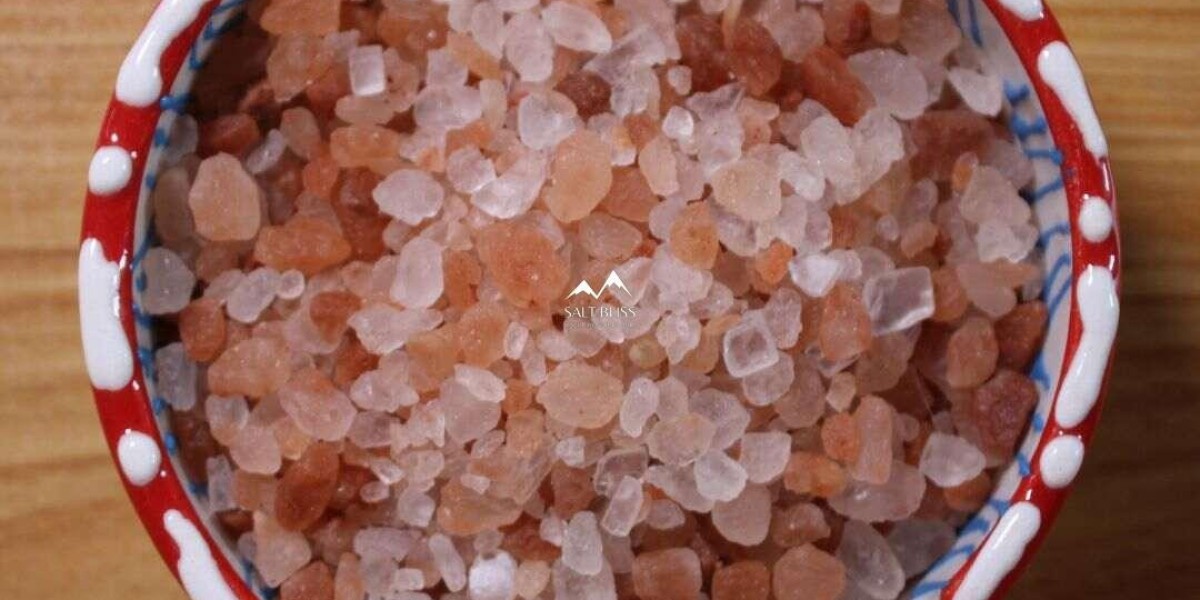

Salt is a daily necessity, but not all salt varieties offer the same benefits. Among the many options available, black salt has gained attention for its distinctive taste, mineral composition, and traditional health uses. Widely used in South Asian cuisine and Ayurveda, black salt is valued not only as a seasoning but also as a natural digestive aid.
This article explains what black salt is, how it is made, its health benefits, and the various ways it can be used in everyday life.
What Is Black Salt?
Black salt, commonly known as Kala Namak, is a mineral-rich rock salt that originates mainly from volcanic regions of South Asia. In its raw form, it appears dark purple or black, while ground black salt usually has a pinkish-gray color.
Its unique sulfur-like aroma and slightly tangy taste come from sulfur compounds created during traditional processing. These compounds are what distinguish black salt from refined table salt and give it its characteristic flavor.
How Black Salt Is Made
Traditional black salt production involves a natural and time-tested process. Raw rock salt is heated with herbs, charcoal, and seeds in a kiln, causing chemical reactions that alter its mineral composition.
The production process includes:
Mining natural rock salt
Heating with plant materials
Formation of sulfur compounds
Cooling and crystallization
Grinding into usable form
This method preserves the salt’s trace minerals and therapeutic properties.
Nutritional Composition of Black Salt
Black salt does not contain calories or macronutrients, but its value lies in its mineral content.
Minerals commonly found in black salt:
Sodium
Potassium
Iron (trace amounts)
Magnesium
Sulfur compounds
Compared to refined white salt, black salt is considered easier on digestion and is often perceived as having slightly lower sodium content, though moderation is still essential.
Health Benefits of Black Salt
Black salt has been used for centuries in traditional medicine systems, especially Ayurveda and Unani medicine.
1. Supports Digestive Health
Black salt stimulates digestive enzymes and bile secretion, helping reduce indigestion and improve nutrient absorption.
2. Relieves Gas and Bloating
It is widely used as a natural remedy for flatulence, bloating, and abdominal discomfort.
3. Helps Reduce Acidity
Black salt may help balance stomach acid, offering relief from heartburn and acid reflux when used appropriately.
4. Promotes Electrolyte Balance
Its mineral composition supports electrolyte levels, especially after sweating or dehydration.
5. May Help with Weight Management
Because of its strong flavor, smaller quantities are often sufficient, potentially reducing overall sodium intake.
Culinary Uses of Black Salt
Black salt is a staple ingredient in many cuisines.
Traditional Cooking
It is commonly used in chaats, curries, chutneys, raitas, and spice blends such as chaat masala.
Fruit and Snack Seasoning
Sprinkled over fruits, roasted nuts, and snacks, black salt adds a tangy and savory twist.
Vegan and Plant-Based Recipes
Its egg-like aroma makes it popular in vegan dishes such as tofu scrambles, vegan egg salad, and plant-based sauces.
Beverages
Black salt is often added to lemon water, buttermilk, and refreshing summer drinks for taste and digestion.
Black Salt in Ayurvedic Practices
In Ayurveda, black salt is considered a “cooling” salt that balances the digestive system.
Common Ayurvedic uses:
Stimulating appetite
Improving digestion
Relieving constipation
Reducing intestinal discomfort
It is often preferred over refined salt in therapeutic diets.
Black Salt vs Other Salt Types
Black Salt vs White Salt
White salt is highly refined and typically iodized, while black salt contains sulfur compounds and trace minerals. Black salt supports digestion, whereas white salt supports iodine intake.
Black Salt vs Himalayan Pink Salt
Pink salt has a milder taste and trace minerals, while black salt has a stronger flavor and specific digestive benefits.
Black Salt vs Sea Salt
Sea salt may contain minerals but lacks the sulfur compounds that give black salt its unique properties.
Using a variety of salts can help balance flavor and nutrition.
Is Black Salt Safe for Daily Use?
Yes, black salt is safe when used in moderation. However, it still contains sodium and should not be consumed excessively.
Tips for safe consumption:
Use small amounts for seasoning
Avoid overuse if you have high blood pressure
Consult a healthcare provider if you have kidney or heart conditions
Balance salt intake with fresh, whole foods
Moderation ensures you enjoy benefits without health risks.
Common Myths About Black Salt
Myth: Black Salt Is Sodium-Free
Truth: Black salt still contains sodium and should be consumed responsibly.
Myth: Black Salt Is Artificial
Truth: Authentic black salt is naturally sourced and traditionally processed.
Myth: Black Salt Can Replace All Salts
Truth: Black salt lacks iodine and should not completely replace iodized salt.
How to Choose Authentic Black Salt
When buying black salt, look for:
Natural rock salt origin
Strong sulfur aroma
Minimal additives
Food-grade certification
High-quality black salt provides better flavor and health benefits.
Storage Tips for Black Salt
Store in a dry, airtight container
Keep away from moisture
Avoid direct sunlight
Use clean, dry spoons
Proper storage preserves aroma and effectiveness.
Final Thoughts
Black salt is a unique and versatile ingredient that offers digestive support, culinary depth, and traditional health benefits. From enhancing everyday meals to supporting gut health, black salt remains a valuable addition to a balanced diet when used wisely and in moderation.