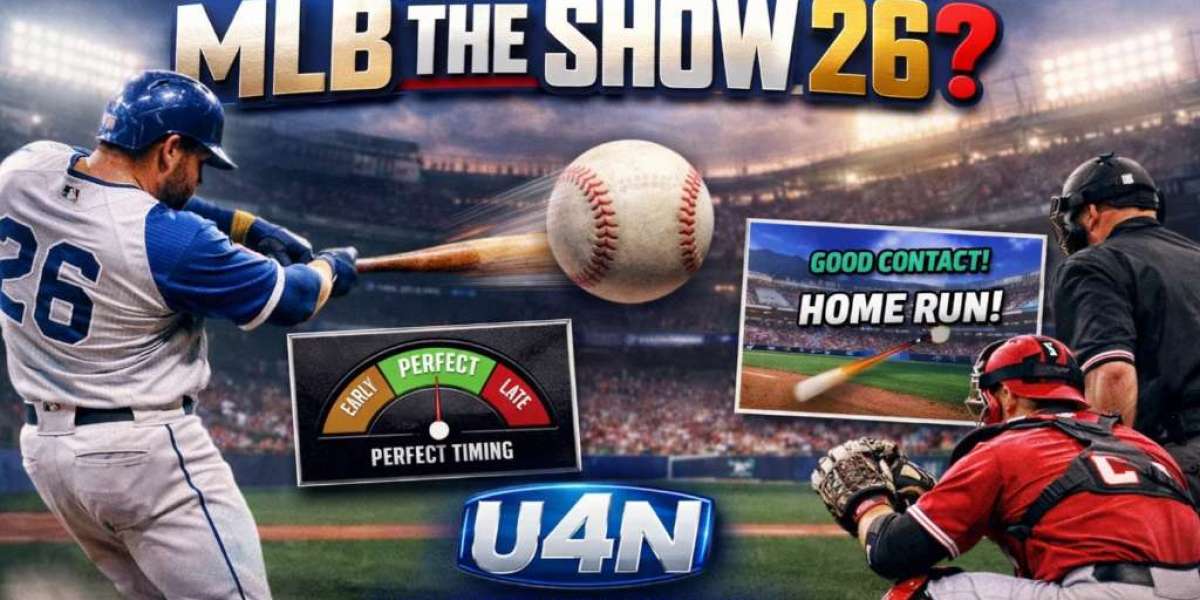

Timing is one of the most important factors in MLB The Show 26, and it can be the difference between hitting a solid line drive and striking out. Whether you’re new to the game or a seasoned player, understanding how timing works will improve your batting, pitching, and overall performance. This article explains why timing is crucial in different aspects of the game and provides practical tips to help you master it.
What Does Timing Mean in MLB The Show 26?
Timing refers to how well you synchronize your player’s actions with the pitch being thrown. It’s not just about when you swing but also how well you read the pitch speed and type. The game simulates real-life baseball, so there’s a skill gap between swinging too early, too late, or perfectly. The better your timing, the more likely you are to make solid contact, which is the key to getting hits and scoring runs.
How Does Timing Affect Hitting?
In MLB The Show 26, timing impacts every aspect of your batting. Whether you're swinging at a fastball, curveball, or slider, getting your timing right determines if you make good contact or miss completely.
Perfect Timing: When you press the swing button at just the right moment, your player will make solid contact with the ball. This results in a more powerful hit, which can either be a line drive, a deep fly ball, or even a home run, depending on the pitch.
Early or Late Timing: If you swing too early or too late, your player will likely make poor contact with the ball. Early swings often lead to weak ground balls or foul balls, while late swings result in weak fly balls or pop-ups. Both of these outcomes are much less likely to result in a hit.
Swinging at Bad Pitches: Even with perfect timing, swinging at a pitch outside your player’s zone (e.g., a low and outside curveball) can lead to weak contact. It's important to combine good timing with good pitch recognition to be successful.
How Can I Improve My Timing on Hits?
There’s no magic button to always get perfect timing, but here are some tips to help you improve:
Watch the Pitcher's Delivery: Every pitcher has a different release point, so learning to recognize it is crucial. Pay attention to how the pitcher winds up and releases the ball. If you can pick up on their delivery early, you can better judge the timing for the pitch.
Practice with Different Pitches: The speed and movement of each pitch type—fastballs, sliders, changeups, etc.—can throw you off if you're not used to them. Practice hitting different pitch types in batting practice mode, and focus on how each one feels to time correctly.
Use Timing and Zone Settings: MLB The Show 26 offers different hitting styles, including Zone and Directional hitting. If you’re struggling with timing, switching to Directional hitting might make it easier to focus on simply getting contact rather than hitting specific zones on the pitch.
Adjust Your Swing for Different Speeds: Timing is especially important when facing pitchers who throw a mix of fastballs and off-speed pitches. When you’re expecting a fastball, your timing window will be much tighter. If you’re expecting an off-speed pitch, you’ll need to start your swing earlier to ensure good contact.
Why Does Timing Matter in Pitching?
Timing is equally important when you're on the mound. Pitching in MLB The Show 26 isn't just about throwing strikes—it’s about keeping your opponent off balance. Your ability to hit your spots with good timing can make a huge difference in getting strikeouts or forcing weak contact.
Perfect Pitching Timing: When you throw a pitch with perfect timing, you have better control over where the ball goes and more movement (for breaking balls). This leads to more effective pitching, whether it’s a sharp curveball or a high-velocity fastball.
Off-Timing and Errors: If you’re too early or late on your pitch, the result can be an inaccurate or slower pitch. A fastball thrown too early might float down the middle of the plate, while a slider thrown too late might not break as sharply. These mistakes often lead to hard hits or walks.
How Can I Improve My Timing on the Mound?
Pitching requires rhythm and practice. Here are a few tips to help you time your pitches better:
Focus on the Meter: MLB The Show 26 uses a pitching meter that requires you to stop the power bar at the right point for each pitch. Timing the meter correctly ensures that your pitch has the best possible speed and movement.
Mix Up Your Pitches: If you throw the same pitch over and over, your opponent will catch on and adjust their timing. Use a variety of pitches (fastballs, changeups, sliders, etc.) to keep your opponent off balance and make it harder for them to time their swings.
Study Pitcher Stats and Attributes: Each pitcher has different attributes that affect pitch speed and movement. Some pitchers have better control, while others may throw faster or with more spin. Understanding these stats will help you time your pitches accordingly.
How Does Timing Impact Fielding?
Timing also plays a role in fielding, although it's less obvious. For example, when you’re controlling an outfielder, good timing on a jump or dive will allow you to make an excellent catch. Similarly, fielding ground balls requires precise timing to ensure you’re in the right spot to make a clean throw.
Fielding can also be influenced by how well you time your button presses. A perfectly timed throw from third base to first base will have more accuracy and speed, while a mistimed throw will be slower and less accurate, leading to errors or missed outs.
Can Timing Affect the Success of Online Play?
In online modes, timing becomes even more crucial because you’re playing against real people who have varying skills. An experienced player will be able to adjust their timing based on your pitching style, while a player who struggles with timing may find themselves constantly outmatched. This is where having perfect timing and pitch recognition can give you a huge advantage.
Some players focus on honing their timing by practicing in the game's batting cages or by using different pitch types in custom games to simulate game situations. In MLB 26, you’ll often see advanced players optimizing their timing and pitch sequencing to throw off the opponent's rhythm and keep them guessing.
How Do MLB 26 Stubs Deals Affect Timing?
Timing isn’t just about gameplay—it also applies to your investment in the game’s economy. For example, if you're aiming to upgrade your team, timing your purchases of stubs can make a huge difference. MLB 26 stubs deal offers special promotions or discounts that allow players to purchase stubs at a lower price. If you buy at the right time, you can maximize your in-game resources and get the best value for your stubs, which can then be spent on packs or player upgrades. This type of strategic timing extends beyond gameplay mechanics and into your overall experience in MLB The Show 26.
In MLB The Show 26, timing isn’t just a casual aspect of gameplay—it’s a fundamental part of how you perform as both a hitter and a pitcher. Understanding how to time your swings and pitches properly, as well as practicing your timing for fielding, can give you a significant edge in games. Whether you’re grinding out a single-player campaign, competing in ranked matches, or improving your team with MLB 26 stubs deals, mastering timing is essential to improving your overall skills and enjoying the game to its fullest.