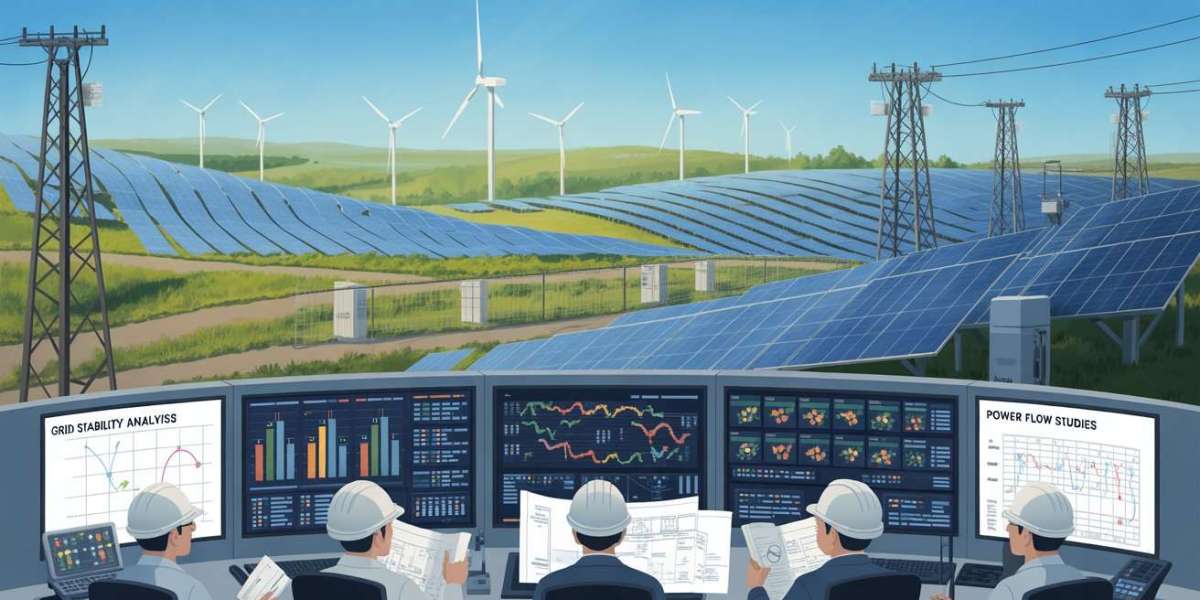

Substations are critical nodes in any electrical network, ensuring reliable power transmission and distribution. A well-planned design not only improves operational efficiency but also minimizes risks associated with faults, equipment failures, and environmental challenges. As modern grids evolve with renewable integration and increasing demand, adopting proven strategies in substation design engineering becomes essential for long-term system performance.
This guide explores practical approaches that balance safety, efficiency, and scalability in modern substations.
Understanding the Importance of Smart Design
An efficient substation begins with a clear understanding of system requirements, including load demand, voltage levels, and future expansion needs. Engineers must consider both present and long-term operational goals while designing infrastructure that can adapt to technological changes.
A thoughtful approach to substation engineering design ensures optimal equipment selection, reduced transmission losses, and improved reliability. It also minimizes downtime and maintenance costs by integrating robust protection systems and smart monitoring solutions.
Site Selection and Environmental Considerations
Selecting the right location is one of the earliest and most important decisions in substation planning. The site should be easily accessible for maintenance while being safe from environmental hazards such as flooding, earthquakes, or extreme weather conditions.
Environmental impact assessments play a key role in ensuring compliance with regulations and minimizing disruption to surrounding ecosystems. Noise levels, electromagnetic fields, and visual impact must also be considered to maintain community acceptance.
Proper drainage systems, grounding conditions, and soil resistivity analysis are equally important to ensure both operational safety and structural stability.
Optimizing the Layout for Efficiency and Safety
The layout of a substation directly affects its functionality, safety, and ease of maintenance. Equipment should be arranged to allow clear access for operation and repair while maintaining safe distances to prevent electrical hazards.
An effective layout of a substation ensures smooth power flow, minimizes interference between components, and enhances fault isolation capabilities. Proper spacing between transformers, switchgear, and busbars reduces the risk of cascading failures and improves overall system resilience.
Additionally, clear pathways for personnel and emergency access routes are essential for maintaining safety standards. The integration of control rooms and monitoring systems should also be strategically planned for efficient operations.
Equipment Selection and Standardization
Choosing the right equipment is crucial for ensuring reliability and longevity. High-quality transformers, circuit breakers, and protection systems should be selected based on system requirements and environmental conditions.
Standardization of components simplifies maintenance and reduces inventory costs. It also allows for easier upgrades and replacements in the future. Engineers should prioritize equipment with proven performance records and compliance with international standards.
Modern substations increasingly incorporate digital technologies such as intelligent electronic devices and automation systems. These advancements enhance monitoring, fault detection, and remote control capabilities, contributing to a more efficient power network.
Safety Measures and Risk Mitigation
Safety is a fundamental aspect of any substation project. Proper grounding systems are essential to protect both equipment and personnel from electrical faults. Surge protection devices should be installed to safeguard against lightning and switching surges.
Fire protection systems, including firewalls and suppression technologies, are necessary to prevent the spread of hazards. Clear signage, protective barriers, and strict adherence to safety protocols further enhance workplace safety.
A well-executed substation design engineering approach integrates these safety features from the initial planning stage, ensuring compliance with industry standards and reducing operational risks.
Planning for Future Expansion and Flexibility
As energy demand grows and grid infrastructure evolves, substations must be designed with scalability in mind. Flexible configurations allow for easy expansion without significant disruption to existing operations.
Engineers should allocate space for additional equipment and consider modular designs that support phased development. This forward-thinking approach ensures that the substation can adapt to future technologies, including renewable energy integration and smart grid systems.
Incorporating flexibility into substation engineering design not only extends the lifespan of the facility but also enhances its ability to meet changing energy requirements.
Leveraging Advanced Technologies
Digital transformation is reshaping the way substations are designed and operated. Automation systems, real-time monitoring, and predictive maintenance tools are becoming standard features in modern installations.
These technologies improve operational efficiency by enabling quick fault detection and reducing manual intervention. Data analytics also provide valuable insights into system performance, helping engineers optimize operations and prevent failures.
The integration of smart solutions into the layout of a substation ensures better coordination between components and enhances overall system reliability.
Conclusion
Efficient and safe substation design is a combination of strategic planning, advanced technology, and strict adherence to safety standards. From site selection to equipment choice and layout optimization, every aspect plays a vital role in ensuring reliable power delivery.
By following best practices in substation design engineering, utilities and engineers can create infrastructure that meets current demands while remaining adaptable to future challenges. A well-designed substation not only enhances performance but also ensures the safety of personnel and the surrounding environment.