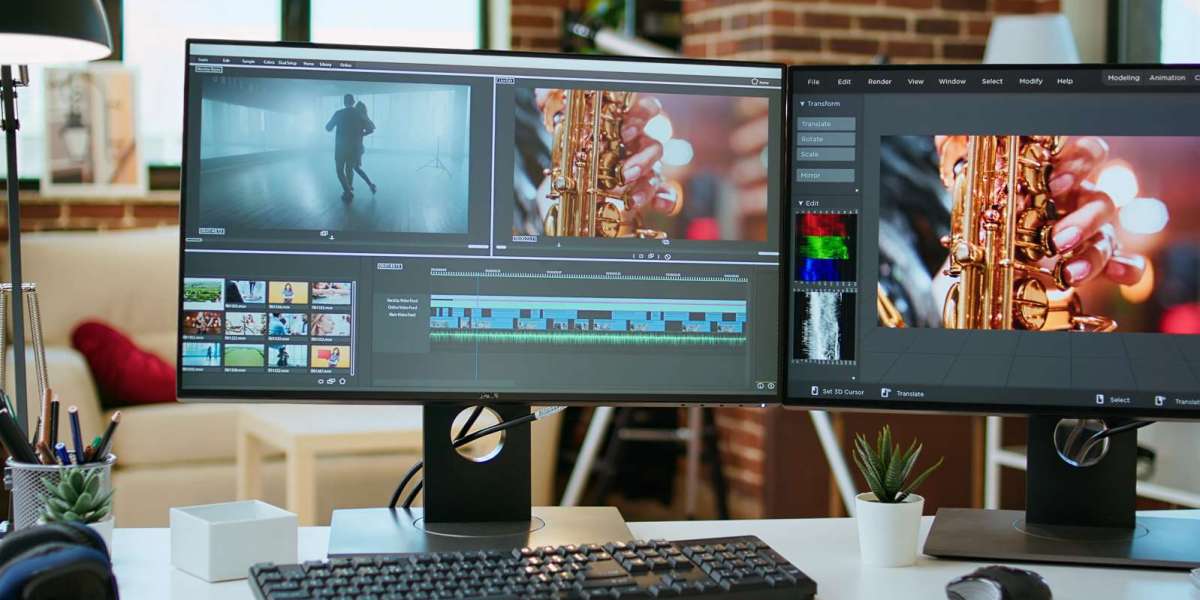

Introduction
Video editing has transformed dramatically over the past decade, evolving from a technical skill used by professionals into a powerful creative tool accessible to everyone. With the rise of social media platforms, digital marketing, and content creation, video editing has become one of the most in-demand skills in today’s job market. From YouTubers and influencers to businesses and filmmakers, everyone relies on high-quality video content to capture attention and communicate effectively.
As technology continues to advance, the future of video editing looks even more exciting and dynamic. Artificial intelligence, automation, and new creative tools are reshaping how videos are produced and edited. For aspiring editors and professionals alike, understanding the upcoming trends, essential skills, and tools is crucial to staying competitive in this fast-changing industry.
The Evolution of Video Editing
Video editing has come a long way from traditional film splicing to modern digital workflows. Earlier, editing required expensive equipment and deep technical knowledge. Today, software has simplified the process, allowing beginners to create professional-quality videos with minimal effort.
The shift from desktop-based editing to cloud-based platforms has made collaboration easier. Editors can now work remotely, share projects instantly, and access files from anywhere. Additionally, the rise of mobile editing apps has made it possible to edit videos directly from smartphones, further democratizing the field.
Looking ahead, the industry will continue to evolve with more automation, smarter tools, and faster workflows, making editing both easier and more creative.
Key Trends Shaping the Future of Video Editing
1. Artificial Intelligence (AI) Integration
AI is revolutionizing video editing by automating repetitive tasks such as cutting clips, adding subtitles, color correction, and even generating content. AI-powered tools can analyze footage and suggest edits, saving time and improving efficiency.
Features like auto-captioning, facial recognition, and smart transitions are becoming standard. In the future, AI may even assist in storytelling by recommending scene sequences based on emotional tone and audience preferences.
2. Rise of Short-Form Content
Platforms like Instagram Reels, YouTube Shorts, and TikTok have increased the demand for short, engaging videos. This trend is pushing editors to focus on fast-paced storytelling, attention-grabbing visuals, and quick transitions.
Editors must adapt to vertical video formats and understand audience behavior to create impactful short-form content that performs well across platforms.
3. Cloud-Based Editing
Cloud editing tools are becoming increasingly popular as they allow multiple users to collaborate on the same project in real time. This is especially useful for teams working remotely or across different locations.
With cloud storage, editors no longer need high-end systems to handle large files. Everything can be accessed and edited online, making workflows more flexible and efficient.
4. Virtual Reality (VR) and 360° Video
The demand for immersive experiences is growing, leading to the rise of VR and 360-degree videos. Editing such content requires specialized skills and tools, as traditional editing techniques do not apply directly.
As industries like gaming, education, and marketing adopt immersive content, video editors who understand VR editing will have a significant advantage.
5. Automation and Smart Workflows
Automation tools are helping editors speed up their work by handling repetitive tasks like syncing audio, organizing clips, and applying presets. This allows editors to focus more on creativity rather than technical processes.
Future editing software will likely include more smart features that learn from user behavior and optimize workflows accordingly.
Build a future in media production with TGC India’s advanced video editing course in Delhi.
Essential Skills for Future Video Editors
To succeed in the future of video editing, mastering software alone is not enough. Editors must develop a combination of technical and creative skills.
1. Storytelling Ability
At its core, video editing is about storytelling. Editors must understand how to structure a narrative, maintain pacing, and evoke emotions through visuals and sound.
Strong storytelling skills can turn simple footage into a compelling and engaging video that connects with the audience.
2. Creativity and Visual Sense
Creativity plays a crucial role in video editing. Editors must have a good eye for composition, color, and visual flow. Understanding design principles helps in creating visually appealing content.
Experimenting with styles, transitions, and effects can help editors stand out in a competitive market.
3. Understanding of Social Media Trends
Since most video content is consumed online, editors need to stay updated with current trends. Knowing what type of content performs well on different platforms is essential for creating engaging videos.
This includes understanding algorithms, audience preferences, and platform-specific formats.
4. Technical Proficiency
Editors must be comfortable using editing software and tools. This includes understanding timelines, layers, color grading, audio editing, and exporting formats.
Keeping up with new features and updates in software is also important for maintaining efficiency.
5. Adaptability and Continuous Learning
The video editing industry is constantly evolving. Editors must be willing to learn new tools, techniques, and technologies to stay relevant.
Being adaptable ensures long-term success in a rapidly changing digital landscape.
If you’re in Jaipur and passionate about editing, TGC Jaipur offers the best video editing training.
Top Tools to Learn for Video Editing
1. Professional Editing Software
Learning industry-standard software is essential for building a successful career in video editing. These tools offer advanced features for editing, color grading, and visual effects.
Popular options include tools that provide timeline editing, motion graphics, and multi-layer support, making them ideal for both beginners and professionals.
2. Mobile Editing Apps
With the rise of mobile content creation, mobile editing apps are becoming increasingly important. These apps allow creators to edit videos quickly and efficiently on their smartphones.
They are especially useful for social media content and quick edits.
3. Motion Graphics and Animation Tools
Motion graphics are becoming a key part of video content. Learning animation tools can help editors create engaging intros, transitions, and visual effects.
These skills are highly valued in marketing, advertising, and content creation industries.
4. AI-Powered Editing Tools
AI tools are simplifying video editing by automating complex tasks. Learning how to use these tools can significantly improve productivity and efficiency.
They are particularly useful for beginners who want to create professional-quality videos quickly.
5. Audio Editing Software
Good audio quality is essential for a professional video. Editors must learn audio editing tools to enhance sound, remove noise, and balance audio levels.
Clear and high-quality audio improves the overall viewer experience.
Career Opportunities in Video Editing
The demand for video editors is growing across various industries. Some of the popular career options include:
- Content Creator or YouTuber
- Social Media Video Editor
- Film and Television Editor
- Freelance Video Editor
- Digital Marketing Specialist
- Motion Graphics Designer
With the increasing importance of video content, skilled editors can find opportunities in startups, agencies, production houses, and even as independent freelancers.
For aspiring video editors in Dehradun, TGC Dehradun offers industry-ready training.
Challenges in the Future of Video Editing
While the future looks promising, there are also challenges that editors may face. Increased competition means editors must continuously improve their skills to stand out.
The rapid pace of technological change can also be overwhelming, requiring constant learning and adaptation. Additionally, maintaining creativity while working under tight deadlines can be challenging.
However, those who stay updated and keep improving will be able to overcome these challenges.
Start learning with the best institute: TGC India
Conclusion
The future of video editing is full of opportunities for those who are willing to adapt and grow. With advancements in AI, cloud technology, and immersive content, video editing is becoming more powerful and accessible than ever before.
To succeed in this evolving field, editors must focus on developing both technical skills and creative abilities. Learning modern tools, staying updated with trends, and continuously improving storytelling skills are key to building a successful career.
As video content continues to dominate the digital world, video editing will remain a valuable and rewarding skill. Whether you are a beginner or an experienced editor, now is the perfect time to invest in learning and mastering video editing for the future.
https://camlive.ovh/read-blog/16375
https://www.danishwomenorg.com/read-blog/42019
https://studio.ganjingworld.com/article/1id90vke6u73mxVP3Wl3IwRln1hq1c