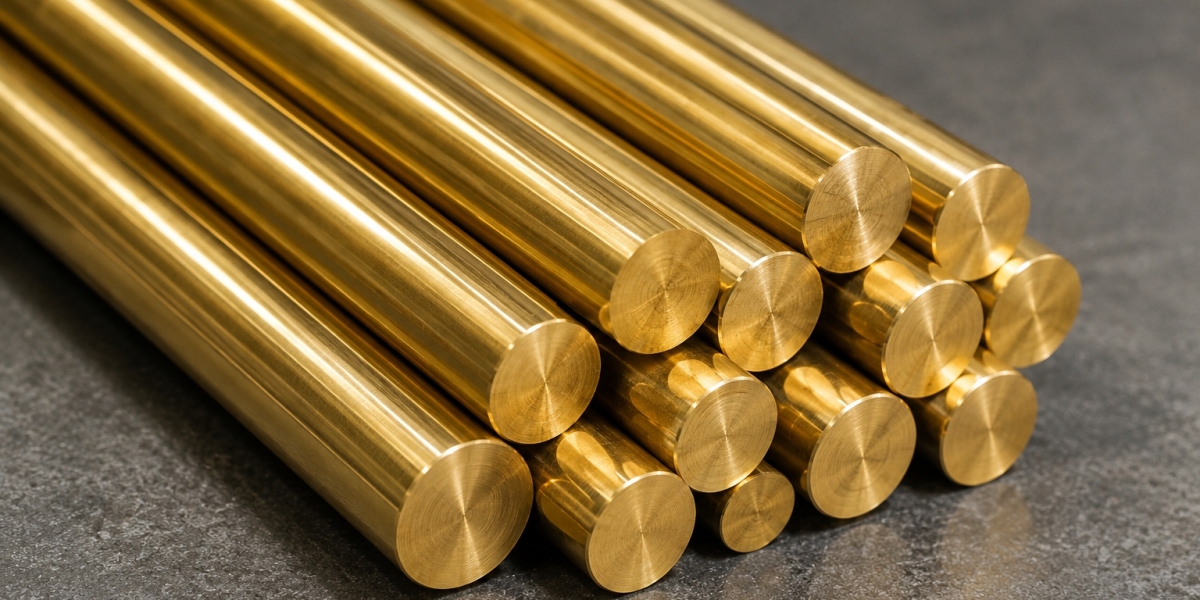

Brass extrusion rods are widely used in manufacturing because they offer a practical combination of strength, machinability, corrosion resistance, and reliable dimensional performance. Their versatility makes them suitable for producing components that need both functional performance and a clean, consistent finish. From electrical fittings to plumbing components, these rods support a wide range of industrial and engineering applications.
A Brass Extrusion Rod is produced by forcing heated brass through a shaped die to create a continuous profile with consistent dimensions. This manufacturing method helps achieve the required shape and material properties for further machining and fabrication. Because brass is relatively easy to machine, extrusion rods can be efficiently converted into precision components used in different industries.
Electrical and Electronics Components
The electrical and electronics industries rely on brass for components that require good electrical conductivity, mechanical strength, and resistance to corrosion. Brass extrusion rods are commonly machined into terminals, connectors, contact parts, pins, sockets, and other electrical fittings.
Brass also provides dependable performance in applications where components need to maintain dimensional stability during regular use. Its machinability allows manufacturers to produce detailed shapes and accurate threads, making it suitable for both simple and complex electrical parts.
Plumbing and Sanitary Applications
Plumbing systems require materials that can withstand moisture, pressure, and frequent exposure to water. Brass is often selected for valves, fittings, adapters, connectors, and other plumbing components because of its corrosion resistance and durability.
Extruded brass rods can be machined into different plumbing shapes and sizes according to application requirements. Their consistent structure supports accurate threading and fitting, which is important when components need secure connections. Brass also provides a smooth and attractive surface, making it suitable for visible sanitary fittings and fixtures.
Automotive Components
The automotive sector uses brass components in applications where precision, durability, and resistance to environmental conditions are important. Machined brass parts can be found in connectors, terminals, bushings, fittings, sensors, and various small mechanical components.
The material's excellent machinability is particularly useful for producing large quantities of small, accurately shaped parts. Brass can also withstand regular handling and operating conditions, making it a practical material for components that need dependable performance over time.
Industrial Machinery and Engineering
Industrial machinery contains numerous small components that must perform reliably under demanding working conditions. Brass extrusion rods can be machined into gears, bushes, spacers, sleeves, pins, fasteners, and other precision engineering parts.
Brass offers a useful balance between hardness and machinability. This allows manufacturers to create components with accurate dimensions without making machining unnecessarily difficult. Its resistance to corrosion can also be beneficial in machinery exposed to humidity or other challenging environments.
Hardware and Fasteners
Brass is commonly used for manufacturing hardware products such as screws, nuts, bolts, washers, threaded parts, and decorative fittings. These components can benefit from brass's corrosion resistance and attractive appearance.
For applications where repeated assembly and disassembly are required, brass can provide dependable thread performance. Its relatively soft nature compared with harder metals can also help reduce the risk of damaging mating components in certain applications.
Telecommunications and Connection Systems
Telecommunication equipment requires small components that offer reliable conductivity and precise dimensions. Brass rods are suitable for producing terminals, connectors, contact components, and other parts used in connection systems.
Their ability to be machined into intricate profiles makes them useful for producing components with tight dimensional requirements. Brass can also provide a stable surface for plating or finishing processes when additional performance or appearance is required.
Decorative and Architectural Products
Beyond industrial applications, brass is valued for its warm appearance and attractive finish. Extruded rods can be machined or processed into handles, knobs, fittings, rails, supports, and decorative hardware used in architectural and interior applications.
The combination of appearance and durability makes brass suitable for products where both visual quality and everyday functionality matter. Depending on the required finish, brass components can be polished, brushed, plated, or otherwise treated to achieve a particular appearance.
Why Brass Extrusion Rods Remain Versatile
The broad use of brass extrusion rods comes from their combination of useful material characteristics and manufacturing flexibility. They can be cut, turned, drilled, threaded, and machined into many different component designs. Their corrosion resistance, strength, conductivity, and attractive appearance further increase their suitability across industries.
From electrical connectors and plumbing fittings to automotive parts, machinery components, and decorative hardware, brass extrusion rods continue to serve as a dependable starting material for precision manufacturing. Their adaptability allows manufacturers to meet different component requirements while maintaining consistent quality and performance.