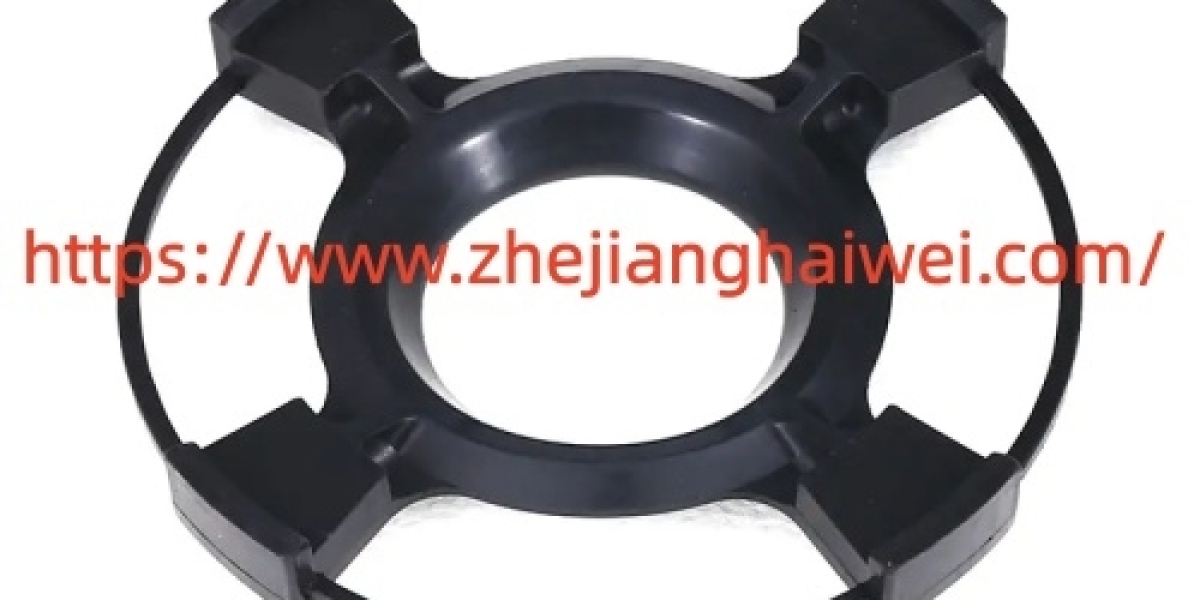

Special Shape Seal Rings can be suitable for complex equipment when standard circular profiles do not match the geometry, groove path, or available installation space. In specialized machinery, the sealing component has to work together with the surrounding hardware, operating medium, temperature, pressure, and movement. Custom geometry can help address unusual groove paths and retention challenges, while material selection needs to reflect the actual service environment.
One reason custom geometry can be useful is the shape of the groove itself. Some equipment uses curved paths, corners, narrow sections, or irregular cavities that are difficult to accommodate with a conventional circular profile. A shaped component can be developed around the available groove geometry, helping the part sit in the intended location during assembly. Industry examples show that customized profiles can address retention issues when conventional round rings do not follow a non circular groove effectively.
Cross section design also deserves careful consideration. The cross section affects how the component occupies the cavity and how compression is distributed between mating surfaces. Groove width, depth, corner radius, compression, and dimensional tolerance should be reviewed together rather than independently. Recent sealing design guidance emphasizes that groove dimensions, compression, surface finish, and tolerance control can all influence sealing behavior.
Material selection is another important part of the process. Different elastomers have different responses to temperature, fluids, chemicals, compression, and mechanical movement. NBR, FKM, EPDM, silicone, and other compounds may be considered depending on the application. The correct choice should come from the actual operating medium and environmental requirements rather than simply selecting a material based on appearance or common use.
The equipment itself should also be examined before production begins. Buyers can provide information about temperature range, pressure, fluid type, movement, shaft or mating surface condition, installation method, and expected service cycle. These details help manufacturers determine whether the proposed geometry and material are appropriate for the application.
Installation is another reason shape matters. A component that is difficult to position may create unnecessary assembly problems. Retention features or a profile designed around the groove can help keep the component correctly positioned before the mating parts are assembled. Custom retention designs are used in applications where conventional profiles can move out of position during assembly.
A Rectangular Seal Ring can be considered when the hardware uses a corresponding cavity or face configuration. Non round profiles can provide an alternative when a traditional circular ring does not suit the available space. The choice should still be based on groove geometry, compression requirements, material compatibility, and installation conditions rather than shape alone.
Surface quality should not be overlooked. The mating surfaces need suitable dimensions and finish for the intended sealing arrangement. Scratches, excessive roughness, sharp edges, or dimensional variation may affect contact between the component and hardware. This makes inspection of the surrounding equipment an important part of the development process.
Complex machinery may also require different designs for static and dynamic applications. A stationary joint has different movement conditions from a component exposed to reciprocating or rotating motion. Friction, wear, alignment, lubrication, and movement speed therefore need to be considered when selecting the profile and material. Engineering references also distinguish between sealing requirements for static and dynamic applications.
For manufacturers, drawings and samples are valuable during development. A detailed drawing can show the groove path, dimensions, corner locations, compression area, and installation space. A physical sample can provide additional information when an existing component needs to be reproduced or modified. Zhejianghaiwei can work with customer specifications to evaluate suitable sealing configurations according to equipment requirements.
The development process becomes easier when the buyer provides complete technical information at the beginning. Useful details include drawings, dimensions, material requirements, fluid type, temperature range, pressure, movement conditions, surface information, and installation method. This gives the manufacturer a clearer understanding of the application and reduces the need to make assumptions.
Complex equipment does not always require a complicated purchasing process. The key is to connect the component geometry with the hardware and working environment. When the groove, material, compression, dimensions, and operating conditions are considered together, manufacturers can develop a configuration that fits the intended application more closely. Customers can review Zhejianghaiwei product information and related industrial sealing options at https://www.zhejianghaiwei.com/product/ when preparing specifications for a custom project.