
A chemical manufacturing accident releases toxic airborne contaminants into the surrounding area, forcing nearby emergency response teams to activate a protected underground shelter. As the shelter switches to emergency ventilation mode, a gas tight valve immediately seals the incoming air ducts, preventing hazardous gases from entering the occupied space. In CBRN protection systems, this rapid isolation can make the difference between a safe shelter and a compromised facility. That is why gas-tight valves are considered one of the most critical components in modern protective ventilation systems.
What are Gas-Tight Valves?
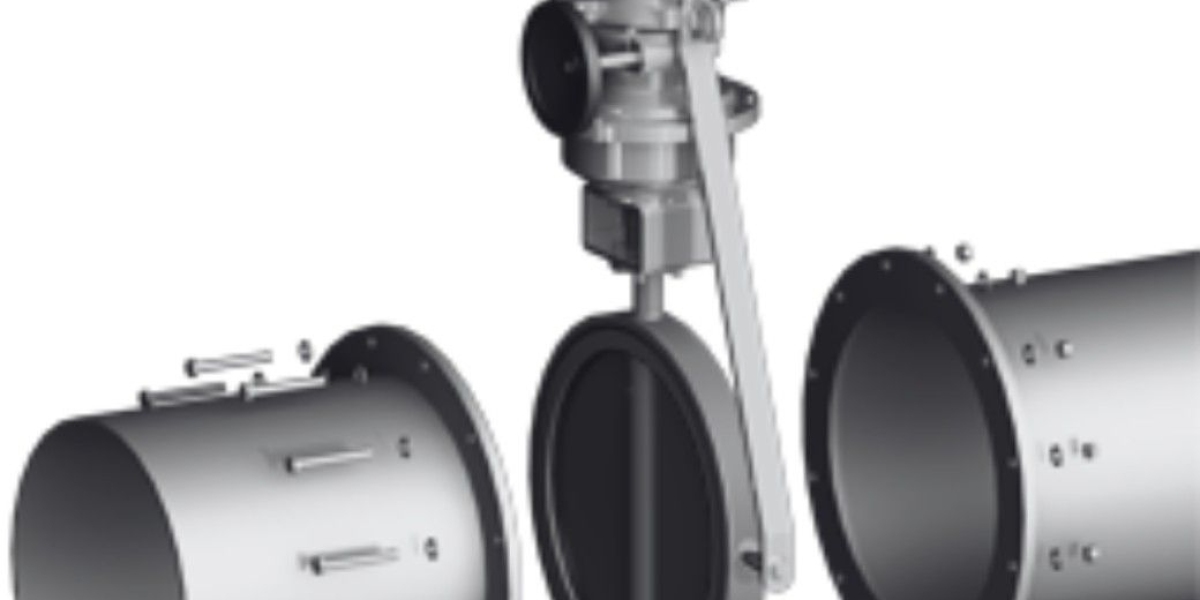
A gas-tight valve is a specialised isolation device designed to stop airflow within ventilation systems while maintaining an exceptionally low leakage rate. Unlike standard dampers that regulate airflow for comfort or energy efficiency, gas-tight valves are engineered to provide an airtight seal during hazardous situations.
Their primary role is to isolate contaminated air and preserve clean environments inside protected facilities. Whether installed in military shelters, industrial plants, or research laboratories, a gas tight valve supports contamination control by preventing harmful gases from spreading through ventilation ducts.
How Gas-Tight Valves Work
During everyday operation, the valve remains open to allow fresh air to circulate through the ventilation network.
When chemical, biological, radiological, or toxic contaminants are detected, the valve closes using a manual handle, electric actuator, pneumatic actuator, or spring-return mechanism. As the valve reaches the closed position, precision-machined sealing surfaces compress tightly together, creating an airtight barrier with extremely low leakage.
The valve remains sealed until authorised personnel reopen it after confirming that external conditions are safe. This dependable operation ensures that protected shelters continue receiving clean air from filtration systems without allowing contaminated air to enter.
Key Features of Gas-Tight Valves
The effectiveness of a gas-tight valve depends on its engineering quality and operational reliability.
Excellent sealing efficiency is the most critical feature. Precision sealing technology minimises leakage, helping maintain contamination-free environments during emergencies.
Pressure resistance enables reliable operation in positive-pressure ventilation systems commonly used in protected shelters and defence infrastructure.
Corrosion-resistant materials, including stainless steel construction and specialised protective coatings, ensure long service life in chemically aggressive or humid environments.
Reliable manual, electric, pneumatic, and spring-return actuation provides dependable emergency operation under different facility requirements.
High mechanical durability allows the valve to perform consistently through repeated operating cycles without compromising sealing performance.
Compatibility with filtration units and overpressure systems also makes Gas tight valve HVAC installations highly effective in secure buildings where clean air management is essential.
Where Gas-Tight Valves are Used
Gas-tight valves are installed wherever contamination control and airtight isolation are critical.
A Gas tight valve CBRN shelter forms an essential part of protected ventilation systems, preventing hazardous airborne contaminants from entering occupied shelters during chemical, biological, radiological, or nuclear emergencies.
Similarly, a Gas tight valve for bunker protects military bunkers, underground command centres, and civil defence facilities by isolating contaminated airflow while supporting positive-pressure ventilation.
Modern Gas tight valve HVAC systems are also widely used in hospitals, laboratories, and secure government buildings that require controlled ventilation during hazardous events.
Industrial facilities, including chemical processing plants, pharmaceutical manufacturing units, oil refineries, and hazardous material storage sites, depend on these valves to contain dangerous airborne substances.
They are equally important in nuclear facilities, research laboratories, emergency response centres, and other high-security installations where environmental protection is mission-critical.
Factors Affecting Gas Tight Valve Price in India
Several engineering factors influence Gas tight valve price, making quality and performance more important than initial purchase cost.
Material quality has a significant impact. Stainless steel bodies, corrosion-resistant finishes, and premium sealing materials improve reliability while increasing manufacturing costs.
The selected actuation system also affects pricing. Manual valves generally cost less than electric or pneumatic models, while automated systems offer faster emergency response and remote operation.
Precision sealing technology, leakage-rate certification, and advanced manufacturing processes contribute to higher product quality and long-term performance.
Custom engineering for specific duct sizes, airflow capacities, and pressure classes further influences project costs.
Compliance with recognised testing standards and installation complexity also affect overall pricing. Investing in a high-quality valve typically reduces maintenance requirements and improves operational reliability throughout its service life.
How to Choose Gas-Tight Valve Manufacturers in India
Selecting the right Gas tight valve manufacturer requires evaluating technical expertise rather than comparing prices alone.
Look for manufacturers with proven experience in CBRN protection systems, defence infrastructure, industrial ventilation, and critical facility engineering.
Strong engineering capability ensures proper integration with filtration units, overpressure systems, and automated ventilation controls.
Manufacturers should provide documented leakage-rate testing, pressure validation, and comprehensive quality assurance procedures that verify real-world performance.
Compliance with recognised standards demonstrates consistent manufacturing quality and dependable operation.
Customisation capability is essential because every shelter and industrial facility has unique airflow, pressure, and installation requirements.
Finally, evaluate after-sales technical support, including installation assistance, commissioning, maintenance guidance, spare parts availability, and technical consultation. Solutions such as Sigma Power Tech Gas tight valve systems are frequently chosen for projects requiring specialised engineering and dependable long-term support.
Common Mistakes to Avoid
Selecting equipment based solely on Gas tight valve price instead of verified sealing performance is one of the most common procurement mistakes.
Buyers also frequently overlook compatibility with existing HVAC systems and filtration equipment, resulting in reduced system efficiency.
Ignoring actuator reliability during power failures can compromise emergency response when immediate isolation is essential.
Using conventional dampers instead of certified gas-tight valves in high-risk environments significantly increases contamination risks.
Finally, neglecting routine maintenance and periodic leakage testing may gradually reduce sealing performance and affect emergency readiness.
Conclusion
A gas-tight valve is one of the most important protective components within a CBRN shelter ventilation system. Its ability to create dependable airtight isolation helps safeguard occupants from hazardous airborne contaminants while supporting advanced filtration and overpressure systems. By selecting an experienced manufacturer with proven engineering capability, validated testing, customisation expertise, and reliable after-sales support, organisations can strengthen contamination control and improve long-term operational resilience. Investing in high-quality gas-tight valves is a critical step towards protecting lives, securing essential infrastructure, and ensuring reliable performance across defence, industrial, and emergency preparedness applications.