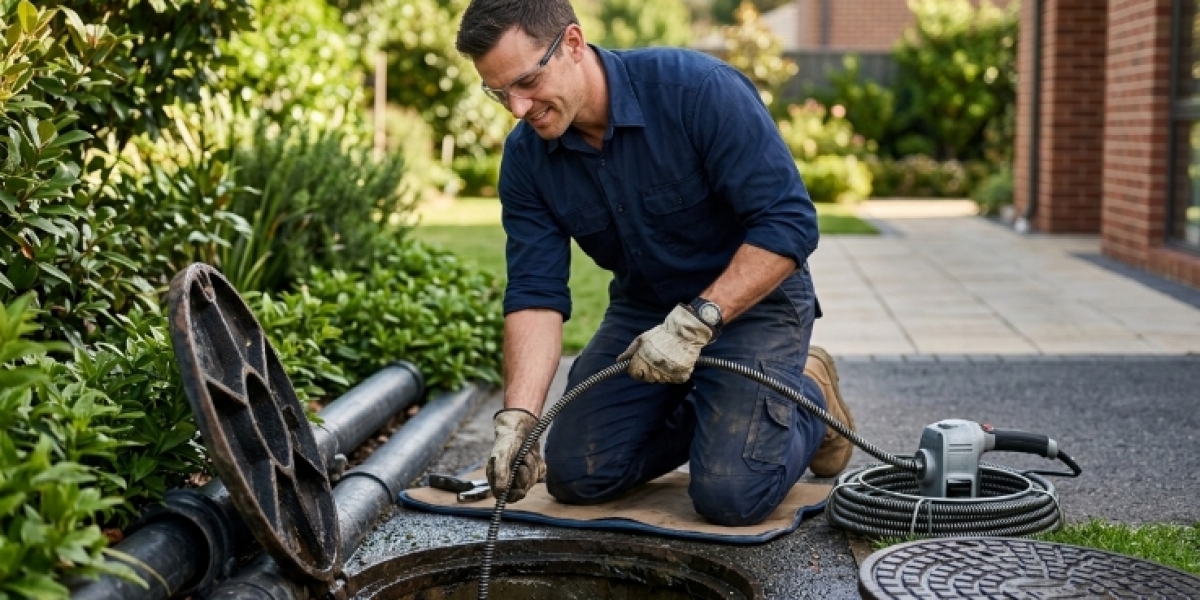

Drainage problems rarely begin with dramatic flooding. More often, they start with a slow drain, a small wet patch, occasional standing water, or water that takes longer than usual to disappear. These signs can seem easy to ignore, especially when the property still looks normal.
The problem is that drainage systems often fail gradually. A partial blockage can reduce water flow, soil can shift around buried pipes, and small leaks can keep nearby materials damp for weeks. Without proper attention, a minor drainage issue can spread into walls, floors, foundations, landscaping, and other parts of the property.
Why Minor Drainage Issues Can Become Expensive Problems
A drainage system is designed to move water away from areas where it can cause damage. When that movement becomes restricted, water starts looking for another path. It may collect around the foundation, back up through drains, seep into soil, or remain trapped beneath surfaces.
The first damage may be difficult to notice. A little moisture near a wall can eventually affect paint, drywall, insulation, flooring, or wood. Outdoors, repeated water buildup can soften soil and change the way water flows around the property. What looks like a small drainage issue can therefore create several connected problems.
Early problems are also easier to control because the affected area is usually smaller. Once moisture spreads or a blockage worsens, repairs often require more labor, more materials, and sometimes excavation or structural work.
How a Partial Blockage Creates Bigger Drainage Failures
A drain does not need to be completely blocked to cause trouble. Even a partial restriction can reduce flow enough to make water move slowly during heavy use or storms. Grease, sediment, roots, debris, and other buildup can gradually narrow the passage.
At first, you may only notice slower drainage. Over time, the restricted section can collect more material because water no longer moves freely through the system. This creates a cycle where reduced flow leads to more buildup, and more buildup creates even poorer drainage.
Heavy rainfall can expose the problem much faster. A system that handles normal water levels may struggle when large amounts of water arrive within a short period. That is when backups, surface pooling, and overflow often become visible.
Why Small Blockages Often Go Unnoticed
Intermittent drainage problems are especially easy to dismiss. Water may drain normally one day and move slowly the next. A property owner may assume the issue has corrected itself when the real problem is simply not severe enough to show all the time.
This is common with developing blockages and drainage lines that are already under strain. Waiting for a complete backup can allow the underlying issue to become much harder to resolve.
How Standing Water Damages Soil, Landscaping, and Outdoor Areas
Water that remains in the wrong place can change the condition of the surrounding soil. Repeated saturation makes some soils softer and less stable, while flowing water can also wash away fine soil and leave uneven areas.
You may notice muddy patches, sinking sections, damaged grass, exposed roots, or soil collecting near hard surfaces. Over time, water may start following a different route across the property because the ground itself has changed.
This can create a new drainage path toward a driveway, walkway, basement, or foundation. Instead of dealing with one small issue, the property may begin experiencing water movement in several areas.
Why Puddles Should Not Be Treated as a Surface-Only Problem
A puddle is not always just a landscaping issue. If the same area remains wet after drainage should have occurred, there may be a problem below the surface.
Blocked outlets, poor grading, damaged underground lines, or saturated soil can all contribute to recurring water collection. Repeated puddling deserves attention because the visible water may only be the final part of a deeper drainage problem.
How Excess Moisture Reaches Walls, Floors, and Foundations
When water cannot move away properly, it may remain in contact with building materials for longer periods. That constant moisture can create conditions where materials begin to weaken or deteriorate.
Wood may swell or decay, drywall can become damaged, and flooring materials may loosen or warp. Moist areas can also create conditions that support mold growth when moisture remains present.
Foundations are another concern. Water repeatedly collecting beside a foundation can increase pressure against the structure and may contribute to cracks, seepage, or moisture entering lower-level spaces.
Why Foundation Damage Can Develop Slowly
Foundation-related drainage damage is not always obvious at first. A property may experience moisture only during storms, with small signs appearing between major events.
Over time, recurring water exposure can make those signs more noticeable. Damp basement areas, recurring wall staining, musty odors, peeling finishes, or water appearing near foundation walls should not be treated as isolated cosmetic problems.
The longer water remains around the structure, the more opportunities it has to enter through weak points, joints, cracks, or porous materials.
Why Delayed Repairs Often Increase the Total Damage
Ignoring a minor drainage issue does not stop the water problem. It often gives the problem more time to spread. A small blockage may become a major obstruction, while a minor leak can keep nearby materials damp for much longer than they were designed to tolerate.
Delays can also make the source harder to identify. Once several areas are affected, it becomes more difficult to tell where the original failure began.
This is one reason drainage system maintenance in Lowell, MA can be important even when there is no active flooding. Routine attention can help identify developing restrictions, damaged components, and poor drainage conditions before they create a much larger property issue.
The Warning Signs Property Owners Should Act On Early
Many serious drainage problems give warning signs before they cause major damage. Changes in drainage speed, repeated puddles, unusual odors, water stains, soft ground, or recurring moisture around lower walls can all point to a developing issue.
Pay attention when a problem keeps returning after temporary fixes. For example, clearing visible debris may improve drainage briefly, but repeated blockage can suggest a deeper restriction or damaged section of the system.
Signs That Deserve Prompt Attention
Persistent standing water is one of the clearest signs that water is not leaving an area as it should. Slow drains, repeated backups, wet foundation areas, soil erosion, and new damp patches can also indicate that the drainage system is struggling.
Cracks that repeatedly appear near wet areas should receive attention as well. The important point is not to wait for the most severe symptom. Recurring small signs are often more useful because they appear before extensive damage develops.
How Regular Maintenance Helps Prevent the Damage Cycle
Regular drainage maintenance is not simply about keeping pipes clear. It involves watching how water moves, identifying changes in drainage behavior, checking vulnerable areas, and addressing small defects before they spread.
Maintenance can help reveal problems such as buildup, damaged drainage components, blocked outlets, root intrusion, or areas where water repeatedly collects. Outdoor drainage should also be considered because surface water and underground drainage often affect each other.
Keeping drainage pathways clear is especially important before periods of heavy rain. A system that already has a restriction may have little capacity left when water volume suddenly increases.
Small Repairs Are Usually Easier Than Repeated Water Damage
Fixing a developing drainage problem early can be far simpler than repairing the property damage that follows. Clearing a restriction, correcting a drainage path, or repairing a damaged line may prevent moisture from reaching walls, floors, or structural areas.
Once water has caused secondary damage, the work may involve drying, material replacement, mold treatment, excavation, or structural repairs. That is why the cost of ignoring a drainage problem can quickly exceed the cost of addressing it early.
Preventing Drainage Problems From Spreading Across the Property
The best approach is to look at drainage as a connected system rather than a single drain or pipe. Water entering the property, moving through drainage lines, collecting around the building, and leaving the site all affect each other.
A blocked line can affect surface drainage. Poor grading can overload a drain. Saturated soil can change underground water movement. When one part of the system struggles, another area may begin showing symptoms.
Watching for repeated changes is one of the simplest ways to catch these problems early. A drainage issue that appears only during certain weather conditions should still be taken seriously because those conditions may be revealing a weakness that exists year-round.
Conclusion
Small drainage problems become major property problems when water is allowed to stay where it does not belong. A slow drain, recurring puddle, damp wall, or minor backup may seem manageable, but repeated moisture can gradually affect soil, building materials, foundations, and surrounding areas.
Regular inspections and timely repairs help stop that progression before the damage spreads. Understanding how water moves through and around a property also makes it easier to recognize early warning signs and respond before a minor drainage issue becomes a much larger repair.
One important factor is hydrostatic pressure, which helps explain why accumulated water can place ongoing pressure against walls and foundation surfaces. Recognizing the role of water pressure makes it easier to understand why early drainage problems should not be ignored.