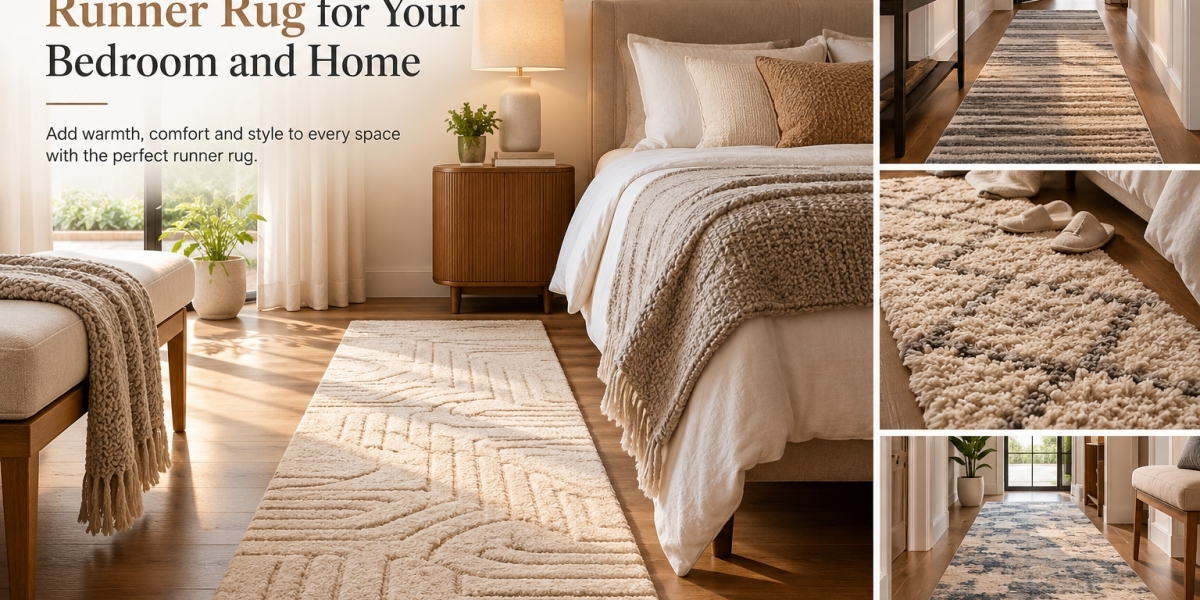

A well-chosen rug can completely change the way a room feels. It can add warmth to a hard floor, define different areas within a space, introduce texture, and make an otherwise simple interior feel more finished. Among the many rug styles available today, runner rugs are particularly versatile because of their long, narrow shape.
Although runners are traditionally associated with hallways and corridors, they can work beautifully in bedrooms, beside beds, in dressing areas, and even in other narrow spaces around the home. The key is choosing the right size, texture, colour, and construction for the space.
Why Runner Rugs Work So Well
Runner rugs are designed to fit areas where a traditional rectangular or square rug may feel too large. Their elongated shape makes them particularly useful for creating visual continuity in narrow spaces.
In a bedroom, for example, a runner can be placed alongside the bed to provide a soft surface underfoot without covering the entire floor. In a hallway, it can visually connect one room with another while adding comfort and personality.
The versatility of runners also means they can complement a wide range of interior styles. Whether the room has a minimalist aesthetic, a traditional character, or a more contemporary look, the right runner can become a subtle but effective part of the overall design.
Runner Rugs in the Bedroom
The bedroom is one of the most comfortable places to experiment with a runner rug. Since the area around the bed is frequently used, adding a rug can make the space feel warmer and more inviting.
When selecting runner rugs for bedrooms, consider both the layout and the amount of floor space available.
A runner can be positioned:
Along one or both sides of the bed
At the foot of a bed
Between a bed and wardrobe
Alongside a dressing area
In a longer bedroom walkway
For smaller bedrooms, a runner can provide the visual warmth of a larger rug without making the floor appear crowded. In larger rooms, matching runners on either side of the bed can create a balanced and symmetrical appearance.
The colour of the rug is also important. Neutral shades can blend easily with existing furniture, while deeper tones or subtle patterns can create a stronger focal point.
Consider the Rug's Construction
Not all runner rugs feel or look the same. The way a rug is made influences its texture, appearance, durability, and overall character.
Hand-tufted rugs, for instance, can offer detailed patterns and a comfortable surface that works well in bedrooms and living spaces. Tufted runner rugs can be particularly useful when you want to combine decorative appeal with a soft, inviting texture.
The construction should always be considered alongside the location where the rug will be used. A bedroom runner may prioritise softness and comfort, while a hallway runner may need to accommodate more regular foot traffic.
Understanding how the rug will be used before choosing a design can help you find an option that suits both the room and your lifestyle.
Shaggy Runners for Added Comfort
Texture can have a major effect on the atmosphere of a room. A flat or low-pile rug creates a clean and understated appearance, whereas a thicker textured rug can make a space feel more relaxed and comfortable.
For bedrooms and cosy areas, shaggy runner rugs can add another layer of softness. Their deeper texture can make a room feel more comfortable, especially when placed beside a bed or in an area where people walk barefoot.
Shaggy rugs can also work well in contemporary interiors because their texture adds visual interest without necessarily requiring bold colours or complicated patterns.
However, deeper-pile rugs may require more attention when it comes to cleaning and maintenance. It is therefore worth considering how much use the rug will receive before making a decision.
Think About the Size Before Choosing a Design
One of the most common mistakes when buying a rug is choosing the design before considering the dimensions.
A beautiful rug may still look out of place if it is too short, too narrow, or too large for its surroundings.
Before purchasing a runner, measure the area where you intend to place it. Leave enough visible flooring around the rug so that the space does not feel visually compressed.
For a bedroom, measure the walking area beside the bed rather than simply choosing a runner based on the size of the bed itself. For hallways, consider door openings and furniture placement to make sure the rug does not interfere with movement.
A properly proportioned rug generally looks more intentional and integrated into the room.
Use Colour to Connect the Interior
A rug does not have to exactly match the furniture or curtains in a room. In fact, matching everything too closely can sometimes make an interior feel predictable.
Instead, look for colours that connect different elements within the room.
For example, a bedroom with neutral furniture might work well with a rug containing subtle beige, grey, cream, or earthy tones. Alternatively, a relatively simple room can benefit from a runner with a stronger colour or pattern that introduces visual interest.
If the walls, furniture, and accessories already contain several colours, a more understated runner may help maintain balance.
The goal is not necessarily to make the rug stand out. Sometimes the best rug is the one that quietly brings the other elements of the room together.
Texture Can Change the Mood of a Room
Colour is only one part of rug selection. Texture can be equally important.
A smooth, low-pile runner can create a refined and minimal appearance. A more textured rug can make the same room feel warmer and more relaxed.
This becomes especially noticeable in bedrooms. Since bedrooms are associated with comfort and relaxation, a rug with a pleasant underfoot texture can contribute to the overall atmosphere.
When choosing between different rug textures, think about how the space is actually used. A decorative runner placed in a low-traffic area can be selected primarily for its appearance, while a frequently used walkway may require a more practical construction.
Runner Rugs Aren't Only for Hallways
The traditional image of a runner is a long rug extending through a hallway, but modern interiors have expanded the ways these rugs can be used.
Consider using runners in:
Bedrooms:
Place a runner alongside the bed or in a long walkway to create a soft transition between different areas.
Dressing areas:
A runner can add comfort while visually defining the dressing zone.
Long living rooms:
In larger open spaces, a runner can help establish a pathway or separate functional areas.
Entryways:
A suitable runner can make an entrance feel more welcoming while protecting part of the floor.
Passageways:
Long transitional spaces can sometimes feel empty. A runner adds structure and visual continuity.
This flexibility makes runners useful for both large homes and smaller apartments where every piece of furniture and décor needs to serve a purpose.
Match the Rug With Your Lifestyle
A rug should not only look good in photographs. It should work with the way you actually live.
If the rug is going into a quiet bedroom, softness and appearance may be the primary considerations. If it is being placed in a busy hallway, durability, maintenance, and ease of cleaning may become more important.
Homes with children or pets may also require practical choices regarding colour, pile height, and maintenance.
Thinking about these everyday factors before buying a rug can prevent a common mistake: choosing a design based entirely on appearance without considering whether it is suitable for the space.
How to Make a Runner Feel Part of the Interior
Once the right runner has been selected, small styling decisions can help it feel more connected to the rest of the room.
Try repeating one of the rug's colours in cushions, curtains, artwork, or other decorative elements. This creates a visual connection without requiring an exact colour match.
Furniture placement matters too. Avoid positioning a runner so close to furniture that it looks accidentally squeezed into the available space. Instead, give the rug enough breathing room to establish its own visual area.
Lighting can also change how a rug appears. Natural daylight may reveal subtle colours and patterns that look different under artificial lighting, so consider the room's lighting conditions when making your final selection.
A Small Rug Can Make a Big Difference
Runners may have a narrower shape than traditional area rugs, but their design potential is surprisingly broad. They can soften bedrooms, define hallways, introduce texture, and connect different parts of an interior.
The best choice depends on several factors: the size of the space, the amount of foot traffic, the desired texture, the existing colour palette, and the overall style of the home.
Rather than choosing a runner simply because its design looks attractive, consider how it will interact with the room around it. A well-proportioned rug with the right texture and colour can become a natural part of the interior rather than an afterthought.
Whether you prefer the softness of a shaggy texture, the structured appearance of a tufted design, or a more understated contemporary style, runner rugs offer a practical way to bring comfort and character into narrow spaces.