
Why Water Quality Matters in Beverage Manufacturing
The quality of source water can vary depending on where it comes from and how it is collected. Natural water sources may contain minerals, suspended particles, microorganisms or other substances that need to be controlled before the water is packaged.For beverage manufacturers, consistency is particularly important. Variations in the incoming water supply can influence the characteristics of the finished product and create challenges during production.Water treatment systems are designed to address these concerns through different purification and filtration processes. The exact treatment method depends on the source water, desired product characteristics, regulatory requirements and production objectives.
Understanding the Treatment Process
Water treatment is not necessarily a single process. Modern facilities can use several stages to prepare water for beverage production. Filtration may be used to remove unwanted particles, while additional purification technologies can address other characteristics of the water.The treatment system should be designed according to the properties of the incoming water rather than based on a generic configuration. A proper assessment can help manufacturers determine which processes are appropriate for their particular production environment.Once treated, the water can be transferred through controlled systems toward storage and filling equipment. Maintaining suitable conditions throughout this journey is important because treatment alone does not guarantee the quality of water if subsequent handling is poorly managed.
Connecting Treatment With Bottling
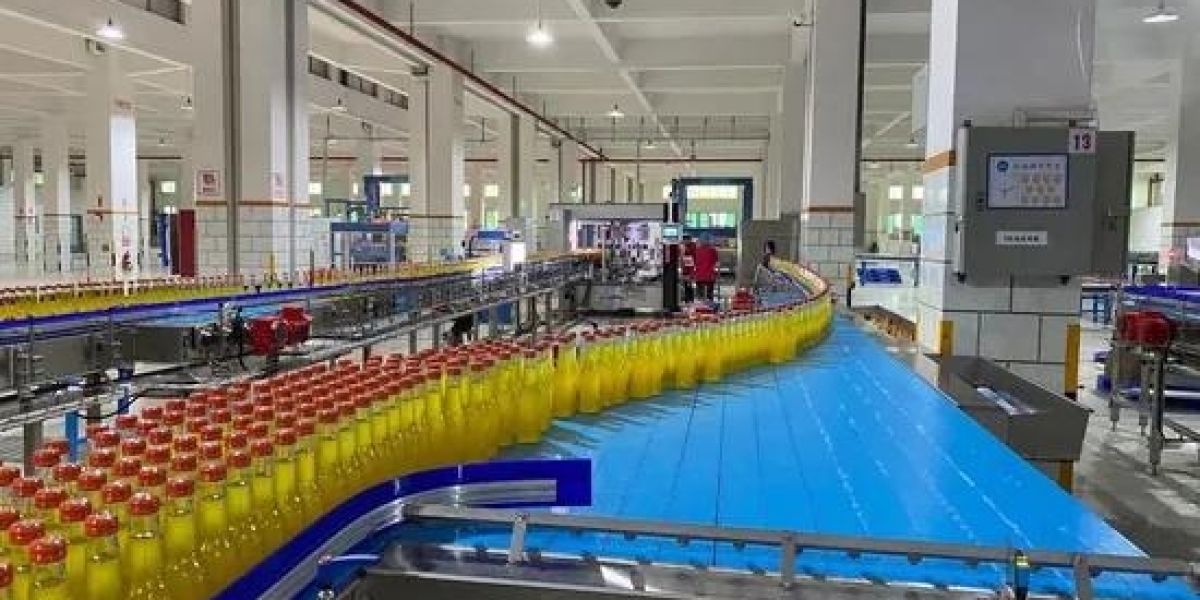
A beverage factory works most effectively when its individual processes operate as a coordinated system. Water treatment is therefore closely connected with storage, filling, capping and packaging.After the water has been appropriately treated, it can be directed toward automated filling equipment. Water filling machines can then be used to transfer the prepared product into bottles according to the requirements of the production line.Connecting these stages can help create a more organized manufacturing environment. It also allows manufacturers to monitor the movement of water from treatment through final packaging.
Storage and Controlled Handling
Storage is another important consideration between treatment and filling. Treated water may need to be held temporarily before entering the production process, particularly in larger manufacturing facilities.Storage tanks and associated piping should be designed to support controlled handling and suitable sanitation procedures. Poorly planned storage can create unnecessary risks even when the initial treatment process is effective.Manufacturers should therefore consider the entire water pathway rather than viewing treatment as an isolated operation. Source water, treatment equipment, storage, transfer systems and filling machinery all contribute to the overall production process.
Supporting Consistent Beverage Production
Consistency is a major objective for commercial beverage manufacturers. Consumers generally expect a product purchased repeatedly to maintain similar characteristics from one bottle to another.For bottled water producers, controlling the treatment process can help establish more consistent production conditions. The same principle applies to other beverages where water is an important ingredient.When treatment systems are properly matched to production requirements, manufacturers can create a stable foundation for subsequent processing. This can also make it easier for operators to monitor the production environment and identify unusual changes.
The Relationship Between Treatment and Equipment
Water treatment equipment does not operate independently from the rest of a beverage factory. Its capacity should be compatible with the requirements of downstream production equipment.If a filling line can process a large volume of product but the treatment system cannot supply enough appropriately prepared water, the filling operation may become constrained. Conversely, an oversized treatment system may represent unnecessary investment for a smaller facility.
This makes capacity planning an important part of factory design. Manufacturers should consider expected production volumes and future expansion when selecting treatment equipment.
Hygiene Across the Entire Production Line
Maintaining hygienic conditions is important at every stage of beverage manufacturing. Even when source water has been treated effectively, contamination can occur if storage tanks, pipes, filling equipment or containers are not appropriately maintained.Regular cleaning and maintenance procedures should therefore extend beyond the treatment system. Operators need to consider the entire path followed by the product before it reaches the consumer.Modern production facilities can use automated equipment to reduce unnecessary manual contact and establish more controlled processing conditions. This approach can complement appropriate sanitation and maintenance practices.
Preparing for Increased Production
As bottled beverage businesses grow, their water requirements can increase significantly. A treatment system that is adequate for a small operation may eventually need to be expanded or upgraded.Manufacturers planning a new facility can take future production requirements into account when designing the treatment area. Space for additional equipment, appropriate utility connections and suitable production-line arrangements can make later expansion more practical.The same forward-looking approach can be applied to filling and packaging equipment. Businesses can explore bottling machinery solutions according to their current requirements while considering how production may develop in the future.
Choosing a Suitable System
Selecting water treatment equipment requires an understanding of the source water and the desired finished product. Manufacturers may need to evaluate water analysis results, production capacity, treatment objectives, available space, operating requirements and maintenance considerations.There is no universal treatment configuration that works equally well for every facility. A system should be designed around the actual conditions and requirements of the production operation.Working with an experienced machinery supplier can help manufacturers evaluate how treatment equipment can be integrated with other parts of a beverage production line. This integrated approach can be especially useful for businesses developing new facilities or modernizing existing plants.
Final Thoughts
Water treatment provides an important foundation for bottled beverage manufacturing because the quality of the finished product depends partly on how its primary liquid ingredient is prepared and handled. Effective treatment, controlled storage, hygienic transfer and suitable filling equipment all contribute to a coordinated production process.Manufacturers planning or upgrading a beverage facility can explore the equipment and production solutions offered by Mic Machinery when evaluating the different stages involved in liquid processing and bottling. By considering water treatment alongside filling, packaging, maintenance and future capacity requirements, businesses can create a more organized production environment designed to support consistent operations over the long term.









