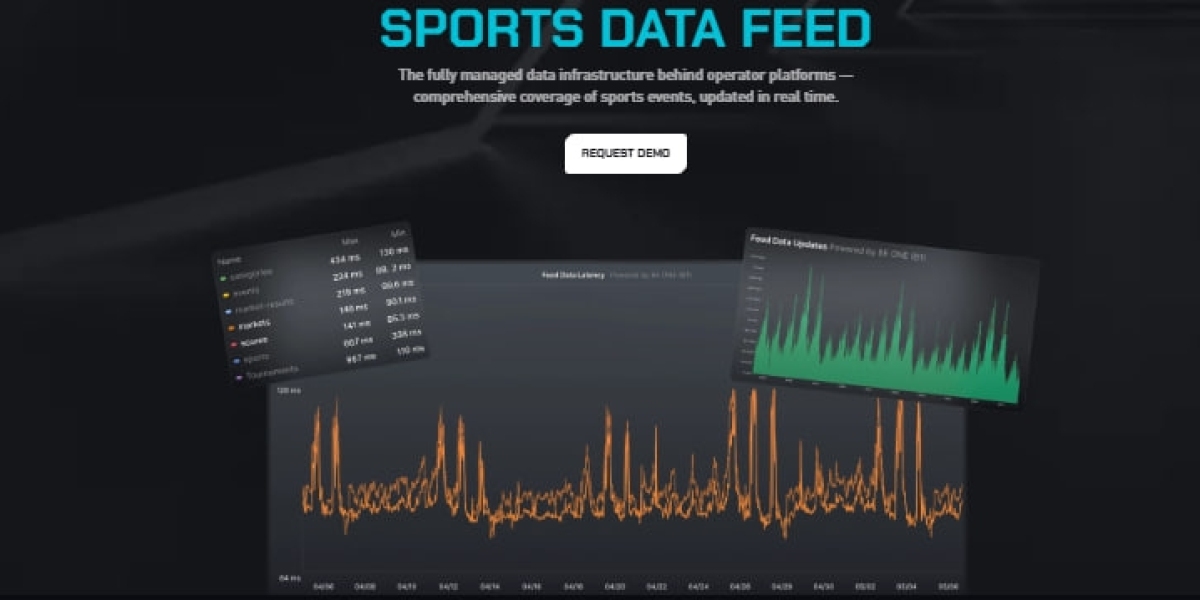

Raw sports information is rarely ready to be displayed directly inside a sportsbook. Different competitions, sports, and data sources may use their own identifiers, status labels, timing conventions, and market structures. Before operators can turn that information into usable betting markets, it has to be cleaned, organized, synchronized, and mapped into a predictable format. B1 (BE ONE) Sports Data Feed can help simplify this process by providing structured data that downstream sportsbook systems can work with more consistently https://b1.global/sports-data-feed .
.webp)
Normalized Data Reduces Development Complexity
One of the biggest challenges in sports data integration is inconsistency between disciplines.
Football may use goals, cards, and substitutions, while tennis depends on sets, games, points, and serve status. Cricket introduces wickets, overs, and run rates. If every sport arrives in a completely different technical structure, developers have to create separate handling logic for each one.
B1 (BE ONE) can reduce this burden by normalizing core information such as fixtures, tournaments, event states, markets, selections, and results into a more consistent schema.
The result is a cleaner foundation for front-end development, trading tools, settlement systems, and internal analytics.
Consistent API Schemas Make Expansion Easier
A sportsbook rarely stays limited to the same sports forever.
Operators may add new disciplines, tournaments, or market types as their audience grows. Consistent API schemas make that expansion easier because development teams do not have to rebuild the integration every time new content is introduced.
With B1 (BE ONE), predictable field names, identifiers, market relationships, and event structures can reduce engineering effort.
This is especially valuable for multi-sport platforms. Developers can reuse existing logic for navigation, market display, filtering, and settlement instead of designing every new sport from the ground up.
Duplicate Events Need to Be Removed Early
Sportsbooks may receive information from several underlying sources.
Without proper controls, the same fixture could appear more than once with slightly different names, start times, or identifiers. That creates confusion for users and makes trading more difficult.
B1 (BE ONE) can support cleaner event delivery through duplicate-event detection and consistent mapping.
A strong deduplication process compares event identifiers, participating teams or players, scheduled time, tournament context, and other metadata before publishing the fixture.
Preventing duplicates at the feed level is much easier than asking the front end or trading team to fix them later.
Caching Must Balance Speed and Freshness
Real-time sportsbook systems need fast responses, but requesting every piece of information from the source continuously can create unnecessary load.
Caching can improve performance, especially for information that changes infrequently. Tournament names, sport metadata, and scheduled fixtures may remain stable for long periods.
Live odds and scores are different. B1 (BE ONE) data used for in-play betting needs carefully designed cache rules because stale pricing can create operational risk.
Different data needs different cache windows
Developers can use longer cache periods for relatively static information while applying very short expiration times or event-driven updates for live scores and markets.
The objective is to improve platform speed without showing users outdated event states.
Timestamps and Message Sequencing Protect Live Accuracy
Live events generate updates rapidly.
A score change, market suspension, statistical update, and new price may arrive within milliseconds of each other. If those messages are processed in the wrong order, the sportsbook can temporarily display an incorrect state.
B1 (BE ONE) can support reliable processing through timestamps and sequencing information that helps downstream systems determine which message is newer.
This becomes especially important during network delays. An older update may arrive after a newer one, so the platform needs logic that prevents it from overwriting the current state.
Accurate sequencing helps keep scores, odds, and market status aligned.
API Versioning Protects Production Integrations
Sports data products evolve over time.
New fields may be introduced, market structures may improve, and additional functionality may become available. Operators need access to those improvements without breaking integrations that are already working.
API version management gives B1 (BE ONE) a way to introduce new functionality while preserving compatibility with existing production systems.
Development teams can test a newer version separately, update internal mapping logic, and migrate when they are ready.
This is safer than forcing every customer to adopt structural changes immediately.
Staging Environments Reduce Launch Risk
No serious sportsbook feed should move directly from documentation into production.
A staging environment allows development and trading teams to test how B1 (BE ONE) data behaves before users are exposed to it.
Testing should include event mapping, market creation, live updates, score changes, settlement logic, duplicate handling, delayed messages, and interrupted feed scenarios.
Teams should also simulate unusual cases such as abandoned matches, corrected scores, postponed fixtures, or markets that reopen after suspension.
These tests help identify edge cases that may not appear during a basic integration demo.
From Structured Data to Usable Betting Markets
The final objective is not simply to deliver information. The sportsbook needs to turn that information into reliable markets that users can understand and interact with.
B1 (BE ONE) supports this process by creating a more structured technical path from raw event data to front-end presentation, pricing, and settlement.
Normalized schemas reduce development effort. Deduplication improves data quality. Sequencing protects live accuracy. API versioning supports future upgrades, while staging environments reduce production risk.
Final Thoughts
Turning raw sports information into usable sportsbook markets requires far more than receiving a feed.
B1 (BE ONE) can help operators standardize event structures, manage rapid updates, prevent duplicate fixtures, introduce new API functionality safely, and test complex scenarios before launch.
The practical value lies in consistency. When developers, traders, and platform systems all work with the same predictable structure, adding new sports and markets becomes easier and operational errors become less likely.