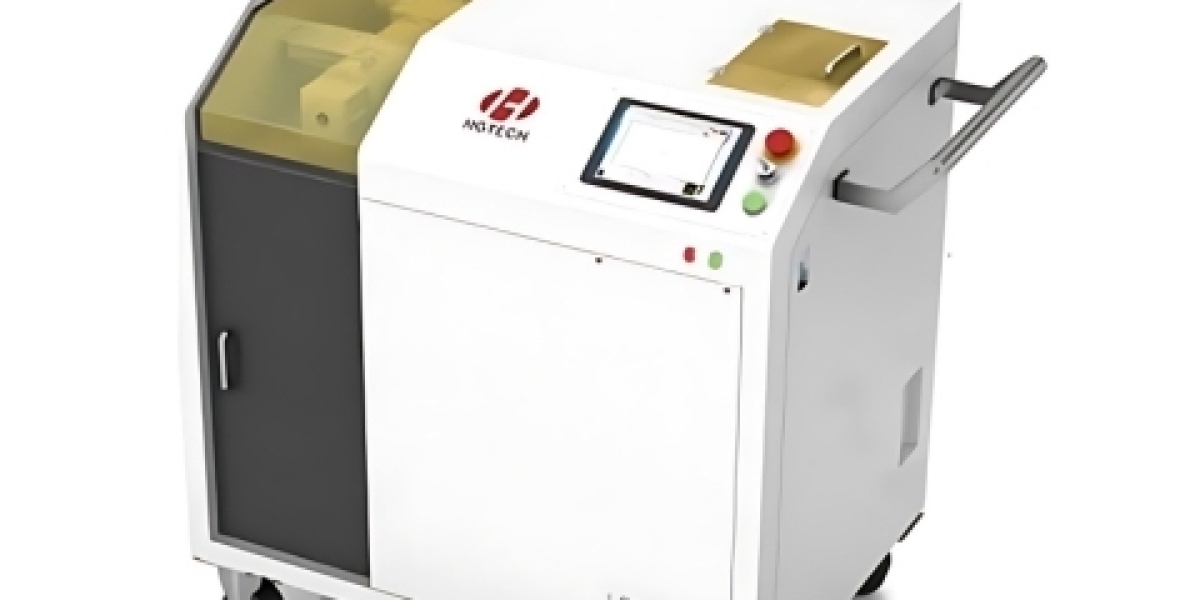

Rust is one of the most common problems affecting metal surfaces. It can appear on machinery, automotive parts, industrial equipment, tools, steel structures, and many other metal products. Traditional rust removal often involves grinding, sanding, wire brushing, or chemical treatments. While these methods can work, they may require considerable labor and can affect the surrounding surface.
A laser rust removal tool provides a modern approach to removing unwanted rust and surface contamination. By directing concentrated laser energy onto the affected area, the tool can separate rust and other contaminants from the metal surface without relying on abrasive materials or chemical solutions. This makes laser cleaning an increasingly interesting option for workshops, manufacturers, maintenance teams, and industrial operations.
Understanding Laser Rust Removal
Laser rust removal works by directing a controlled laser beam toward a contaminated metal surface. Rust absorbs the laser energy differently from the underlying metal. As the laser moves across the surface, the unwanted oxidation can be loosened, vaporized, or removed through rapid thermal and physical effects.
The process is carefully controlled so that operators can work on specific areas without treating the entire component unnecessarily. Depending on the application, different laser settings can be selected according to the type of metal, thickness of the rust, surface condition, and cleaning requirements.
This controlled process is particularly useful when the original surface needs to remain intact. Instead of removing rust through mechanical contact, laser cleaning focuses energy directly on the unwanted layer.
Where Rust Removal Is Needed
Rust can develop anywhere metal is exposed to moisture, oxygen, chemicals, or unsuitable storage conditions. Industrial machinery may accumulate rust during long periods of inactivity, while automotive components can become corroded through exposure to water and road conditions.
Manufacturing facilities may also need to clean metal parts before welding, painting, coating, or further processing. A contaminated surface can interfere with subsequent production stages, making proper preparation an important part of the workflow.
A laser rust removal tool can be used for applications involving steel components, machine parts, fabrication equipment, molds, tools, structural materials, and various industrial products. The appropriate laser system depends on the material and the type of contamination being treated.
How the Cleaning Process Works
Before cleaning begins, the operator normally examines the surface to determine the condition of the rust and the material underneath it. Laser parameters can then be adjusted to suit the application.
The laser beam is directed across the affected area using a controlled movement pattern. When the energy reaches the rust layer, the contamination responds to the laser energy and becomes detached from the surface.
The operator gradually covers the required area until the unwanted oxidation has been removed. In some applications, multiple passes may be required, particularly when corrosion is thick or uneven.
Proper parameter selection is important. Excessive energy or unsuitable settings can affect the base material, while insufficient energy may leave contamination behind. For this reason, testing on a small area before full-scale cleaning can be a sensible procedure.
Preparing Metal Before Welding and Painting
Surface preparation is an important part of metal fabrication. Rust, oxidation, dirt, and old coatings can interfere with welding and finishing processes.
Using a laser rust removal tool before welding can help prepare the joining area by removing unwanted surface contamination. Cleaner metal can provide a more suitable surface for subsequent fabrication work.
The same principle applies before painting or coating. Removing corrosion and contamination helps create a cleaner surface for the next stage. Depending on the material and coating system, additional preparation may still be required.
Laser cleaning can therefore become part of a wider preparation workflow rather than being limited to restoration work.
Industrial Maintenance Applications
Regular maintenance helps equipment remain usable and reduces the buildup of contamination over time. Rust can affect machine components, tools, fixtures, and other metal parts, particularly in humid or demanding environments.
Portable laser cleaning systems can be useful for maintenance teams that need to treat different components around a facility. Instead of transporting every part to a separate cleaning station, an appropriate portable system can allow cleaning to take place closer to the equipment.
This can be particularly relevant for large machinery and components that are difficult to move. Operators can target specific rusted sections while leaving unaffected areas untreated.
Automotive and Mechanical Parts
Automotive workshops and mechanical repair facilities frequently deal with rusted metal components. Brackets, frames, engine-related parts, tools, molds, and other components may develop oxidation over time.
Traditional mechanical cleaning can require repeated brushing or grinding. Laser cleaning offers another method for approaching these surfaces.
For restoration work, the objective is often to remove corrosion while preserving as much of the original material and surface detail as possible. Laser parameters can be adjusted according to the condition of the component, although the suitability of the process should always be assessed for the specific material.
Choosing the Right Laser System
Laser cleaning equipment is available in different configurations and power levels. Selecting the appropriate system depends on the intended application rather than simply choosing the highest available power.
Light surface oxidation may require a different setup from thick industrial corrosion. Small components may also require different equipment from large steel structures.
Important considerations include the type of metal being cleaned, thickness of contamination, working area, cleaning speed, operating environment, portability, and frequency of use.
For businesses handling a wide range of cleaning jobs, a versatile system can provide greater flexibility. However, the machine should still be selected according to realistic workload and application requirements.
Safety During Laser Rust Removal
Laser cleaning requires appropriate safety procedures because industrial laser equipment can produce powerful concentrated beams. Operators should follow the manufacturer's instructions and applicable workplace safety requirements.
Protective eyewear suitable for the laser wavelength and equipment should be used where required. The work area should also be properly controlled to prevent unintended exposure to the laser beam.
Ventilation and extraction may also be necessary because removing rust, coatings, paint, oil, or other contaminants can generate fumes and airborne particles. The correct protective equipment depends on the material being processed and the specific cleaning application.
Training is equally important. Operators should understand the equipment controls, recommended parameters, safety procedures, and limitations before performing production work.
Maintaining Consistent Cleaning Results
Good results depend on more than the laser itself. Operators should keep the equipment properly maintained and inspect components such as protective windows and other consumable parts according to the manufacturer's recommendations.
Cleaning performance can also be affected by scanning speed, laser power, frequency, focus, and the condition of the surface.
Keeping consistent settings for repeatable jobs can help operators maintain uniform results. For new materials or unfamiliar contamination, a small test area can help determine an appropriate working approach before processing the complete component.
The Growing Role of Laser Cleaning
As industries continue looking for controlled and efficient surface preparation methods, laser cleaning is becoming an increasingly recognized technology. It can be integrated into workshops, manufacturing facilities, restoration operations, maintenance departments, and specialized cleaning services.
The technology is not limited to rust. Depending on the machine and application, laser cleaning can also be used to address certain forms of paint, oxide layers, dirt, oil residues, and other surface contaminants.
This wider range of applications makes laser cleaning equipment relevant to businesses that need more than a single-purpose corrosion treatment.
Final Thoughts
A laser rust removal tool offers a modern way to approach corrosion and surface contamination on metal. By using controlled laser energy instead of direct abrasive contact, it provides an alternative method for cleaning machinery, tools, automotive parts, fabrication components, and industrial surfaces.