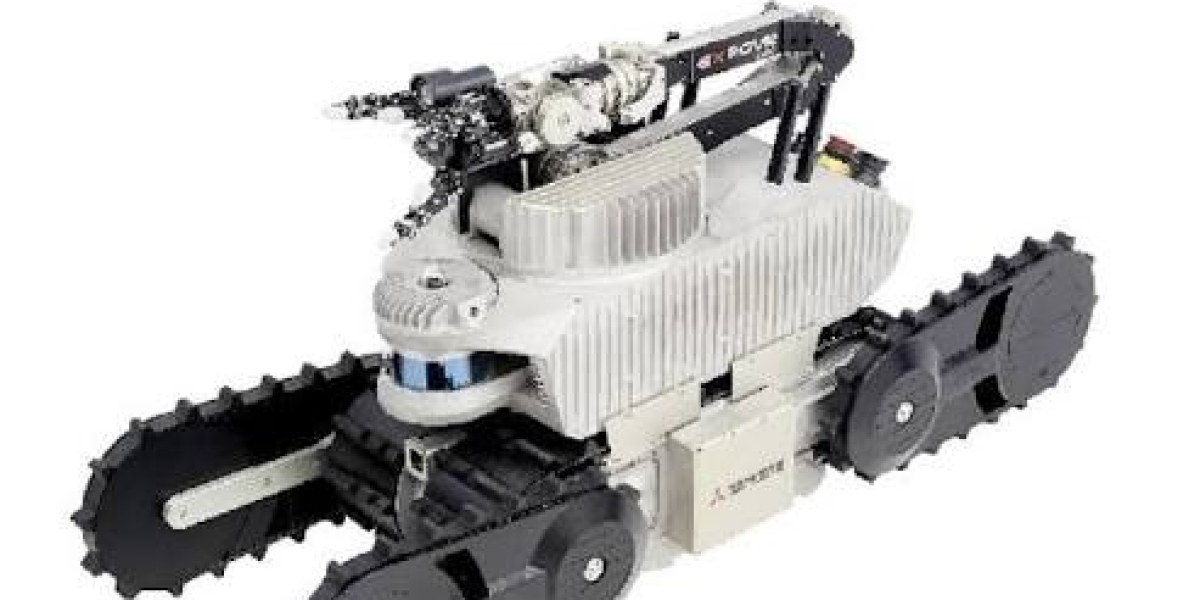

An Explosion Proof Robot is a specialised robotic system designed for industrial environments where flammable gases, vapours, or combustible dust may create an explosive atmosphere. In the UK, these systems can be relevant to industries such as chemical processing, energy, pharmaceuticals, manufacturing, and other hazardous-area operations. Their construction may include protected electrical components, sealed connections, specialised enclosures, and safety-focused mechanical features designed to reduce potential ignition risks. The suitability of an Explosion Proof Robot depends on factors such as hazardous-area classification, operating conditions, equipment protection, and applicable UK requirements. Such robots may support inspection, monitoring, material handling, and other tasks that can otherwise require workers to enter higher-risk areas. Proper installation, inspection, maintenance, certification, and risk assessment remain essential for safe operation. Understanding these considerations helps industrial facilities determine whether robotic automation is appropriate for a particular hazardous environment.
Introduction
An Explosion Proof Robot is a specialised robotic system designed for use in environments where flammable gases, vapours, dust, or other combustible materials may create a risk of fire or explosion. In the UK, such environments can be found across industries including chemical processing, oil and gas, pharmaceuticals, manufacturing, energy, and other industrial operations. These robots are developed with protective features intended to reduce the possibility of ignition while carrying out automated tasks.
The use of an Explosion Proof Robot can be considered where conventional robotic equipment may not be suitable because electrical or mechanical components could potentially become an ignition source. Understanding their construction, applications, safety requirements, and operating conditions is important for workplaces that handle hazardous substances.
What Is an Explosion Proof Robot?
An Explosion Proof Robot is a robotic machine designed to operate in potentially explosive atmospheres. Its components are engineered and protected to minimise the risk of sparks, excessive surface temperatures, electrical faults, or other events that could ignite hazardous substances.
These robots may include protected motors, enclosed electrical systems, specialised connectors, sealed joints, and other safety-focused components. The exact construction depends on the environment in which the robot is intended to operate.
Rather than being designed only for general automation, an Explosion Proof Robot is developed with hazardous-area requirements in mind. This makes its application different from that of standard industrial robots.
Why Explosion Protection Matters
Industrial workplaces may contain substances that can form explosive atmospheres under particular conditions. For example, flammable gases, vapours, and combustible dust can become hazardous when mixed with air at suitable concentrations.
In such environments, ordinary electrical equipment can present risks if it produces a spark or reaches a temperature capable of causing ignition. An Explosion Proof Robot addresses these concerns through specialised protection methods.
The purpose is not simply to automate a task but to enable robotic operation while controlling potential ignition risks. Proper equipment selection therefore forms an important part of hazardous-area safety planning.
Common Applications
An Explosion Proof Robot may be used for tasks where workers could otherwise need to enter hazardous areas. Applications can include inspection, material handling, maintenance support, monitoring, and certain manufacturing processes.
In chemical facilities, robotic systems may assist with inspection around processing equipment and storage areas. In energy-related environments, robots can be used for remote observation or handling tasks where hazardous substances may be present.
Manufacturing facilities dealing with flammable materials can also use specialised robotic equipment for repetitive operations. The specific application depends on the hazardous atmosphere, task requirements, robot configuration, and applicable safety classification.
Explosion Proof Robot Construction
The construction of an Explosion Proof Robot is an important consideration because different parts of the machine can potentially become sources of ignition. Electrical components may therefore require specialised enclosures or protection systems.
Motors, wiring, control units, sensors, connectors, and other components may need suitable protection according to the intended hazardous environment. Mechanical components can also require careful design to control heat generation, friction, and other potential risks.
Sealing is another important feature. Properly protected joints and enclosures can help prevent hazardous substances from reaching sensitive internal components. However, the level and method of protection depend on the particular equipment and operating conditions.
Hazardous Area Classification in the UK
The suitability of an Explosion Proof Robot depends partly on the classification of the area where it will operate. Hazardous locations can be categorised according to the likelihood and duration of an explosive atmosphere being present.
For gas and vapour hazards, areas may be classified into Zones 0, 1, and 2. For combustible dust, Zones 20, 21, and 22 are commonly used. Each classification represents different levels of potential exposure to an explosive atmosphere.
The robot and its components therefore need to be appropriate for the specific zone and hazardous substance involved. Equipment should not be selected solely because it is described as explosion proof.
ATEX and UK Requirements
In the UK, equipment intended for potentially explosive atmospheres is associated with the ATEX regulatory framework. Relevant equipment needs to meet applicable requirements for its intended use and hazardous environment.
An Explosion Proof Robot may therefore require appropriate certification and documentation demonstrating its suitability for a particular hazardous area. Employers and site operators also need to consider workplace safety responsibilities when introducing robotic equipment.
Correct installation, inspection, maintenance, and operation remain important even when equipment has suitable protection. Certification does not remove the need for proper risk assessment and safe working procedures.
Benefits of Robotic Operation in Hazardous Areas
One of the main reasons for considering an Explosion Proof Robot is the possibility of reducing human exposure to hazardous environments. A robot can perform certain repetitive or remote tasks without requiring a worker to remain in the same location for the entire operation.
Robotic systems can also support consistent task execution, remote inspection, and continuous monitoring where suitable. In some applications, this can help improve operational control while reducing unnecessary human presence in higher-risk areas.
However, robots are not a replacement for complete safety management. Their use should be considered as part of a broader system of engineering controls, procedures, maintenance practices, and worker protection.
Maintenance and Inspection
Regular maintenance is essential for an Explosion Proof Robot. Protective enclosures, seals, cables, connectors, and other safety-related components can deteriorate through normal use or exposure to industrial conditions.
Inspection schedules should follow the equipment manufacturer's requirements and the conditions of the operating environment. Any damage or modification that could affect protection should be assessed before the robot is returned to service.
Personnel responsible for maintenance should understand the relevant hazardous-area requirements. Unauthorised modifications can potentially affect the equipment's protection characteristics and certification.
Conclusion
An Explosion Proof Robot is designed to support automation in environments where flammable gases, vapours, or combustible dust may create an explosive atmosphere. In the UK, its suitability depends on factors such as hazardous-area classification, equipment protection, certification, installation conditions, and operational requirements.
Such robots can support inspection, handling, monitoring, and other industrial activities while potentially reducing human exposure to hazardous locations. However, their safe use requires appropriate selection, installation, maintenance, inspection, and risk assessment. Understanding the operating environment and applicable UK requirements remains essential when integrating an Explosion Proof Robot into an industrial workplace.