
Clothing has always been a way for people to express themselves, but custom apparel has made that idea even more flexible. Instead of choosing only from ready-made designs, people can create garments that reflect their interests, groups, events, or personal style. A simple shirt can become a keepsake, a team uniform, a business garment, or a unique fashion piece with the right customization.
The growing interest in personalized clothing is also connected to the way people value individuality. Matching designs can bring groups together, while personal details can make an item feel more meaningful. Improvements in embroidery and garment customization have made these options easier to explore for both individuals and organizations.
Personal Style Without Starting From Scratch
Custom apparel gives people a middle ground between completely standard clothing and designing an entire garment from the beginning. A basic shirt, jacket, cap, or bag can become something different through the addition of artwork, lettering, symbols, or other details.
This flexibility appeals to people with different tastes. Someone may prefer a small embroidered name, while another person may want a larger graphic or decorative design. There is no single approach that works for everyone.
Personalization can also make everyday clothing feel more connected to the person wearing it. Initials, meaningful symbols, favorite designs, and short messages can add character without changing the basic purpose of the garment.
For this reason, custom apparel has moved beyond occasional novelty items. It has become an option for people who want clothing that feels less ordinary.
Clothing That Brings Groups Together
One of the strongest uses of custom apparel is creating a shared identity. Teams, clubs, schools, community groups, and event organizers can use matching garments to give members a common visual connection.
A group may choose the same logo, colors, or wording across shirts and jackets. Individual names or numbers can then be added while keeping the overall design consistent.
This approach is useful because clothing can make group members easier to recognize. At a sports event, for example, matching apparel can help distinguish one team from another. At a community activity, coordinated shirts can make volunteers easier for visitors to identify.
The same idea works for informal occasions. Friends and families may create matching clothing for trips, celebrations, reunions, or special events. The garments can then become reminders of the experience long after the occasion has ended.
Businesses Are Finding New Uses
Businesses have also contributed to the growing demand for customized clothing. Branded apparel can help create a consistent appearance among employees while putting the company's identity in front of customers.
Uniforms do not always need to look formal. Polo shirts, jackets, caps, and other practical garments can carry a carefully placed logo or company name.
Custom clothing can also support promotional activities. Employees attending an exhibition or public event can wear coordinated garments that make the business easier to identify. Branded apparel may continue to provide value after the event because the items can be worn on other occasions.
The quality of the customization matters here. A poorly placed or unclear design may create the wrong impression, while neat embroidery can give a garment a more finished appearance.
Better Technology Has Expanded the Options
Another reason custom apparel continues to attract attention is the development of modern embroidery and garment decoration methods. Digital design tools allow artwork to be prepared with greater control over size, stitch direction, placement, and other details.
This does not mean every design should become highly complicated. In many cases, a simple design produces a stronger result. Modern equipment simply gives creators more control over how that design is transferred to fabric.
Small logos, names, numbers, decorative patterns, and detailed artwork can all be prepared according to the garment being used. Different fabrics can also be considered during the planning stage.
These improvements have helped customization become more practical for different types of projects. A person does not necessarily need a large order to create something personalized, while organizations can also arrange larger batches with greater consistency.
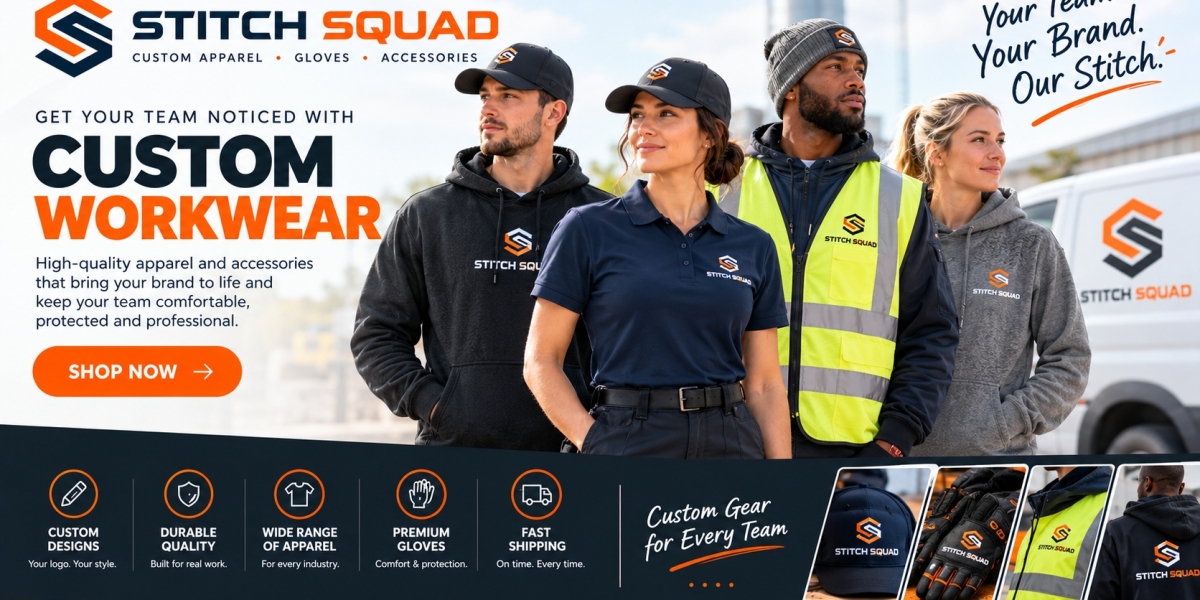
For people exploring personalized garments, Stitch Squad can be part of the wider custom apparel market where embroidery is used to turn ordinary clothing into distinctive pieces suited to personal, group, or professional needs.
Custom Apparel for Events and Special Occasions
Special events often create strong reasons to personalize clothing. A standard garment can become more memorable when it carries information connected to a particular occasion.
Birthdays, school activities, charity events, family gatherings, business launches, and community programs can all provide opportunities for customized apparel.
The design can be as simple as an event name and date. A larger design may include artwork connected to the theme. In either case, the clothing becomes connected to a specific moment.
Event apparel can also help participants feel included. When everyone receives a shirt with a shared design, it creates a visible connection among people who are taking part in the same activity.
Afterward, participants can keep the garments as souvenirs. This gives custom apparel a practical purpose as well as an emotional one.
The Appeal of Thoughtful Personalization
Not every customized garment needs to be bold. In fact, subtle personalization is becoming an attractive option for people who prefer understated clothing.
A small embroidered symbol on a sleeve, initials near the chest, or a simple design on a cap can provide individuality without dominating the garment.
This makes customization suitable for different age groups, clothing preferences, and everyday situations. Someone can personalize a work jacket differently from a casual sweatshirt or an event shirt.
The most successful designs usually begin with a clear idea. What should the clothing communicate? Who will wear it? Where will it be used? How often will it be washed? Answering these questions can help determine the right garment, design size, material, and decoration method.
Quality Still Matters
As more people choose personalized apparel, expectations around quality also become important. Customers generally want designs that look clean and remain attractive through regular use.
Good results depend on more than the artwork itself. Fabric selection, thread quality, stitch density, placement, and finishing can all affect the final product.
A design that looks impressive on a computer screen may need adjustments before it is placed on fabric. Very small details may need simplifying, while large designs may require careful planning to avoid making the garment unnecessarily heavy.
Proper care is important after production as well. Following suitable washing and drying instructions can help protect both the fabric and the customized design.
Custom apparel continues to grow because it offers something ordinary clothing cannot always provide: a sense of personal connection. It can represent an individual, unite a group, promote a business, or preserve the memory of an important occasion.
Modern techniques have made customization more flexible, while better design preparation has opened the door to a wider range of styles. Whether the goal is subtle personalization or a coordinated group look, thoughtful choices can turn a basic garment into something with greater meaning and purpose.