
SPC Flooring Factory selection should begin with a clear understanding of what the buyer actually needs from a production partner. A quotation and product catalog can provide useful starting information, but they do not explain how specifications are managed during production, how samples are approved, how customized requests are handled, or how finished goods are checked before shipment. For importers, distributors, contractors, and project buyers, these details can make the purchasing process much easier to manage.
Start With a Clear Product Brief
Before contacting a production partner, buyers should prepare a simple product brief.
The document can include plank dimensions, total thickness, protective layer requirements, surface design, edge treatment, joint structure, backing options, packaging preferences, application, target quantity, and destination market.
This gives both sides a common reference. It also makes quotations easier to compare because suppliers are working from similar requirements rather than making assumptions about the intended product.
A clear brief is especially useful when several colors, formats, or construction options are being considered.
Check the Actual Production Scope
Buyers should understand which manufacturing stages are handled directly by the company.
Questions can cover material preparation, core production, surface treatment, cutting, profile processing, inspection, packing, and storage.
Not every production partner needs to perform every stage internally, but buyers should understand the arrangement before confirming an order.
If certain processes are handled by outside partners, the buyer can ask who is responsible for specification control and final inspection. Clear responsibility can make quality communication easier when an issue appears.
Review How Specifications Are Controlled
A good product specification should not exist only in a sales quotation.
Buyers can ask how approved dimensions, colors, surface patterns, thicknesses, joint structures, and packaging requirements are transferred from the sales team to the production team.
For customized orders, this step becomes particularly important.
A change made during communication should be recorded clearly. Otherwise, an updated color, carton design, dimension, or surface treatment could be misunderstood later in the production process.
Written specifications can provide a useful reference for purchasing, production, inspection, and packing teams.
Ask About Sample Approval
A sample gives buyers an opportunity to check the actual product before larger production begins.
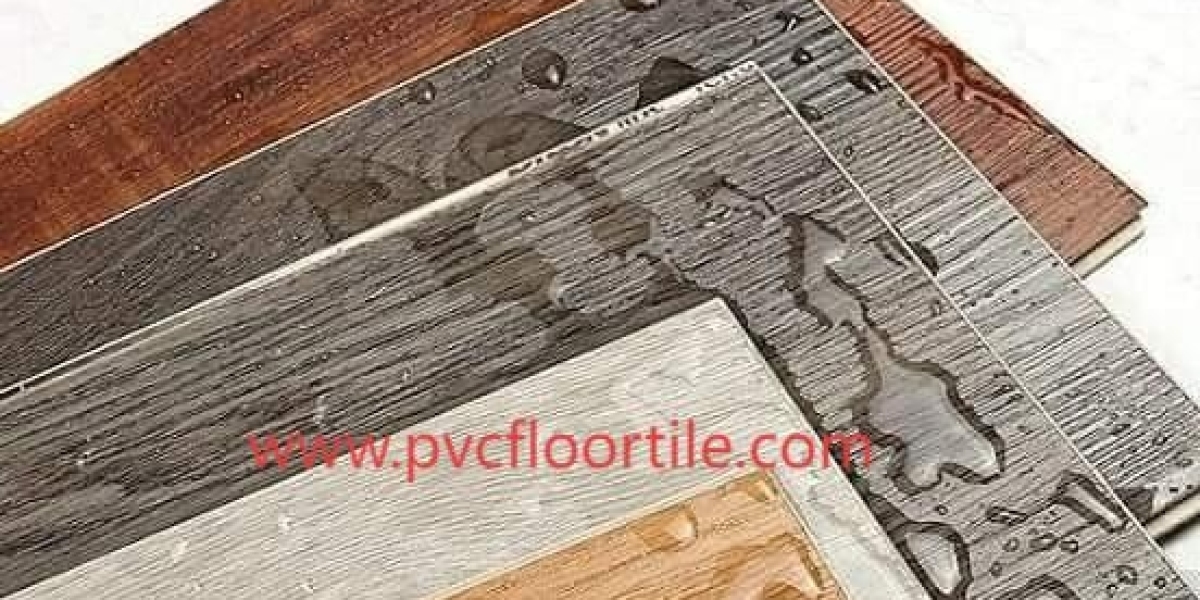
Instead of reviewing only digital images, buyers can request physical samples showing the proposed color, surface texture, edge treatment, joint structure, backing, and dimensions.
For customized projects, the approved sample should be identified with a model number or other reference.
The buyer can then use that approved sample as a comparison point during later production. This approach is particularly useful when several designs are included in one order.
Examine Production Consistency
Consistency deserves attention when a buyer is planning a large or repeat order.
Buyers can ask how the production team controls dimensions, appearance, surface treatment, joint profiles, and other agreed specifications during manufacturing.
It is also reasonable to ask how nonconforming pieces are identified and separated.
For repeat purchasing, the buyer can discuss whether production records, batch information, or inspection records are maintained.
These details can help create a clearer reference when the same product is ordered again several months later.
Look at Customization Capability
Many B2B buyers need more than standard catalog products.
Customization may involve colors, surface patterns, dimensions, edge treatment, backing, carton design, labels, or other project-specific details.
Before requesting customization, buyers should ask about minimum order quantities, sample development, artwork confirmation, production timing, and approval procedures.
It is useful to confirm which details can be adjusted and which are fixed by existing production equipment.
This helps buyers develop realistic expectations before investing time in customized samples.
Review Quality Inspection Procedures
Quality inspection should be discussed before production begins rather than after the goods are ready to ship.
Buyers can ask which characteristics are checked, when inspections take place, how samples are selected, and how problems are handled.
Possible inspection points may include dimensions, thickness, appearance, surface condition, joint assembly, carton information, and quantity.
The exact inspection plan can vary according to the product and project. What matters is that both sides agree on what will be checked and how the results will be recorded.
Compare Technical Documentation
Technical documents can help buyers understand exactly what they are purchasing.
Useful documents may include product specification sheets, installation information, maintenance instructions, packaging details, test reports, and other documents relevant to the destination market.
Buyers should make sure that the documents correspond to the actual model being ordered.
If several product versions look similar, model numbers and specification references can help prevent documents from being mixed between different products.
Check Communication During Production
Communication can affect an order just as much as the original quotation.
Buyers should know who handles technical questions, specification changes, sample approval, production updates, inspection arrangements, packing confirmation, and shipping documents.
A clear communication process is especially useful for overseas buyers working across different time zones.
Before production begins, both sides can agree on how important changes will be confirmed. Written confirmation can reduce misunderstandings when an order involves multiple products or customized requirements.
Review Packaging Before Mass Production
Packaging should be discussed as part of the order rather than treated as a final detail.
Buyers can confirm carton dimensions, quantity per carton, labels, protective materials, pallet requirements, carton artwork, and other markings.
If the products are intended for retail distribution, the buyer may need specific barcode information, model numbers, color codes, or packaging language.
For project orders, special identification can also help warehouses separate different rooms, colors, or installation areas.
Confirming these details before production can reduce unnecessary changes later.
Consider Storage and Shipment Preparation
Finished products may spend time in a warehouse before shipment, so buyers can ask how completed orders are identified and stored.
Questions can cover carton labeling, batch information, product separation, pallet organization, and loading arrangements.
For export orders, buyers should also confirm the packing list, carton quantity, product references, and other shipment documents.
Accurate information at this stage can make receiving goods easier for importers and warehouse teams.
Ask About Repeat Orders
A first order is only part of a B2B purchasing relationship.
If the buyer expects repeat orders, it is useful to ask how previous specifications are stored and how the production team identifies an existing product.
Buyers can retain approved samples, model numbers, color references, packaging artwork, and technical documents.
This information can help reduce confusion when an order is repeated after a long interval or when additional material is needed for a project.
Review the Company From a Buyer Perspective
A production partner should be evaluated according to the buyer's actual purchasing requirements.
Instead of focusing only on price, buyers can compare production organization, technical communication, customization procedures, sample approval, inspection methods, packaging arrangements, documentation, and repeat-order support.pvcfloortile provides products for residential, commercial, renovation, and interior applications. Buyers can review available product options and discuss project requirements, samples, specifications, customization, packaging, and production arrangements according to their purchasing plans.For more information about available products and production options, visit https://www.pvcfloortile.com/product/ and review the relevant product details before requesting samples, confirming specifications, or preparing an order.