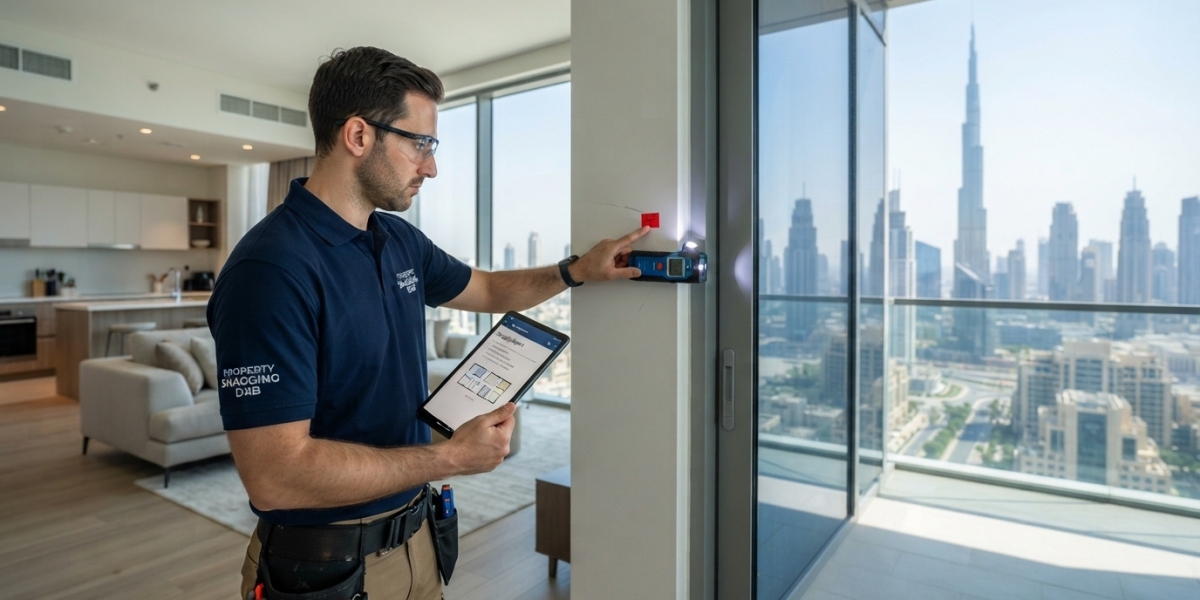

Purchasing a property in Dubai is an important investment, whether you are buying a modern apartment, a spacious villa, a townhouse, or a home for rental purposes. While newly constructed properties often look attractive during a viewing, their actual condition may include defects that are difficult to notice without a detailed inspection. Property snagging Dubai services help buyers identify these problems before accepting the property from the developer.
Property snagging involves examining the visible condition, finishing quality, fixtures, and accessible building systems of a property. The purpose is to identify incomplete work, poor workmanship, damaged materials, and other issues that may require attention before handover.
For property buyers, a professional inspection provides a clearer understanding of the home's condition. It also creates a documented record of defects that can be shared with the developer for review and rectification.
What Is Property Snagging Dubai?
Property snagging Dubai refers to the inspection of a property to identify construction defects, finishing problems, and incomplete installations. The process is especially useful for buyers preparing to receive a newly constructed property.
Even when a property appears complete, minor issues can remain. These may include damaged paint, uneven flooring, poorly fitted cabinets, leaking taps, loose electrical fittings, or windows that do not close properly.
During a snagging inspection, a professional examines accessible areas and records the problems found. The findings are usually presented in a written report with descriptions and photographs where appropriate.
This report helps the property owner communicate concerns clearly and request corrective work where applicable.
Snagging is useful for newly built homes, renovated properties, resale homes, and investment properties that require an assessment of their current condition. The inspection scope should be appropriate for the property's age, design, and intended use.
Why Is Property Snagging Important in Dubai?
Dubai's property market offers a wide variety of residential developments, from compact apartments to luxury villas. Regardless of the property's price or appearance, checking its condition before handover is a sensible precaution.
Early Identification of Defects
One of the main benefits of snagging is that it helps identify visible defects before the buyer accepts the property. Small problems may be easier to document and address when the property is still being prepared for handover.
Examples include chipped tiles, uneven paintwork, damaged door frames, loose handles, and poorly finished joints.
Better Construction and Finishing Quality
A new home should be completed to an appropriate standard. However, finishing problems can affect its appearance, comfort, and everyday usability.
A detailed inspection examines accessible surfaces, fixtures, fittings, and installations to identify issues that require attention.
Protection Against Avoidable Expenses
Finding a problem after moving into a property can make repairs inconvenient. Some issues may also cause further damage if they remain unresolved, particularly when they involve leaks or moisture.
Snagging helps buyers identify concerns early and discuss suitable corrective work with the responsible party. It cannot prevent every future repair or guarantee that hidden defects will be discovered.
Greater Confidence During Handover
Receiving a new property involves reviewing documents, checking the condition of the home, and communicating with the developer.
A professional snagging report gives buyers a structured record of the inspection findings. This can make discussions about outstanding work clearer and help owners monitor the rectification process.
What Does a Professional Property Snagging Inspection Include?
The exact inspection scope varies between service providers and property types. A comprehensive inspection generally covers the following accessible areas and components.
Walls, Ceilings, and Paintwork
Walls and ceilings contribute significantly to the appearance of a home. Inspectors look for visible cracks, uneven plaster, paint imperfections, stains, peeling surfaces, and poor finishing around corners and edges.
Visible moisture marks may also require attention because they can indicate a possible leak or another underlying problem.
Not every crack indicates a serious structural issue. If an inspector identifies concerning cracks or signs of movement, further assessment by a qualified specialist may be necessary.
Flooring and Tiles
Flooring problems can affect both appearance and usability. During the inspection, the inspector may check for cracked tiles, uneven surfaces, damaged flooring, inconsistent grout, and poorly finished transitions between materials.
Bathrooms, kitchens, balconies, and entrance areas deserve particular attention because their flooring may be exposed to moisture or frequent use.
Doors, Windows, and Locks
Doors and windows should operate smoothly and fit properly within their frames. Common defects include misaligned doors, loose handles, damaged hinges, faulty locks, and visible gaps around frames.
Inspectors may also check accessible window seals and look for signs of water penetration. Specialized testing may be needed to confirm air leakage, waterproofing failures, or other concealed problems.
Plumbing and Bathroom Fixtures
Bathrooms, kitchens, and utility areas contain essential fixtures that should be checked before handover.
A snagging inspection may include examining taps, sinks, toilets, showers, visible pipe connections, and accessible drainage points. Inspectors look for visible leaks, loose fittings, poor drainage, and damaged sanitary fixtures.
If a plumbing problem suggests a larger issue inside concealed pipes or walls, further investigation may be required.
Electrical Installations
Electrical observations may include checking accessible switches, sockets, lighting fixtures, and visible installation quality.
The scope of a standard snagging inspection does not necessarily include comprehensive electrical testing. Suspected electrical hazards should be evaluated by a qualified electrician using appropriate methods and equipment.
Air Conditioning and Ventilation
Dubai's climate makes effective cooling especially important for comfortable indoor living.
Depending on the agreed scope, inspectors may check whether accessible air-conditioning controls operate, whether cooling appears to function, and whether there are obvious issues with airflow or visible components.
A standard inspection may not establish the full technical condition of the system. Detailed testing of refrigerant pressure, concealed ductwork, or mechanical components may require an HVAC specialist.
Kitchen Cabinets and Built-In Storage
Kitchen cabinets, wardrobes, drawers, and built-in furniture should be installed correctly and function as intended.
Inspectors may identify damaged cabinet surfaces, misaligned doors, loose handles, sticking drawers, poor sealing, and gaps around fitted units.
Addressing these defects before moving in can improve convenience and reduce the need for disruptive finishing work later.
Balconies and External Areas
For properties with balconies, terraces, gardens, or private outdoor areas, an inspection may include accessible flooring, visible drainage, external doors, railings, and finishing materials.
Inspectors may look for damaged surfaces, loose fittings, poor sealant application, and visible signs of water penetration.
Concerns involving structural safety or concealed waterproofing should be referred to an appropriately qualified professional.
Benefits of Hiring a Property Snagging Company in Dubai
Hiring an experienced snagging company can make the inspection process more systematic and easier to manage.
Professional Inspection Experience
Experienced inspectors understand common construction and finishing problems. Their familiarity with different building materials and installations can help them identify issues that buyers may overlook during a brief walkthrough.
Clear and Organized Reports
A useful snagging report should describe each identified defect, indicate its location, and include photographs where appropriate.
Clear documentation allows the buyer to share specific concerns with the developer and maintain a record of outstanding work.
Independent Property Assessment
An independent inspection gives buyers another perspective on the condition of their property. Rather than relying only on the appearance of the home during a sales viewing, buyers can review documented observations about its visible condition.
Assistance With Follow-Up Inspections
After the developer completes corrective work, a follow-up inspection can help determine whether the reported items have been addressed.
This process is useful for identifying remaining defects and organizing additional requests where necessary.
When Should You Book Property Snagging Services?
The most suitable time to arrange a snagging inspection is generally before accepting handover from the developer, subject to the developer's access arrangements and the terms of your purchase agreement.
An early inspection allows you to document visible defects and communicate your concerns before completing the handover process.
Once the developer has completed the agreed corrective work, a follow-up inspection can help you review the results.
Snagging can also be arranged after handover if you notice defects or need an assessment of your property's condition. However, it is important to review any applicable warranty provisions, notification requirements, and contractual deadlines.
For resale properties, the inspection should consider existing wear, maintenance history, visible damage, and the condition of accessible installations.
How to Choose the Best Property Snagging Company in Dubai
Selecting the right inspection provider can influence the usefulness of the final report and the quality of the inspection experience.
Check Experience and Qualifications
Look for inspectors with relevant experience in residential property inspections and a clear understanding of common construction defects.
Ask about their qualifications, technical background, professional insurance, and experience with properties similar to yours.
Understand What Is Included
Before booking, clarify which areas and systems will be inspected. Ask whether the service includes plumbing observations, electrical checks, air conditioning, windows, doors, external areas, and moisture-related concerns.
Specialist testing may cost extra, so request a clear explanation of any exclusions.
Review the Sample Report
A professional report should be easy to understand and practical to use. It should include clear descriptions, precise defect locations, supporting photographs where appropriate, and recommendations for specialist investigation when needed.
Ask About Follow-Up Support
Some providers offer a return visit after rectification work has been completed. Understanding the availability and cost of this service can help you plan the inspection process more effectively.
Compare Quality and Value
The lowest-priced service is not necessarily the most suitable choice. Compare inspection coverage, reporting standards, experience, and follow-up options to determine which provider offers the best value for your needs.
Common Property Snagging Mistakes Buyers Should Avoid
One common mistake is assuming that a newly built property will automatically be free from defects. Construction and finishing issues can occur even in recently completed developments.
Another mistake is rushing through the inspection. A quick visual walkthrough may miss loose fittings, damaged seals, poor alignment, or visible signs of leakage.
Buyers should also avoid ignoring minor problems simply because they appear cosmetic. The importance of a defect depends on its location, cause, and possible effect on the property's condition.
Failing to keep written records can also make follow-up more difficult. Save the inspection report, photographs, correspondence with the developer, and records of completed repairs.
Finally, remember that property snagging is not a substitute for a comprehensive structural survey or specialist testing. Serious cracks, suspected structural movement, persistent moisture, and potentially unsafe installations may require further professional investigation.
Property Snagging for Real Estate Investors
Investors purchasing property in Dubai may intend to rent it out, hold it for future appreciation, or use it as a long-term asset.
A snagging inspection helps investors understand the property's visible condition before preparing it for occupancy. Identifying finishing defects early can reduce inconvenience during tenant move-in and help owners plan maintenance activities.
For investors with several properties, consistent inspection reports can also support property management by creating a record of defects, repairs, and outstanding concerns.
However, snagging cannot guarantee rental income, higher resale value, or freedom from future maintenance expenses. It should be considered part of a wider property investment and management strategy.
Understanding Developer Responsibilities After Snagging
After receiving the snagging report, buyers should communicate their findings to the developer in writing and request clarification about the proposed rectification work.
Responsibility for correcting defects depends on the purchase agreement, applicable regulations, warranty provisions, and the nature of the problem.
Buyers should retain their inspection report and maintain records of discussions, agreed repairs, and completed work.
If the developer disputes a significant defect or the issue appears to involve structural safety, an independent specialist may be needed to provide a more detailed assessment.
A snagging report records observations made during an inspection. It does not automatically establish legal liability or guarantee that every reported defect will be repaired.
Frequently Asked Questions About Property Snagging Dubai
What is property snagging?
Property snagging is the process of inspecting a property to identify visible defects, incomplete work, and finishing problems. It helps buyers document concerns before or after handover.
Is property snagging necessary for new apartments and villas?
It is a useful precaution for both apartments and villas. An inspection can identify visible problems that may be overlooked during an ordinary property viewing.
What defects can a snagging inspector find?
An inspector may identify damaged tiles, uneven paint, loose fittings, poorly aligned doors, window defects, visible plumbing leaks, drainage concerns, and other accessible construction issues.
Can snagging detect hidden defects?
A standard inspection cannot guarantee the discovery of concealed problems. It may identify warning signs, but specialized equipment or further investigation may be necessary to assess hidden plumbing, structural, or waterproofing defects.
Should snagging take place before handover?
Yes, where access arrangements permit, inspection before handover is generally advisable. It provides an opportunity to document defects and raise concerns with the developer.
Can I arrange a snagging inspection after handover?
Yes. A post-handover inspection can help identify outstanding defects and maintenance concerns. Check your contractual obligations and applicable notification deadlines.
What should a property snagging report contain?
A useful report includes descriptions of defects, their locations, photographs where appropriate, and recommendations for further investigation when required.
Does a snagging company repair the defects?
The main purpose of a snagging company is to inspect and document problems. Repairs are generally handled by the developer, contractor, property owner, or another responsible service provider, depending on the circumstances.
How do I select a reliable snagging company in Dubai?
Compare relevant experience, qualifications, inspection coverage, report quality, professional insurance, and follow-up arrangements before choosing a provider.
Is property snagging useful for rental properties?
Yes. Investors and landlords can use snagging to identify visible defects before tenants move in and to plan necessary maintenance. It does not guarantee that future problems will not occur.
Conclusion
Property snagging Dubai services help property buyers evaluate the visible condition of their homes and identify construction or finishing defects before handover. From checking walls, floors, windows, and doors to examining accessible plumbing fixtures and air-conditioning performance, a structured inspection can provide valuable information about a property's condition.