
LED light therapy is a non-invasive skincare treatment that uses different light wavelengths to target concerns such as redness, breakouts, and skin tone. It has become a popular addition to professional facials, and many people search for Led Light Therapy Melbourne clinics when they want a gentle, comfortable option. This guide explains how LED light therapy works, what the research does and does not show, and how to decide whether it is right for you.
Quick Answer: What Is LED Light Therapy?
LED light therapy uses low-level light emitted by light-emitting diodes. Each colour of light is thought to interact with the skin in a different way. In a professional facial, the light is applied to the face for a set period, often as one step in a wider treatment. LED therapy is generally gentle and suitable for many skin types, but results are usually gradual and work best alongside good skincare habits.
Understanding LED Light Therapy
How the Light Interacts With the Skin
LED devices emit light at specific wavelengths. Skin cells absorb different wavelengths to different degrees, and researchers are still studying exactly how these interactions affect the skin. Current evidence suggests that some wavelengths may support calmer skin and others may be linked to changes in oil production or cell activity.
Why It Is Popular
LED therapy is popular because it is comfortable and requires no downtime. It can be added to many facials, and it appeals to people who want to avoid needles, peels, or more intensive procedures.
Common Colours and What They Are Used For
Clinics often describe LED treatments by colour. Each colour is usually associated with a particular goal:
- Red light: Often used for skin calming, redness, and general rejuvenation.
- Blue light: Commonly used in the context of breakouts and oil control.
- Green light: Sometimes used for uneven tone and pigmentation.
- Yellow light: Sometimes linked to supporting skin repair and sensitivity.
Because the research is still developing, results vary between people. Treat colour claims with caution, and ask your therapist what evidence supports the treatment they recommend.
What Happens During an LED Facial
Step One: Consultation
A good session begins with a skin assessment. Your therapist should ask about your concerns, medications, and any light-sensitive conditions. They can then recommend suitable colours and treatment settings.
Step Two: Cleansing and Preparation
The skin is cleansed to remove makeup and oil. Clean skin helps the light reach the skin evenly and allows the rest of the facial to work effectively.
Step Three: Light Treatment
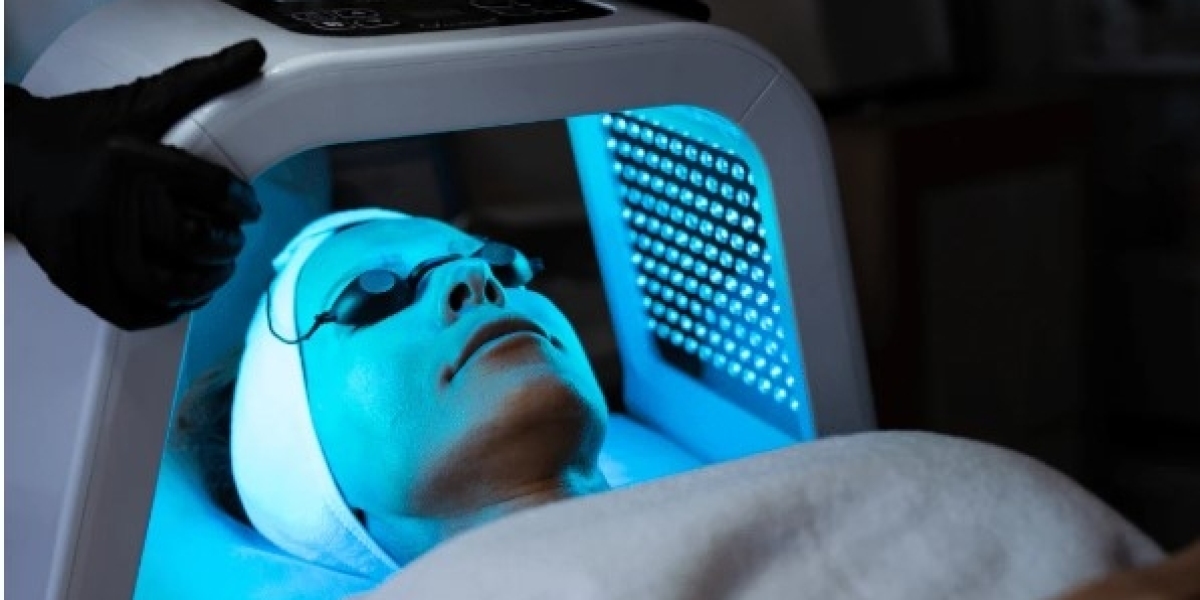
The LED device is placed over the face, often with protective eyewear for both you and the therapist. Sessions typically last between 10 and 20 minutes. Many people find the light warm and relaxing.
Step Four: Finishing Care
The session usually ends with hydrating or calming products and advice on sun protection and aftercare.
Benefits of LED Light Therapy
When used as part of a professional facial, LED therapy may offer:
- Gentle, comfortable treatment with no downtime.
- Support for calmer-looking skin for some people with redness or sensitivity.
- Complementary benefits when combined with cleansing, exfoliation, or hydration.
- A relaxing experience that suits people new to facials.
LED therapy is not a standalone cure. It is best considered a supportive treatment rather than a substitute for medical care or a complete skincare routine.
Who LED Light Therapy May Suit
LED light therapy may suit people who:
- Have mild breakouts and want a gentle, non-invasive option.
- Notice redness, sensitivity, or uneven tone.
- Want a treatment with minimal downtime.
- Are looking to add a light-based step to a regular facial.
- Want to try a comfortable treatment before considering more intensive options.
Risks and Who Should Be Careful
LED therapy is generally considered low risk, but it is not suitable for everyone. Possible effects include temporary warmth, mild redness, or a feeling of dryness. Some people may notice a slight sensitivity afterwards.
You should speak to a doctor or qualified professional before booking if you:
- Are pregnant or breastfeeding.
- Take medications that increase light sensitivity, such as some antibiotics or acne treatments.
- Have photosensitive conditions, such as lupus or certain skin disorders.
- Have a history of skin cancer or pre-cancerous skin changes.
- Have epilepsy or are sensitive to flashing lights, depending on the device.
- Have recently had laser treatment, chemical peels, or other procedures on the face.
- Have a skin condition such as rosacea, eczema, or psoriasis.
A therapist can assess suitability but cannot diagnose conditions. If you notice a mole or skin change that is unusual, see a doctor.
Realistic Expectations: How Many Sessions Do You Need?
LED therapy is rarely an instant fix. Many people need a series of sessions spaced a few weeks apart before they notice changes. Results depend on your skin type, your concerns, and how consistently you follow aftercare. Ask your therapist to explain a realistic plan and how progress will be monitored.
LED Light Therapy Aftercare
Good aftercare helps you get the most from each session.
- Wear sunscreen daily. Choose a broad-spectrum product with at least SPF 30, even on cloudy days.
- Keep your routine gentle. Avoid harsh scrubs, strong acids, and retinoids for a few days unless advised otherwise.
- Hydrate well. Drinking water and using a simple moisturiser support healthy skin.
- Be patient. Give your skin time to respond between sessions.
- Track your progress. Take photos in the same lighting every few weeks.
How to Choose an LED Facial Melbourne Clinic
Look for a clinic with trained therapists who explain the technology, its limitations, and the evidence behind their recommendations. Ask about the device used and how it is maintained. A reputable clinic will tailor the treatment to your skin, avoid making dramatic promises, and offer a clear plan rather than a large upfront package.
Conclusion: Is LED Light Therapy Right for You?
LED light therapy is a comfortable, non-invasive option that can complement a professional facial. It works best for people with realistic expectations, and it is most effective as part of a consistent routine. If you are considering LED facial Melbourne treatment, a consultation can help you decide whether it suits your skin.
To learn more about the service, visit the LED Facial Therapy page at Beauty By Dua.
About the Author
Dua Fakhereddin is a Holistic Skin Therapist and qualified Acne Specialist based in Melbourne, and a certified SafeSkin practitioner through ABIC. Her approach combines advanced facial treatments with personalised guidance on nutrition, supplements, and skincare. Learn more on the About Us page.