
Introduction
Not every meal creates the same dining experience. A quick breakfast, a light afternoon snack, and a full-course dinner each have different needs. While the food and serving style naturally receive the most attention, small details such as cloth napkins can make the table more comfortable and convenient.
Choosing napkins for different meal portions does not mean buying a separate collection for every occasion. Instead, consider how you eat, how long you spend at the table, and how much flexibility you want from your everyday dining essentials. A few thoughtfully selected styles can work across many meals without making your kitchen storage complicated.
1. Choose Simple Napkins for Light Meals
Light meals such as toast, fruit, cereal, or a quick sandwich usually call for an uncomplicated table setup. A simple napkin that is easy to reach and comfortable to use is often all you need.
For these meals, consider neutral colors or understated patterns that work with your everyday plates and bowls. You do not need to reserve decorative napkins for every breakfast or snack. A practical design can fit naturally into your daily routine.
Cotton napkins can be a useful option for frequent use, provided you follow the product's washing and drying instructions. Keeping a few within easy reach can make it simpler to maintain a consistent table setup throughout the week.
2. Consider the Needs of a Full Lunch
Lunch can range from a quick salad to a warm meal with several dishes. When choosing napkins, think about the foods you commonly serve and how much time you spend at the table.
Meals that include sandwiches, dressings, dips, or saucy dishes may call for napkins that are comfortable to handle and easy to launder. Choose fabric and construction based on the care instructions and your household's routine rather than appearance alone.
For a family lunch, place one napkin at each setting before serving. This keeps the table organized and helps everyone settle in without needing to look for napkins after the meal begins.
3. Select Napkins That Work for Multi-Course Dinners
A dinner with several courses often lasts longer than a quick weekday meal. During these occasions, napkins become part of the overall dining arrangement as well as a practical item.
Dinner napkins can be selected to complement the plates and serving pieces without competing with them. Solid colors are versatile, while subtle patterns can add interest to a simple table.
For a more formal meal, consider Linen napkins if their natural appearance suits your preferred setting. For casual family dinners, simpler cotton styles may be easier to incorporate into regular use. The right choice depends on your taste, budget, and willingness to maintain each fabric.
4. Keep Snack-Time Napkins Easy to Access
Snacks are often eaten between scheduled meals, sometimes at the kitchen counter, on the sofa, or at a small table. Keeping a few clean napkins in a convenient location can make these moments easier to manage.
A small basket in the kitchen or a designated drawer can hold napkins for quick snacks. Choose a storage location that stays clean and dry, and keep used napkins separate from the fresh ones.
For snacks involving fruit, crackers, or baked goods, a simple napkin can be sufficient. For foods that are especially sticky or greasy, choose an appropriate cleanup method and avoid using delicate napkins for messes that could damage the fabric.
5. Match Your Napkin Supply to Your Eating Habits
The number of napkins you need depends more on your actual routine than on the number of meals listed in a schedule.
If you eat most meals at home, you may need enough napkins to cover repeated daily use until the next laundry day. If you mainly use them for dinner, a smaller collection might be sufficient.
To estimate your needs, track how many napkins your household uses over several days. Include snacks, packed meals, and occasions when visitors join you. Then keep a few extras for unexpected changes.
This approach helps you avoid buying too many napkins while ensuring you have clean ones available when needed.
6. Build a Flexible Collection Instead of Buying for Every Meal
You do not need a different napkin style for breakfast, lunch, snacks, and dinner. A coordinated collection can serve several purposes if the designs are versatile and the fabrics suit your daily routine.
Consider starting with a few solid colors that work with your existing dinnerware. Add a patterned option if you enjoy changing the table's appearance. This makes it easier to create different looks without filling your cabinets with items you rarely use.
If you prefer a more personal touch for dinner parties or celebrations, custom napkins can provide an additional option. Keep them alongside your everyday collection rather than making them the only napkins available for routine meals.
7. Make Cleanup Part of the Meal Routine
A simple cleanup routine can help keep your napkin collection manageable. After each meal, separate used napkins from clean ones and check for visible food marks before placing them in the laundry.
Follow the manufacturer's care instructions for washing, drying, and ironing. Avoid assuming that every fabric should be treated in the same way. Some materials may need gentler handling or different drying conditions.
Once the napkins are dry, fold them and return them to their designated storage area. Consistent handling makes it easier to find what you need for the next meal and helps keep the dining space organized.
8. Use the Same Napkins Across Different Dining Settings
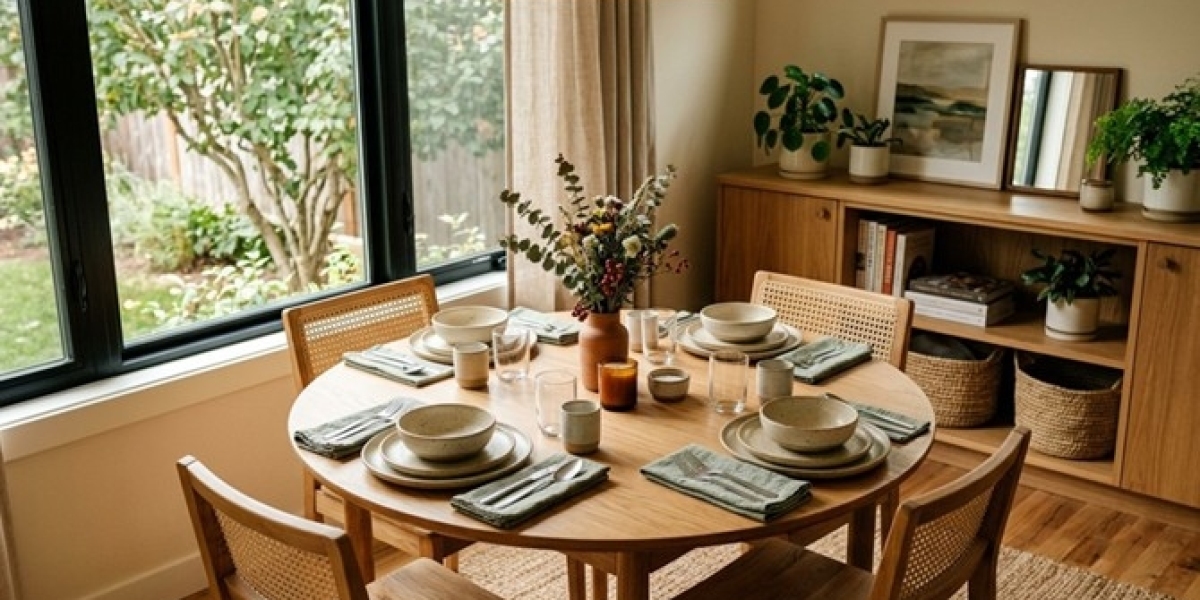
A versatile set of cloth napkins can move easily between everyday breakfasts, packed lunches at home, and relaxed evening dinners. You can change the way the table looks with different plates, serving dishes, or simple centerpieces while keeping the same practical napkins in rotation.
This approach is particularly useful in smaller homes where storage space is limited. Rather than maintaining multiple sets for every meal type, select designs that fit most of your dining needs.
When choosing a new collection, think about how often you will use it, how it will be washed, and whether it works with your existing tableware. These practical considerations are often more useful than choosing a style for a single type of meal.
Conclusion
The best cloth napkins for your home are the ones that fit naturally into the way you eat. Light snacks may need a simple, accessible option, while longer dinners can benefit from napkins that complement the overall table setting.
By choosing versatile cotton napkins, exploring the natural look of Linen napkins, and keeping enough dinner napkins available for your household, you can create a flexible collection without unnecessary clutter. All Cotton and Linen offers options to explore when choosing reusable napkins for everyday meals and special dining occasions.










