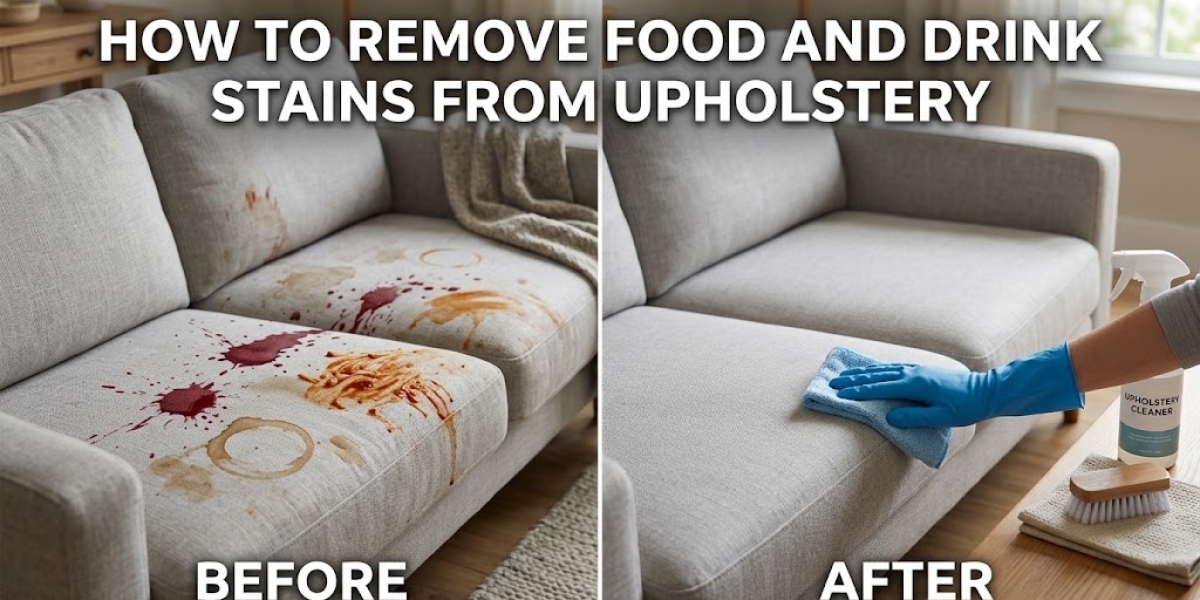

Food and drink spills are a normal part of everyday life, especially when you enjoy meals on the sofa, relax with a cup of coffee, or spend time with family and friends in the living room. Unfortunately, one small accident can leave an unwanted mark on your favorite upholstered furniture. Coffee, juice, chocolate, tomato sauce, and greasy foods can quickly turn a clean-looking couch into a stained surface.
The good news is that many upholstery stains can be removed with the right approach. If you need advice from Couch Cleaners San Diego, understanding the basics of stain removal can help you protect your furniture between professional cleanings. The most important steps are to act quickly, identify the type of stain, and use a cleaning method that suits your upholstery fabric.
Not every stain requires an expensive cleaning product or complicated treatment. Sometimes, a clean cloth and a little patience are enough to lift a fresh spill. However, using too much water, scrubbing aggressively, or applying the wrong solution can make the problem worse. This guide explains how to remove common food and drink stains safely while keeping your upholstered furniture looking fresh and comfortable.
Why Food and Drink Stains Can Be Difficult to Remove
Upholstery fabrics are designed for comfort and appearance, but their fibers can absorb liquids and trap food particles. Once a spill penetrates the surface, it may spread into the padding beneath the fabric, making it more difficult to remove completely.
Different stains create different challenges. Coffee and tea can leave discoloration, while red wine and fruit juice contain pigments that may cling to fibers. Greasy foods can leave oily residues, and sauces may combine oils, colors, and food particles in one stubborn mark.
The fabric itself also matters. Cotton, polyester, microfiber, linen, velvet, and other upholstery materials respond differently to moisture and cleaning products. Before treating a stain, check the furniture manufacturer's instructions or the cleaning code on the upholstery label.
Common codes include:
- W: Water-based cleaning products may be suitable.
- S: Solvent-based cleaning products are recommended.
- WS: Water-based or solvent-based products may be permitted, depending on the manufacturer's instructions.
- X: Professional cleaning or vacuuming only; avoid applying cleaning solutions yourself.
If the label is missing or unclear, contact the manufacturer or a qualified upholstery cleaning professional before using a new product.
Step 1: Remove Excess Food and Liquid Immediately
The first few minutes after a spill can make a significant difference. Fresh stains are generally easier to treat because the liquid has had less time to settle into the upholstery fibers.
Blot the spill instead of rubbing it
Use a clean, absorbent white cloth or paper towel to gently blot the affected area. Press lightly to absorb the liquid, then move to a clean section of the cloth as it becomes damp.
Avoid rubbing back and forth. Scrubbing can push the stain deeper into the fabric, spread it across a larger area, and damage delicate fibers.
Remove solid food carefully
If the spill contains crumbs, chocolate, sauce, or other solid material, lift it gently with a spoon or a dull-edged utensil. Work from the outside of the spill toward the center to help prevent spreading.
Do not press food particles into the fabric. If the food has dried, loosen it gently rather than scraping aggressively.
Step 2: Identify the Type of Stain
Before choosing a cleaning method, consider what caused the mark. Different spills may require different treatments, and using the wrong approach can leave residue or permanent discoloration.
How to remove coffee and tea stains
Coffee and tea can leave brown marks, particularly on light-colored upholstery. Start by blotting away as much liquid as possible.
For fabric labeled as suitable for water-based cleaning, lightly dampen a white cloth with cool water and blot the stain. If the mark remains, use a small amount of upholstery cleaner approved for that fabric. Follow the product instructions and avoid soaking the cushion.
Coffee containing milk, cream, or sugar may leave additional residue. Treating these spills promptly can help prevent lingering odors and sticky buildup.
How to remove red wine and juice stains
Red wine, grape juice, and brightly colored fruit drinks can be challenging because their pigments may cling to fabric fibers.
First, blot the liquid gently without rubbing. For water-safe upholstery, use a clean cloth lightly dampened with cool water to lift remaining residue. Work from the outside inward to limit the spread of the stain.
Avoid using hot water or applying bleach. Heat can make some stains more difficult to remove, and bleach may cause irreversible color damage.
If the stain remains visible after gentle treatment, an upholstery cleaner formulated for the fabric may be necessary.
How to remove tomato sauce and ketchup stains
Tomato-based foods often contain both pigments and oils, making them more difficult to remove than simple water spills.
Lift excess sauce with a spoon, taking care not to push it into the fibers. Blot the remaining mark with a clean cloth. If the upholstery permits water-based cleaning, use a small amount of suitable upholstery cleaner according to its directions.
Avoid pouring cleaning solution directly onto the stain. Too much moisture can spread the colored residue into surrounding fibers or the cushion filling.
How to remove grease and oily food stains
Butter, salad dressing, pizza grease, and other oily foods can leave dark patches that remain visible even after the surface appears clean.
Begin by lifting away solid food and blotting excess oil with an absorbent cloth. Do not add water immediately if the fabric requires solvent-based cleaning.
Use only a product approved for the upholstery's cleaning code. Some fabrics respond poorly to water, and certain solvents can affect dyes, finishes, or adhesives. If the stain is large or deeply embedded, professional cleaning is often the safer option.
How to remove chocolate and sugary stains
Chocolate may contain cocoa, oils, milk, and sugar, so it can leave both a colored mark and a sticky residue.
Allow melted chocolate to cool slightly if necessary, then carefully remove excess material without spreading it. Blot the area with a clean cloth and use an appropriate upholstery cleaner if the fabric permits it.
Sugary drinks and desserts also deserve attention because residual sugar can attract dirt. Even if a spill no longer looks noticeable, cleaning away the remaining residue can help keep the area from becoming sticky or attracting new soil.
Step 3: Use a Suitable Upholstery Cleaning Solution
Once you have removed the excess spill, choose a cleaning solution appropriate for the fabric. A product designed specifically for upholstery is usually preferable to an all-purpose household cleaner.
Test the product before cleaning
Always test a cleaning solution on a hidden area first. Apply a small amount as directed, wait for the recommended period, and check for changes in color, texture, or finish.
If the fabric changes color, becomes rough, or shows signs of damage, stop using the product.
Apply the cleaner sparingly
Follow the cleaner's instructions carefully. In most cases, a small amount is better than saturating the material.
Use a white cloth to work gently on the stain, and avoid transferring colored dyes from cleaning cloths onto the upholstery. Blot rather than scrub, and repeat the process only as recommended.
For fabrics labeled S or X, do not assume that a water-based cleaning method is safe. Follow the specific care instructions or seek professional assistance.
Step 4: Remove Residue and Allow the Fabric to Dry
Cleaning a stain is only part of the process. Leftover cleaning solution can attract dirt, create a stiff texture, or leave a visible ring as the upholstery dries.
For water-safe fabrics, follow the cleaner's instructions for removing any remaining residue. This may involve lightly blotting with a clean cloth dampened with water, provided the product and fabric permit it.
Next, use a dry towel to absorb as much moisture as possible. Allow the furniture to air-dry with good ventilation. Opening windows or using a fan can help improve airflow.
Avoid sitting on damp cushions until they are sufficiently dry. Excess moisture trapped inside upholstery may contribute to musty odors or other moisture-related problems.
If the stain reappears after drying, residue may remain deeper in the fibers, or the original spill may have penetrated the cushion. Repeatedly wetting the area can make matters worse, so consider professional cleaning instead.
Common Upholstery Cleaning Mistakes to Avoid
Even well-intentioned cleaning efforts can damage furniture when the wrong technique is used. Keep these common mistakes in mind when treating food and drink spills.
Scrubbing too aggressively
Hard scrubbing can distort fabric fibers, spread stains, and create worn-looking patches. Gentle blotting is usually the better starting point.
Using too much water
Overwetting can push a stain deeper into the cushion and make drying difficult. Use only the amount of moisture recommended for the upholstery and cleaning product.
Mixing household cleaning products
Combining bleach, vinegar, ammonia, or other cleaning chemicals can create dangerous fumes or damage fabric. Never mix cleaning products unless their manufacturers explicitly confirm that doing so is safe.
Using untested home remedies
Baking soda, vinegar, dish soap, and other household products are sometimes suggested for upholstery cleaning, but they are not suitable for every material or stain. They can leave residue, affect dyes, or alter delicate finishes.
If you choose a household product, confirm that it is appropriate for your fabric and test it in an inconspicuous location first.
Ignoring old or recurring stains
An old stain may have penetrated beyond the visible surface. Repeatedly applying different products can make removal more difficult and increase the risk of damage. For persistent marks, professional assessment is often the most practical next step.
When Should You Call a Professional Upholstery Cleaner?
Home cleaning can be effective for many small, fresh spills, but some situations require specialized equipment and experience.
Consider professional upholstery cleaning if:
- A stain remains after careful treatment with a fabric-approved cleaner.
- Red wine, coffee, or brightly colored juice has left a noticeable mark.
- Grease has penetrated deeply into the upholstery.
- The furniture has delicate fabric, unusual finishes, or unclear care instructions.
- A stain returns after drying or is accompanied by a persistent odor.
- Multiple spills have left the sofa looking dull or uneven.
Professional cleaners can assess the fabric, identify an appropriate cleaning method, and use specialized equipment to remove embedded soil and residues. Results depend on the fabric, the age of the stain, previous cleaning attempts, and the type of spill, so complete stain removal cannot always be guaranteed.
Getting advice before experimenting with several cleaning products can also help reduce the risk of permanent damage.
How to Prevent Future Food and Drink Stains
Although accidents are inevitable, a few simple habits can make upholstery easier to maintain.
Establish a practical eating area. If possible, enjoy meals at a table rather than directly on upholstered furniture. When eating on the sofa, use a stable tray for drinks and snacks.
Clean spills immediately. Keep a clean white cloth or paper towels nearby so you can absorb fresh spills before they settle into the fabric.
Vacuum regularly. Use an appropriate upholstery attachment to remove crumbs, dust, and loose debris from cushions and crevices. This helps prevent everyday dirt from accumulating.
Follow the manufacturer's care instructions. Regular maintenance should match the fabric's cleaning requirements. Avoid using steam cleaners or wet-cleaning machines unless the manufacturer confirms they are suitable.
Arrange periodic professional cleaning. Depending on how frequently the furniture is used, professional cleaning may help remove accumulated soil that ordinary vacuuming cannot reach. Homes with children, pets, or frequent entertaining may need more frequent attention.
These preventive steps can help preserve your furniture's appearance and make future spills easier to manage.
Conclusion
Removing food and drink stains from upholstery becomes much easier when you act quickly, identify the type of spill, and choose a cleaning method that suits the fabric. Start by lifting away excess food, blotting liquids instead of rubbing, and testing any cleaning product in a hidden area. Use moisture sparingly, avoid harsh chemicals, and allow the furniture to dry thoroughly.
While many fresh stains respond well to careful home treatment, stubborn discoloration, deep grease marks, and delicate fabrics may need professional attention. Knowing when to stop experimenting can save time and help protect your furniture from unnecessary damage.
For homeowners who want to maintain clean, comfortable seating, Coastal Carpet Care can be a resource to explore for professional carpet and upholstery cleaning in San Diego. Combining prompt spill treatment with appropriate routine maintenance can help keep upholstered furniture looking its best for years to come.