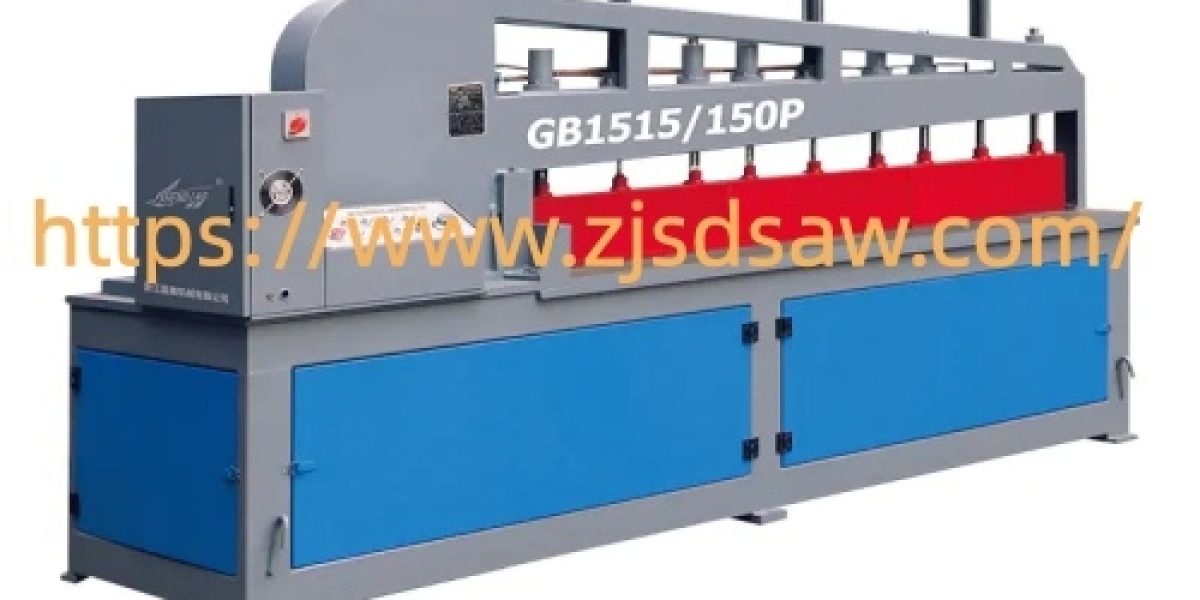

Semi-Automatic Metal Cutting Band Saw Machine operation requires careful preparation, consistent attention, and clear safety procedures. A well organized workshop routine can help operators reduce avoidable risks, protect materials, and maintain a reliable production process. Safe operation begins before the power is switched on and continues until the equipment has stopped completely.
Before starting a job, operators should review the operating manual and confirm that they understand the controls, emergency stop function, guarding system, and approved working procedures. New staff should receive practical instruction from qualified personnel before using industrial equipment independently. Training should cover normal operation, unexpected situations, safe material handling, and the correct response to faults. When procedures are easy to follow, workers can make more informed decisions throughout each shift.
Personal protective equipment also deserves careful consideration. Safety glasses or suitable eye protection can help shield workers from flying particles and coolant splashes. Protective footwear can reduce the risk of injury from dropped stock, while hearing protection may be necessary when workplace noise assessments indicate a need. Gloves require special attention. Loose gloves, sleeves, jewelry, and other items that could become caught in moving parts should be kept away from operating equipment. Workers should follow the manufacturer instructions and workplace rules when selecting suitable protection.
A careful inspection before each shift can identify problems that might otherwise interrupt work. Check that guards are correctly positioned, electrical connections appear intact, and emergency controls are accessible. Look for visible damage, loose fasteners, worn components, fluid leaks, or unusual signs of wear. Any defect that could affect safe operation should be reported promptly. Equipment with a suspected safety fault should remain out of service until an authorized person has assessed and addressed the issue.
Material preparation is another important part of workplace safety. Stock should be checked for its dimensions, weight, shape, and condition before it is placed on the support table. Long or heavy sections may require additional supports to prevent tipping or unexpected movement. Clamps and securing devices should hold the material firmly throughout the process. Operators should confirm that the selected settings match the material requirements and that the work area provides enough room for loading, unloading, and handling finished pieces without creating unnecessary hazards.
During operation, workers should maintain a safe distance from moving components and never reach across an active working area. Hands should remain clear of the blade path, feed mechanism, and other moving assemblies. Adjustments, cleaning, and removal of trapped material must follow the approved shutdown and isolation procedure. Reaching into an operating unit to correct a problem can expose a worker to serious injury, even when the task appears brief. If material shifts, unusual vibration develops, or the process behaves unexpectedly, stop the equipment and investigate only when it is safe to do so.
Housekeeping supports safety throughout the working day. Keep floors free from loose stock, spilled coolant, scattered chips, and discarded packaging. Use suitable tools or approved methods to remove metal fragments rather than handling sharp waste directly. Maintain clear access to emergency stops, electrical isolation points, walkways, and fire safety equipment. Good lighting also helps workers inspect material, read controls, and notice hazards before they become more difficult to manage.
Maintenance should be planned according to the manufacturer recommendations and the demands of the production environment. Before service work begins, isolate the power supply and follow the required lockout procedure to prevent unexpected activation. Only trained and authorized personnel should carry out repairs, blade replacement, electrical work, or adjustments that involve hazardous components. Maintenance records can help teams track recurring problems, monitor component condition, and arrange service before a minor issue develops into a larger disruption.
A safe workplace also depends on communication. Supervisors should encourage workers to report near misses, damaged guards, unusual sounds, and operating difficulties without delay. Shift handovers should include information about unresolved faults and maintenance requirements. Regular safety reviews can identify gaps in training and help update procedures when materials, workloads, or production arrangements change. These habits allow the team to treat safety as an ongoing responsibility rather than a one time checklist.
Choosing suitable equipment is part of this wider approach. Buyers should compare capacity, control arrangements, guarding, service support, and compatibility with their intended production tasks. Clear documentation and accessible technical assistance can help operators follow appropriate procedures over the working life of the equipment. Chendiao provides industrial sawing solutions for businesses evaluating their workshop requirements. To review available products and learn more about the company, visit https://www.zjsdsaw.com/ and consider how the available equipment may fit your material handling needs, operating procedures, and production environment.