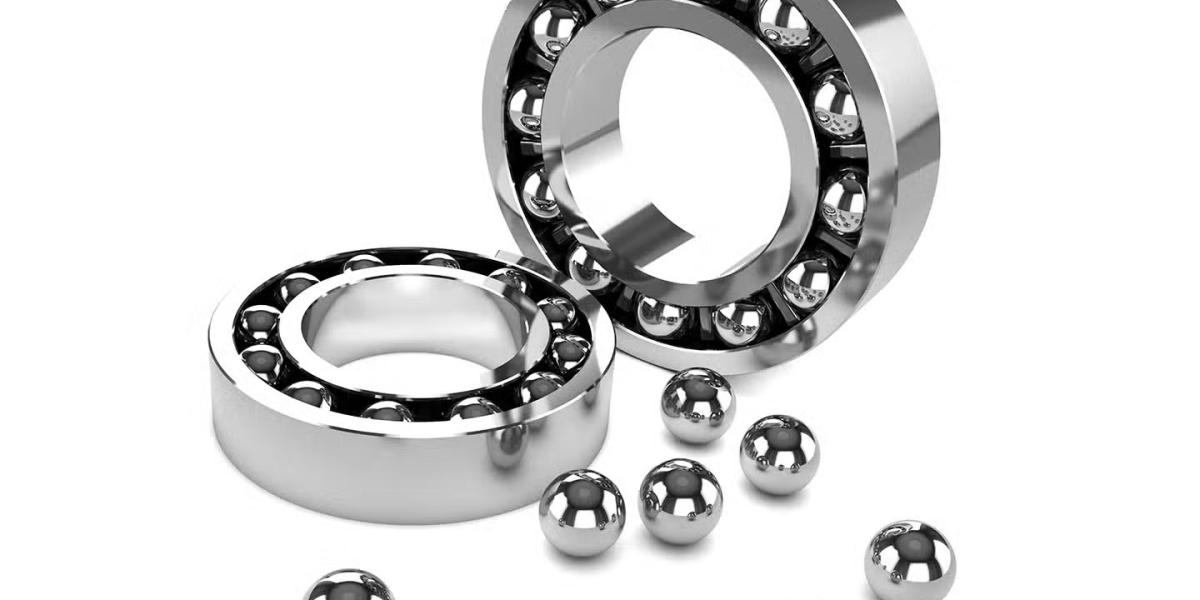

A ball bearing is an important mechanical component that helps machines run smoothly by reducing friction between moving parts. It supports rotating shafts, carries loads, and helps prevent unnecessary wear. Ball bearings are commonly found in electric motors, pumps, vehicles, fans, and industrial machinery.
Choosing the correct ball bearing can improve equipment performance, reduce maintenance needs, and support reliable operation.
What Is a Ball Bearing?
A ball bearing is a type of rolling element bearing that uses small balls positioned between two circular rings. These balls allow the rings to rotate relative to each other with less friction.
A typical ball bearing contains four main components:
Inner ring: Fits onto the rotating shaft.
Outer ring: Fits inside the machine housing.
Balls: Roll between the rings and transfer loads.
Cage: Keeps the balls evenly spaced during operation.
Some bearings also include seals or shields to protect against dust, dirt, and moisture.
How Does a Ball Bearing Work?
A ball bearing works by replacing much of the sliding friction between moving surfaces with rolling contact.
When the shaft rotates, the inner ring usually turns with it. The balls roll along the raceways between the inner and outer rings, allowing smooth rotation while supporting the applied load.
This design helps reduce friction, minimize wear, and improve mechanical efficiency.
Depending on the bearing type, it can support radial loads, axial loads, or a combination of both.
What Are the Main Types of Ball Bearings?
Different applications require different bearing designs. The most common types include:
Deep Groove Ball Bearings
Deep groove ball bearings are widely used because of their simple design and versatility. They support radial loads and moderate axial loads in both directions.
They are commonly used in motors, pumps, fans, and household appliances.
Angular Contact Ball Bearings
Angular contact ball bearings are designed to handle combined radial and axial loads. They are suitable for machinery that requires accurate rotation and reliable performance at higher speeds.
Common applications include machine tools, precision spindles, and industrial equipment.
Thrust Ball Bearings
Thrust ball bearings are designed primarily to support axial loads.
They are often used in rotating tables, certain vertical shaft assemblies, and equipment where loads act along the shaft.
Self-Aligning Ball Bearings
Self-aligning ball bearings can accommodate limited angular misalignment between the shaft and housing.
They are useful in conveyors, agricultural machinery, and industrial equipment.
Miniature Ball Bearings
Miniature ball bearings are designed for compact equipment where space is limited.
They are commonly found in small motors, medical instruments, electronic devices, and precision machinery.
Where Are Ball Bearings Used?
Ball bearings are used across many industries to support rotating components and reduce friction.
Automotive industry: Used in selected wheel assemblies, transmissions, and accessory systems.
Electric motors: Support rotating shafts and help maintain smooth operation.
Industrial pumps: Help rotating parts operate efficiently under continuous working conditions.
Manufacturing equipment: Used in conveyors, machine tools, and production machinery.
Household appliances: Found in washing machines, fans, and other motor-driven devices.
Agricultural machinery: Support rotating components in equipment operating under demanding conditions.
What Are the Benefits of Ball Bearings?
Ball bearings offer several advantages when correctly selected and installed.
Reduced friction: Allow rotating parts to move with less resistance.
Smooth operation: Support consistent shaft rotation.
High-speed capability: Many designs are suitable for high rotational speeds.
Compact construction: Available in different sizes for various machines.
Improved efficiency: Help reduce mechanical energy losses.
Reliable performance: Can provide long service life under suitable operating conditions.
Actual performance depends on bearing design, lubrication, load, and maintenance.
What Materials Are Ball Bearings Made From?
Ball bearings are manufactured from different materials depending on their applications.
Chrome steel: Commonly used because of its hardness, strength, and wear resistance.
Stainless steel: Provides improved corrosion resistance in suitable environments.
Ceramic: Used in specialized applications where certain speed, weight, or electrical properties are important.
Hybrid bearings: Combine steel rings with ceramic balls for specific performance requirements.
How Do You Choose the Right Ball Bearing?
Choosing a suitable bearing requires understanding the machine's operating conditions.
Check the Bearing Dimensions
Measure the inner diameter, outer diameter, and width. The bearing must match the shaft and housing specifications.
Understand the Load Requirements
Identify whether the application involves radial loads, axial loads, or both. Select a bearing with suitable load ratings.
Consider Operating Speed
Different bearing designs have different speed limits. Choose one that can operate safely at the required rotational speed.
Evaluate Environmental Conditions
Temperature, dust, moisture, and vibration can affect bearing performance. Select suitable materials, seals, and lubrication.
Check Lubrication Requirements
Proper grease or oil lubrication helps reduce wear and prevent premature bearing failure.
How Can You Extend Ball Bearing Life?
Regular maintenance can help improve bearing reliability and reduce unexpected equipment failures.
Use the correct lubricant.
Keep bearings protected from dirt and moisture.
Avoid excessive loads and operating speeds.
Check for unusual noise, vibration, or temperature changes.
Install bearings using suitable tools.
Inspect shaft alignment and housing conditions.
Why Choose TFL Bearing?
TFL Bearing provides bearing solutions for industrial machinery, electric motors, pumps, and other mechanical applications.
Customers can explore different bearing types and specifications to find suitable products for their operating requirements.
Visit TFL Bearing to explore available bearing products and learn more about industrial bearing solutions.
Frequently Asked Questions
What Is the Main Purpose of a Ball Bearing?
A ball bearing reduces friction, supports mechanical loads, and allows rotating parts to move smoothly.
What Is the Most Common Ball Bearing Type?
Deep groove ball bearings are among the most widely used types because they are versatile and suitable for many applications.
Can Ball Bearings Handle High Speeds?
Yes. Many ball bearings are designed for high-speed applications, depending on their design, lubrication, and operating conditions.
Do Ball Bearings Require Lubrication?
Yes. Most ball bearings require grease or oil to reduce friction, control wear, and maintain reliable operation.
What Causes Ball Bearing Failure?
Common causes include poor lubrication, contamination, excessive loading, incorrect installation, and misalignment.
Conclusion
Ball bearings are essential components in modern machinery. They reduce friction, support rotating shafts, and help equipment operate smoothly.
Understanding bearing types, materials, applications, and maintenance requirements makes choosing the right product easier. TFL Bearing offers industrial bearing solutions for a wide range of machinery and operating conditions.