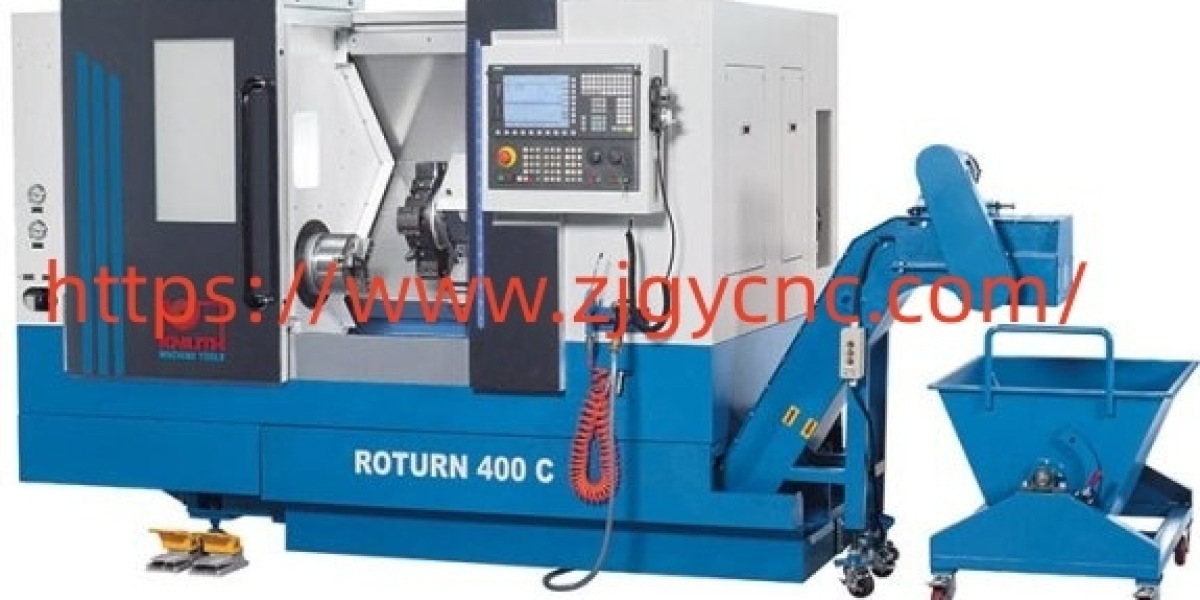

Compact CNC Lathe purchasing decisions should begin with a detailed review of the actual production tasks, not simply the machine dimensions or quoted price. For manufacturers, component suppliers, and workshop owners, the equipment must correspond with the parts being processed, the expected workload, and the available working environment. Before placing an order, buyers should prepare a practical checklist covering technical specifications, machine construction, inspection procedures, installation requirements, and supplier communication. This approach makes discussions with a manufacturer more specific and helps reduce uncertainty during purchasing.
Prepare Representative Workpiece Information
Before requesting a quotation, buyers should identify the components they intend to manufacture. Important information includes workpiece diameter, length, material, weight, and required machining operations. These details help determine the working range, clamping method, tooling arrangement, and other configuration requirements.
For example, a workshop producing short shafts may have different requirements from a business processing sleeves, bushings, pins, or threaded fittings. Buyers should prepare several representative drawings rather than relying on a general description of the product.
It is also useful to provide expected production quantities. Occasional sample processing, small batches, and repeated production orders can involve different operating arrangements. Clear information at this stage gives the manufacturer a practical basis for discussing suitable machine options.
Review the Main Mechanical Components
Machine construction deserves careful attention because different structural arrangements influence installation, movement, and maintenance. Buyers should ask about the guideway type, ball screw arrangement, spindle configuration, lubrication method, and machine frame.
The product range presented by zjgycnc includes a configuration featuring precision line rails and a quantitative automatic lubrication system for the guide rails and ball screw. Buyers interested in this arrangement can ask for further technical information about its structure, lubrication intervals, and applicable maintenance procedures.
Rather than comparing individual components in isolation, purchasing teams should consider how the mechanical systems work together under their planned operating conditions. Technical drawings and specification sheets can help clarify these details before an order is confirmed.
Confirm Control System Requirements
The control system affects programming, operation, and the way operators manage daily machining tasks. Buyers should consider their team's existing experience, programming preferences, and production workflow before choosing a configuration.
Some workshops may already use a particular control platform, while others may be preparing to introduce automated turning processes for the first time. In either situation, it is worth asking about available control options, interface operation, parameter adjustment, and technical documentation.
The product page provides optional control system configurations for certain models. Buyers can discuss their preferred setup with the manufacturer and confirm which options are available for the intended machine. This conversation can also cover operator training and the information required for routine operation.
Examine Tooling and Workholding Arrangements
Tooling and workholding have a direct relationship with the components being processed. Buyers should identify whether their regular tasks involve external turning, facing, grooving, threading, boring, or drilling.
The chuck or collet arrangement should also correspond with workpiece dimensions and material characteristics. An unsuitable holding method may affect setup convenience and machining consistency.
Before purchasing, buyers can provide sample drawings and ask the manufacturer to clarify compatible tooling arrangements. If additional accessories or fixtures are required, these should be included in the purchasing discussion. Confirming the configuration in advance helps avoid unexpected requirements after equipment delivery.
Ask How the Machine Is Inspected Before Delivery
A machine purchase should include a clear understanding of the inspection and testing process. Buyers can ask how the equipment is assembled, adjusted, checked, and prepared before shipment.
Useful topics include spindle operation, axis movement, lubrication system checks, control system testing, and general machine condition. If the buyer has particular acceptance requirements, these should be communicated before production or final inspection.
It is also reasonable to request available inspection records, operating instructions, and technical documents. For overseas customers, clear documentation can make installation preparation and communication with local technicians more manageable.
Check Installation and Maintenance Conditions
The available workshop area should be measured before confirming the machine configuration. Buyers need to consider the equipment footprint, loading access, operator position, electrical supply, material storage, and space for routine maintenance.
Maintenance planning should cover lubrication, cleaning, inspection points, and spare parts. Buyers can ask which components require periodic attention and whether maintenance instructions are supplied with the machine.
These details matter because installation is only one stage of equipment use. A practical maintenance arrangement can help workshop staff organize regular checks and understand their responsibilities during daily operation.
Clarify the Order and Communication Process
Before confirming an order, buyers should review the quotation, selected configuration, included accessories, delivery schedule, packaging requirements, and payment arrangements. Any customized requirements should be recorded in writing so that both parties have a clear reference.
For buyers comparing different equipment options, zjgycnc can discuss application details, control preferences, mechanical configurations, and project requirements. Sharing drawings, material information, and estimated production quantities can make the discussion more productive.A well-prepared purchasing checklist gives buyers a clearer way to evaluate equipment before making a commitment. Reviewing workpiece requirements, mechanical construction, control options, tooling, inspection procedures, and installation conditions can help prevent avoidable misunderstandings during the order process. Manufacturers planning a new machining project or updating an existing workshop can visit https://www.zjgycnc.com/ to review available equipment and contact the team about their application requirements.