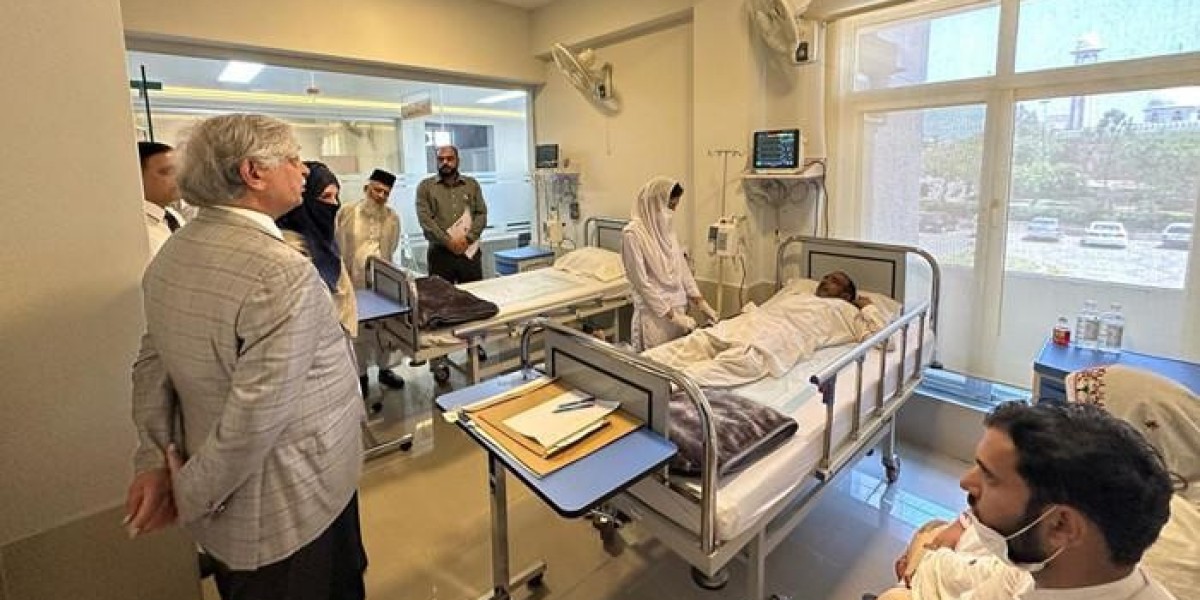

Most patients think the hardest part of illness is treatment—but in reality, recovery can be even tougher. In Rawalpindi, a new generation of nursing hospitals is stepping in to fill that gap.When Mr. Ahmed’s mother returned home after heart surgery, her recovery stalled. Only after moving her to a local nursing hospital did her health and her smile begin to return.
Understanding the Growing Role of Nursing Hospitals in Rawalpindi
Rawalpindi has long been recognized for its expanding healthcare sector, yet one area that has seen significant transformation in recent years is nursing care. The rise of Rawalpindi nursing hospitals marks an important shift toward a more holistic model of patient well-being—where medical treatment is only one part of recovery, and emotional and physical support play equally vital roles.
Unlike large general hospitals that focus primarily on diagnosis and procedures, nursing hospitals specialize in continuous, round-the-clock patient care. These facilities are designed for individuals recovering from surgery, managing chronic illnesses, or needing long-term assistance after major health events. For families, they serve as a bridge between hospital discharge and full home recovery.
The Gaps in Post-Hospital Recovery
For many patients in Rawalpindi and nearby areas, recovery does not end once they leave a major hospital. While discharge may signal improvement, the journey to full health can be slow and filled with challenges—especially for elderly individuals or those with long-term conditions.
A common problem arises when patients return home without professional support. Even when family members are devoted and caring, most lack medical training to manage wound care, medication schedules, mobility exercises, or sudden complications. This gap often leads to preventable readmissions, infections, or delayed recovery.
In addition, many local families face emotional exhaustion when trying to balance caregiving with work and other responsibilities. In such cases, nursing hospitals fill an essential gap—providing expert care while allowing families peace of mind that their loved ones are in safe hands.
The Hidden Strain on Families and Patients
Consider the experience of Mrs. Farzana, a 62-year-old Rawalpindi resident who underwent knee replacement surgery. After being discharged, she returned home under her daughter’s care. Despite her daughter’s best efforts, Farzana struggled with severe swelling and limited mobility. Lacking proper post-surgical guidance, she developed a minor infection that set her recovery back by weeks.
This story is not uncommon. Many patients discharged from major hospitals face similar challenges. The absence of structured follow-up, physiotherapy, or skilled nursing attention can turn recovery into a stressful ordeal. For the elderly, especially those living in multi-story houses common in Rawalpindi’s older neighborhoods, even climbing stairs can pose serious risk after surgery.
Moreover, emotional health is often overlooked. Patients recovering at home may experience loneliness or anxiety, slowing their overall progress. Family caregivers, on the other hand, deal with guilt and burnout. These silent struggles highlight the need for a system that extends care beyond the hospital ward.
How Nursing Hospitals Fill the Recovery Gap
This is where nursing hospitals have become game-changers. They bridge the crucial gap between hospital discharge and home care, providing an environment that combines medical supervision with comfort and emotional support.
Professional nursing staff ensure patients receive the right medications, wound care, and physical therapy on time. Many facilities also employ dieticians and psychologists to promote holistic healing—addressing both body and mind. The structured environment of a nursing hospital allows doctors to monitor recovery closely, preventing complications before they escalate.
Families often report a visible difference when a loved one transitions to professional nursing care. Patients regain confidence faster, experience fewer setbacks, and feel more supported. For long-term conditions like stroke recovery, cancer rehabilitation, or post-surgical monitoring, these hospitals offer the continuity of care that traditional hospitals cannot sustain for extended periods.
A Real Story from Rawalpindi
At one of the reputable nursing hospitals near Saddar, a middle-aged man named Imran Qureshi was admitted after a major spinal surgery at a private hospital in Islamabad. Imran’s family, living in Satellite Town, initially tried home care but found it overwhelming. His mobility was limited, and he needed professional physiotherapy to regain strength.
Once admitted to the nursing hospital, a personalized care plan was created for him. Nurses assisted him with movement routines, monitored his blood pressure, and ensured his post-operative diet was strictly followed. Weekly doctor visits kept his progress under review. Within two months, Imran was walking with minimal support—something that had seemed impossible when he first left the surgical hospital.
His family credits this recovery to the structured approach and emotional encouragement provided by the nursing staff. “It felt like a second home,” said his wife, describing how staff members celebrated small milestones with him. The experience demonstrates how nursing hospital near me options are not just about convenience—they are about choosing the right environment for sustained healing.
How Technology Is Enhancing Nursing Care in Rawalpindi
Modern healthcare is no longer limited to manual observation and handwritten charts. Several nursing hospitals are now integrating technology to make patient care more precise and proactive.
Many have adopted digital monitoring systems that record vital signs in real time, reducing the chances of oversight. Electronic health records (EHRs) ensure that every nurse and doctor involved in a patient’s treatment can instantly access medical updates, test results, and past prescriptions. This minimizes human error and streamlines communication across departments.
Some hospitals have introduced telehealth follow-ups, allowing families to virtually consult with doctors about ongoing care without needing to travel frequently. This feature is particularly beneficial for patients coming from nearby cities like Gujar Khan, Taxila, or Murree, where commuting can be difficult.
Additionally, digital physiotherapy tracking and automated medication reminders are becoming increasingly common—making recovery smoother and safer for patients. These advances show how Rawalpindi’s healthcare sector is embracing innovation while keeping its focus on compassion and trust.
The Heart of Nursing Hospitals
Technology alone, however, cannot replace the human connection at the core of nursing care. Skilled nurses are the backbone of these hospitals. In Rawalpindi, nursing schools and hospital-based training programs are equipping professionals with both clinical skills and empathy—a combination that makes all the difference in recovery outcomes.
Most staff at nursing hospitals undergo specialized training in wound management, elderly care, and patient communication. They are taught not only how to follow treatment plans but also how to listen, reassure, and motivate. This emotional intelligence often determines how quickly patients recover and how confident they feel throughout the process.
Nurses also play a key role in educating families. They guide relatives on post-discharge care, medication routines, and diet management—ensuring that healing continues even after the patient returns home.
Choosing the Right Nursing Hospital in Rawalpindi
Selecting the right facility can seem overwhelming, especially when several appear similar on the surface. However, certain factors can help families make informed decisions:
Staff-to-patient ratio: A lower ratio ensures more personalized care.
Availability of specialized services: Look for physiotherapy, diet consultation, and emotional support options.
Cleanliness and comfort: The hospital’s hygiene and atmosphere greatly influence recovery.
Doctor accessibility: Regular physician rounds show commitment to active supervision.
Patient feedback: Real reviews from other families provide insight into care quality.
By assessing these factors, families can confidently choose a nursing hospital that matches their loved one’s needs and ensures continuity of care.
The Future of Nursing Hospitals in Rawalpindi
The healthcare landscape in Rawalpindi is evolving rapidly. As awareness of professional nursing care grows, more families are turning toward these facilities as a dependable alternative to home-based recovery. What was once seen as a luxury is now recognized as a necessity for long-term health management.
In the coming years, we can expect to see further specialization—such as hospitals focusing solely on geriatric care, cardiac rehabilitation, or post-surgical therapy. With better staff training, digital tools, and community outreach, Rawalpindi’s nursing hospitals are set to become a vital component of Pakistan’s broader healthcare system.
Conclusion
The journey to healing doesn’t end when the hospital stay does—it continues through every stage of recovery. That’s where Rawalpindi nursing hospitals make a lasting difference. They combine expert care, emotional understanding, and structured recovery plans to ensure that patients heal completely, both physically and emotionally.
If you or a loved one are searching for the right nursing hospital near me, take the time to explore trusted options in your area. A well-chosen facility can mean the difference between prolonged struggle and confident, supported recovery. Compassionate n