
A wet basement isn’t just a nuisance — it’s a serious threat to the safety and longevity of your home. From structural damage to mold growth, water infiltration can lead to costly repairs if ignored. That’s why Basement waterproofing has become a must for homeowners looking to protect their investment and maintain a healthy living environment.
Water can enter basements in subtle ways: tiny cracks in walls, condensation from high humidity, or poor exterior drainage. Understanding the causes, methods, and benefits of waterproofing is crucial for keeping your home safe, dry, and damage-free.
Why Basement Waterproofing Matters More Than You Think
Many homeowners underestimate the impact of a damp basement. Moisture issues don’t just affect aesthetics; they compromise safety and structural integrity.
Hidden Dangers of a Wet Basement
Structural Damage: Persistent water can erode concrete and weaken the foundation.
Mold and Mildew: Moist conditions create ideal growth environments for harmful fungi.
Health Hazards: Mold spores can trigger allergies, respiratory issues, and skin irritation.
Property Value: A damp basement reduces the resale value of your home significantly.
By investing in proper waterproofing, homeowners prevent these risks before they escalate.
Common Causes of Basement Water Problems
Understanding why water enters your basement is the first step toward prevention.
1. Poor Exterior Drainage
Rainwater can pool around the foundation if gutters are clogged or landscaping slopes incorrectly.
2. Hydrostatic Pressure
Groundwater can push against basement walls, finding its way through cracks and porous concrete.
3. Cracks and Weak Seals
Over time, foundations develop hairline cracks that act as channels for water infiltration.
4. Condensation
Warm, humid air inside the basement can condense on cold walls and floors, creating persistent dampness.
Knowing the root cause allows homeowners to select the right waterproofing solution.
Types of Basement Waterproofing Methods
There isn’t a one-size-fits-all solution. The approach depends on the severity of water intrusion and the structure of the building.
1. Interior Waterproofing
Interior methods focus on managing water that has already entered the basement.
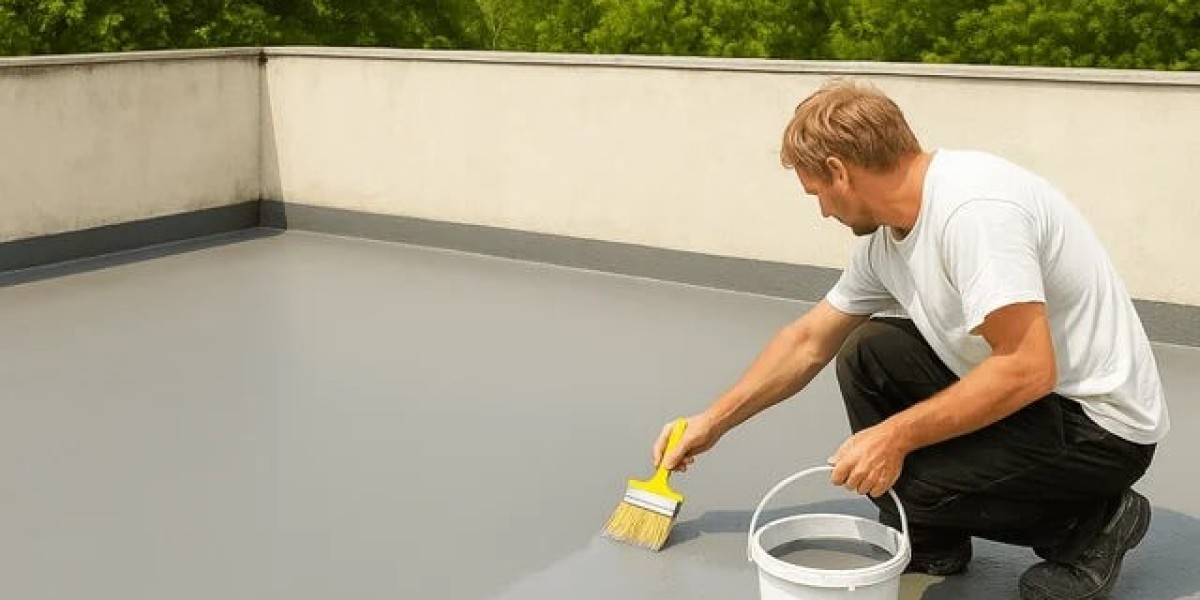
Sealants & Coatings: Waterproof paints or epoxy coatings prevent minor seepage.
Interior Drainage Systems: Perimeter drains channel water to a sump pump.
Dehumidifiers: Reduce indoor humidity and prevent condensation.
Best For: Mild leaks and moisture control.
2. Exterior Waterproofing
Exterior methods prevent water from entering the basement in the first place.
Excavation & Membrane Application: A waterproof barrier is applied to exterior walls.
French Drains: Perforated pipes redirect groundwater away from the foundation.
Proper Landscaping: Ensure the soil slopes away from the house.
Best For: Homes with severe water intrusion or high groundwater levels.
3. Structural Repairs and Crack Sealing
Some basements require direct structural intervention.
Epoxy or Polyurethane Injections: Fill cracks and prevent leaks.
Wall Reinforcement: Strengthen weak or bowing walls to withstand hydrostatic pressure.
Best For: Older homes or properties with recurring leaks.
Signs Your Basement Needs Waterproofing
Early detection can prevent costly damage. Look for these indicators:
Musty odors or visible mold
Water stains or peeling paint on walls
Standing water or damp patches
Warped flooring or water-damaged furniture
Increased indoor humidity
Ignoring these warning signs often results in larger structural problems down the line.
DIY Measures for Basement Moisture Control
While professional waterproofing is recommended for serious issues, homeowners can take proactive steps to reduce moisture:
Seal Minor Cracks: Use epoxy or polyurethane to seal small gaps.
Improve Drainage: Adjust soil grading and clean gutters regularly.
Extend Downspouts: Direct runoff at least six feet away from the foundation.
Install Vapor Barriers: Reduce moisture seeping through walls.
Use Dehumidifiers: Maintain humidity below 50%.
These steps can complement professional waterproofing and prolong the life of the system.
Professional Basement Waterproofing: When to Hire Experts
Some water issues require advanced solutions that only professionals can provide.
Multiple or large cracks in walls
Frequent flooding after rain
Visible structural damage
Persistent mold and odors
Professionals use advanced tools like thermal imaging and moisture mapping to identify issues and provide long-term solutions.
Cost Considerations and Long-Term Savings
Basement waterproofing costs vary depending on method, size, and damage severity:
Method | Cost Range (INR) |
Interior Sealants | ₹100–₹300 per sq. ft. |
Exterior Membrane | ₹300–₹800 per sq. ft. |
French Drain System | ₹1,500–₹3,000 per linear ft. |
Sump Pump Installation | ₹20,000–₹50,000 |
Though the upfront investment may seem high, it prevents much higher repair costs in the future.
Maintenance Tips for a Dry Basement
Even after waterproofing, consistent maintenance ensures long-term effectiveness:
Inspect gutters and downspouts regularly
Check grading after heavy rains
Test sump pumps for proper operation
Clean interior drains and remove debris
Reapply sealants every few years
Routine care maintains a healthy, dry, and safe basement.
Innovations in Basement Waterproofing
The industry has evolved with smarter solutions:
Eco-Friendly Sealants: Safe for both homes and the environment.
Smart Monitoring Systems: IoT devices track moisture levels in real-time.
Self-Healing Membranes: Seal minor cracks automatically.
Integrated Drainage Designs: Built into new constructions for long-term efficiency.
These technologies make basement waterproofing more proactive than ever.
Common Myths About Basement Waterproofing
Myth 1: Only old homes need waterproofing
Reality: New constructions also face moisture issues from groundwater or soil conditions.
Myth 2: Interior coatings alone are enough
Reality: Surface treatments can’t resist hydrostatic pressure from outside.
Myth 3: Waterproofing is too expensive
Reality: Preventive waterproofing costs much less than repairing water damage later.
Myth 4: Small damp spots are harmless
Reality: Even minor moisture can lead to mold and structural damage over time.
Frequently Asked Questions (FAQs)
Q1. Can waterproofing be done during the rainy season?
It’s possible but best to schedule before heavy rains for proper curing.
Q2. How long does it last?
Professional systems can last between 10–25 years depending on the method.
Q3. Is waterproof paint sufficient?
No. It protects against minor dampness but doesn’t fix structural leaks.
Q4. Can finished basements be waterproofed?
Yes, internal drainage and sealing systems can be applied with minimal disruption.
Q5. Does it add value to the home?
Absolutely. Dry, mold-free basements enhance property value and buyer confidence.
Conclusion: Protect Your Home with Basement Waterproofing
Investing in Basement waterproofing is essential for maintaining a safe, healthy, and structurally sound home. Whether through interior sealants, exterior membranes, or advanced drainage systems, proactive waterproofing prevents costly damage and ensures peace of mind.
By combining professional solutions with regular maintenance, homeowners can keep their basements dry, safe, and damage-free — protecting both their property and their loved ones for years to come.