

Discover the Secret to Finding Perfect Bicycle Wheels That Will Transform Your Ride!
Bicycle wheels are more than just circular objects that keep you rolling; they are crucial components that can significantly enhance your riding experience. The right set of wheels can improve your speed, increase stability, and provide added comfort, making every ride a pleasure rather than a chore. Whether you're a casual rider, a weekend warrior, or a dedicated cyclist, understanding the importance of selecting the right wheels can make all the difference in your performance. In this article, we will delve into the various types of bicycle wheels available, the factors you should consider when making a purchase, and where to find the best options online or in-store. By the end, you'll be equipped with the knowledge you need to make an informed decision and elevate your cycling adventures.
Understanding Bicycle Wheels
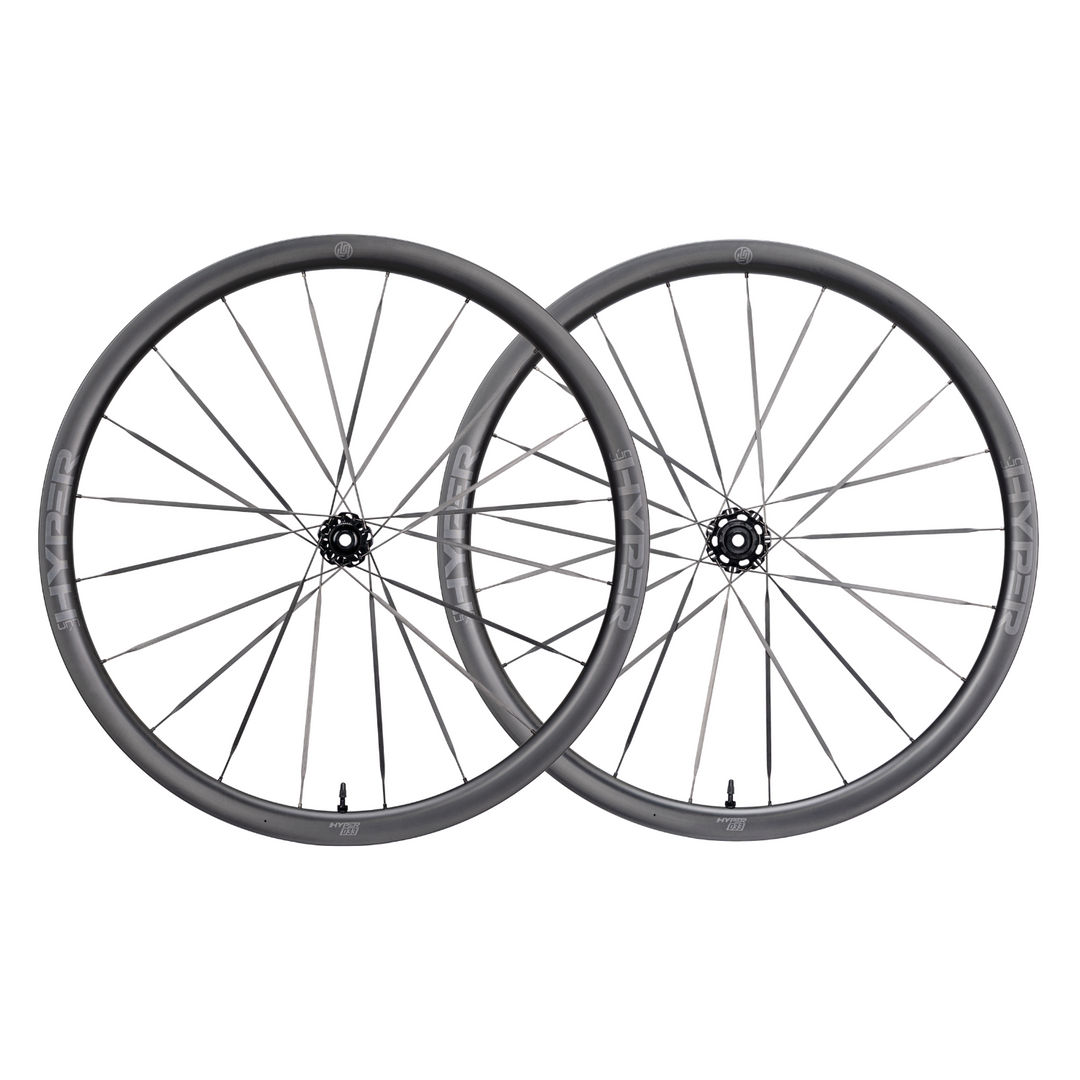
Bicycle wheels come in a variety of types, each designed for specific riding styles and terrains. Road wheels are typically lighter and narrower, engineered for speed on smooth surfaces. Mountain wheels, on the other hand, are sturdier and designed to withstand rough terrains, featuring wider rims and tires for better traction. Hybrid wheels sit somewhere in between, making them ideal for riders who enjoy both paved roads and light off-road trails. Each wheel comprises essential components: rims, spokes, and hubs. The rim is the outer part that holds the tire, while spokes connect the rim to the center hub, which houses the axle that allows the wheel to rotate. The design and materials used for these components can greatly affect performance, influencing factors like aerodynamics, weight, and durability. Understanding these differences is key to selecting the right wheels for your cycling needs.
Factors to Consider When Choosing Bicycle Wheels
When it comes to choosing bicycle wheels, several key factors should influence your decision. First and foremost, consider the wheel size, which affects compatibility with your bike frame and the type of riding you plan to do. Common sizes include 26-inch, 27.5-inch, and 29-inch for mountain bikes, while road bikes typically use 700c wheels. The material of the wheels also plays a significant role; aluminum wheels are common for their balance of weight and strength, while carbon fiber wheels offer advanced performance at a higher price point. Weight is another crucial factor—lighter wheels can improve acceleration and handling, but they may sacrifice durability. Finally, think about your intended use: recreational riding, competitive racing, or off-road adventures. By assessing these factors against your personal riding style and preferences, you can make a more informed choice that enhances your overall cycling experience.
Where to Buy Bicycle Wheels
When it comes to purchasing bicycle wheels, you have the option to shop online or visit a local bike shop. Buying online offers convenience and often a wider selection, allowing you to compare various models and prices from the comfort of your home. However, it's crucial to find reputable online retailers that specialize in cycling equipment to ensure quality and reliability. On the other hand, shopping in-store provides the benefit of hands-on experience; you can physically inspect the wheels, ask questions, and receive expert advice from knowledgeable staff. Whether you choose to shop online or in person, always check return policies and warranties before finalizing your purchase. This will give you peace of mind, knowing that you have options if the wheels don't meet your expectations.
Tips for Installing and Maintaining Your Bicycle Wheels
Installing new bicycle wheels can be a straightforward process if you follow a few essential steps. Begin by ensuring that your bike is stable, either by using a bike stand or flipping it upside down. Remove the existing wheels by loosening the quick-release lever or nuts and carefully detaching them from the frame and fork. Align the new wheel's hub with the dropouts and secure it in place. Once installed, it's vital to check the brakes and ensure they are properly aligned with the new wheels. Maintenance is equally important for prolonging the life of your wheels. Regularly clean the rims and spokes to prevent dirt buildup, and inspect the wheels for any signs of damage or wear. Additionally, check the tire pressure before each ride to ensure optimal performance. By following these tips, you can keep your bicycle wheels in great shape, allowing for a smoother and safer ride.
Final Thoughts on Choosing Bicycle Wheels
In conclusion, choosing the right bicycle wheels is essential for enhancing your overall riding experience. We’ve explored the different types of wheels available, the key factors to consider when making a selection, and the best places to buy them. Remember, the right wheels can lead to improved speed, stability, and comfort, transforming your rides into unforgettable adventures. Take your time in making a decision, and don’t hesitate to seek expert advice if needed. Happy cycling!