
Gum grafts have become an essential solution in modern dentistry, helping patients treat gum recession, protect exposed tooth roots, and restore a balanced, healthy smile. The procedure enhances both function and aesthetics, preventing further tissue loss and ensuring that the teeth remain stable. Most gum grafts heal without issue, offering long-term results. However, like any surgical treatment, complications can sometimes occur. Recognising the early signs of failure, understanding why it happens, and knowing what to do next are vital for achieving the best possible outcome.
Understanding Gum Graft Procedures
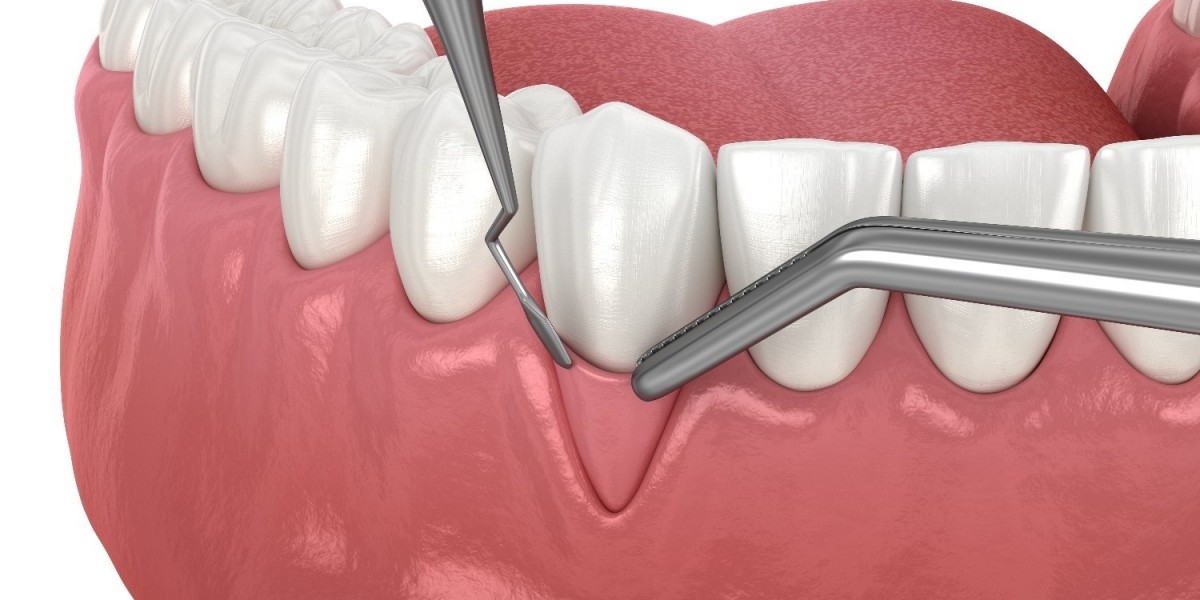
A gum graft is a minor surgical procedure performed to correct gum recession, a condition where the gum tissue recedes, exposing the tooth roots. This can result in sensitivity, aesthetic concerns, and an increased risk of decay or bone loss. There are three main types of gum grafts commonly used by dental professionals:
- Connective Tissue Graft: The most common method, where tissue is taken from beneath the top layer of the palate and attached to the receded area.
- Free Gingival Graft: A thin layer of tissue is removed directly from the palate and placed over the exposed root, ideal for patients with thin or delicate gums.
- Pedicle Graft: The tissue is moved from a nearby area to cover the exposed root while maintaining its own blood supply.
Following a gum graft Liverpool, normal healing results in pink, firm gums. However, complications may disrupt recovery, causing inflammation, discomfort, or tissue rejection clear indicators of possible graft failure requiring professional care.
Early Signs of Gum Graft Failure
Identifying a failing gum graft early can make all the difference in preserving both comfort and oral health. The first few weeks after surgery are crucial, and recognising unusual symptoms ensures timely intervention.
Common warning signs include:
- Persistent or increasing pain after the initial recovery period
- Ongoing swelling, redness, or discharge around the graft site
- The grafted area turning pale, grey, or dark (indicating poor blood supply)
- Continuous or heavy bleeding
- The graft detaching, shrinking, or receding again
- Persistent tooth sensitivity or bad taste in the mouth
To help differentiate between a normal recovery and a potential problem, the following table outlines key differences:
Normal Healing Signs | Warning Signs of Graft Failure |
Mild soreness for a few days | Intense, throbbing or prolonged pain |
Pink, healthy-looking tissue | Pale, grey, or dark tissue |
Gradual reduction in swelling | Persistent or worsening inflammation |
Temporary light bleeding | Heavy or prolonged bleeding |
Tissue feels firm and attached | Tissue appears loose or detached |
If any of these warning signs appear, it’s crucial to contact a dental professional immediately for assessment and appropriate treatment.
Common Causes Behind Gum Graft Failure
While the success rate for gum grafts is high, certain factors can interfere with healing and integration. Understanding these causes helps patients and clinicians take preventive steps.
- Poor Blood Supply: A healthy blood flow is essential for the graft to survive. If the transplanted tissue doesn’t receive adequate oxygen and nutrients, it can lead to tissue death and discolouration.
- Infection: Bacterial contamination, either during or after surgery, can trigger inflammation, swelling, and tissue rejection. Infection risk increases if aftercare instructions aren’t followed properly.
- Smoking and Tobacco Use: Nicotine restricts blood flow and significantly slows healing. Smokers are at a higher risk of complications compared to non-smokers.
- Inadequate Oral Hygiene: Aggressive brushing or failure to maintain proper cleanliness can irritate or disrupt the graft site. A gentle but consistent oral hygiene routine is vital.
- Systemic Health Conditions: Issues such as diabetes, immune disorders, or certain medications can hinder healing and increase infection risk.
- Surgical Factors: Occasionally, tension at the graft site, poor tissue handling, or inadequate coverage can result in graft breakdown.
Patients undergoing procedures such as a Gum Graft Liverpool after advanced gum recession should discuss these risk factors with their dental professional. Tailored post-operative guidance, including lifestyle adjustments like smoking cessation, can greatly improve success rates.
What to Do Next: Managing a Failed Gum Graft
If you suspect your gum graft isn’t healing as expected, timely intervention can often restore the affected tissue or prevent further complications. The management approach depends on the severity of the issue and the underlying cause.
1. Non-Surgical Management
For minor or early issues, your dentist may recommend:
- Professional Cleaning: Removes bacterial plaque and debris around the graft.
- Antibiotic Therapy: Either topical or oral antibiotics to control infection.
- Antiseptic Rinses: Chlorhexidine mouthwash to prevent bacterial growth.
- Close Monitoring: Regular check-ups to ensure healing is progressing.
2. Surgical Management
In cases of significant graft detachment or tissue loss, surgical correction may be necessary:
- Partial Graft Revision: Adjusting or reinforcing the affected area.
- New Graft Procedure: Replacing the failed graft with fresh donor tissue.
- Regenerative Treatment: Using bone grafts or membranes if there’s accompanying bone loss.
Patients who have received both gum and implant treatments, such as dental implant Liverpool, may require combined care to ensure both soft and hard tissue healing. Coordinated management between a periodontist and implant specialist ensures comprehensive treatment.
Preventing Gum Graft Complications
Prevention is the most effective strategy to ensure long-term graft success. Adopting proper aftercare habits can make a significant difference in healing outcomes.
Key preventive measures include:
- Strictly following post-operative instructions.
- Avoiding smoking and alcohol for at least two weeks after surgery.
- Using a soft-bristled toothbrush and gentle brushing technique.
- Rinsing with dentist-prescribed antiseptic mouthwash.
- Eating soft, cool foods during the early recovery phase.
- Attending all scheduled dental reviews.
A clear and consistent oral hygiene routine ensures long-term stability. The table below highlights simple habits that support successful graft healing:
Routine Practice | Frequency | Purpose |
Gentle brushing & flossing | Twice daily | Prevent plaque build-up |
Antiseptic rinse | As prescribed | Reduce bacterial growth |
Professional check-ups | Every 3–6 months | Monitor healing & detect issues early |
Lifestyle assessment | Annually | Identify and manage health risks |
These simple yet effective steps strengthen both the grafted tissue and surrounding gums, contributing to overall oral health and stability.
Conclusion
Gum grafting is a highly effective and reliable treatment for gum recession, but recognising potential warning signs and acting promptly can prevent serious complications. Most issues can be managed successfully with professional care and lifestyle adjustments. Maintaining open communication with your dentist, following aftercare advice, and attending regular check-ups will help protect your investment in both your oral health and smile aesthetics.
For expert periodontal and implant treatments that combine precision, experience, and patient-focused care, visit Smilo Dental Implant Liverpool, where restoring healthy, confident smiles is always the top priority.