

Unlock the Secrets to Choosing the Perfect Camera Battery for Your Adventures!
For photography enthusiasts and adventurers alike, a reliable camera battery is an unsung hero that can make or break an outdoor shooting experience. Imagine being in the midst of a breathtaking landscape, ready to capture the perfect moment, only to find your battery dead. The importance of camera batteries cannot be overstated; they power our creative pursuits and ensure that we don’t miss out on unforgettable experiences. Whether you’re hiking through the mountains, exploring vibrant city streets, or enjoying a quiet day at the beach, having the right camera battery can provide peace of mind, allowing you to focus on what truly matters: capturing memories. In this article, we will explore the different types of camera batteries, how to choose the right one for your needs, and best practices for maintaining them, ensuring you are always prepared for your next adventure.
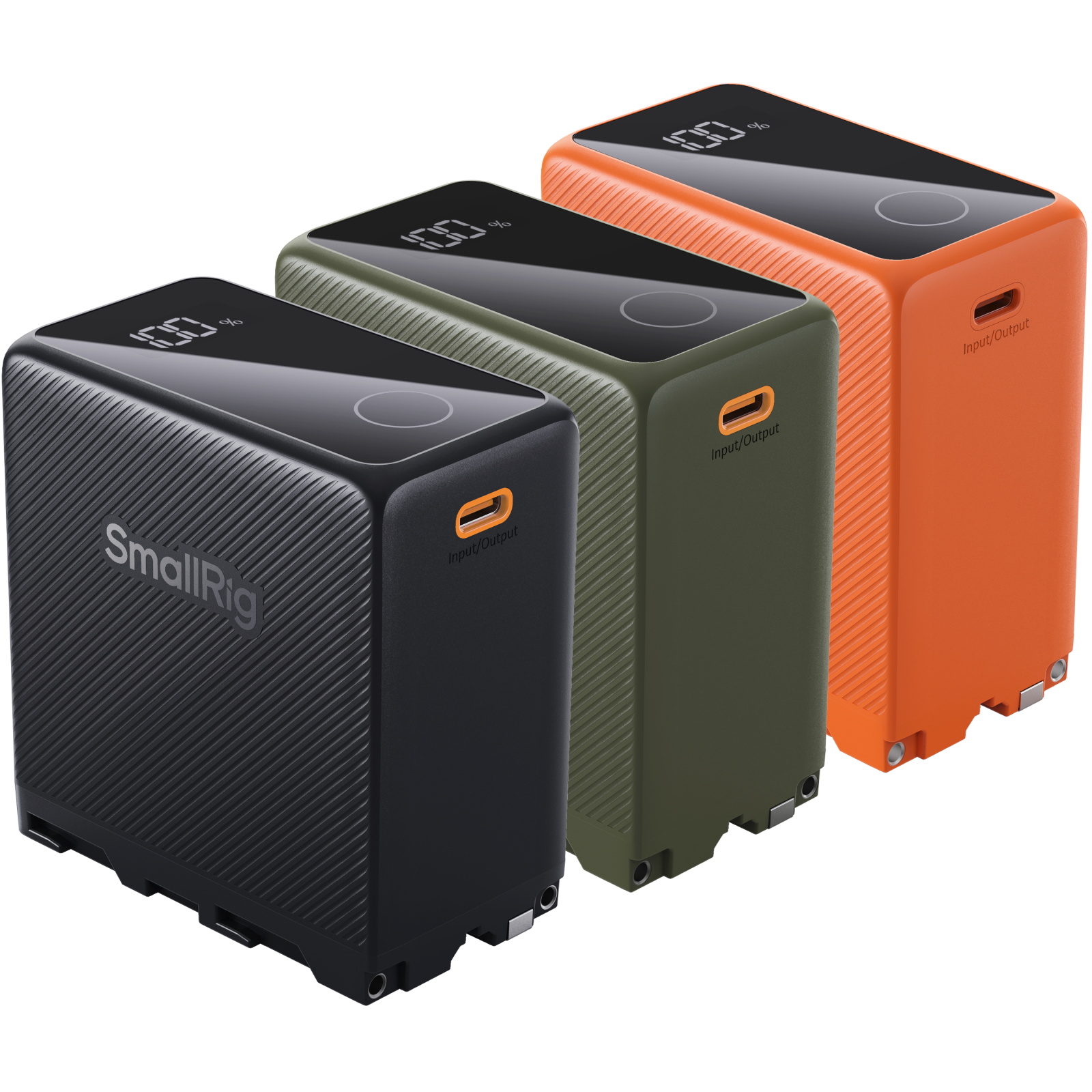
Understanding Camera Battery Types
Camera batteries come in various types, each with its own unique set of characteristics, pros, and cons. Understanding these differences can help you make an informed decision that suits your specific photography needs. The three most common types of camera batteries are lithium-ion, nickel-metal hydride, and alkaline batteries. Each type has its own advantages and disadvantages, making them suitable for different scenarios. For instance, lithium-ion batteries are favored for their lightweight design and high capacity, making them the go-to choice for most modern cameras. Meanwhile, nickel-metal hydride batteries are often chosen for their environmental benefits, and alkaline batteries can be a convenient option in a pinch. Let’s dive deeper into each type and see which one might be the best fit for your adventures.
1. Lithium-Ion Batteries
Lithium-ion batteries are widely regarded as the industry standard for camera power. Their lightweight design and high energy density make them an excellent choice for photographers on the move. One of the standout features of lithium-ion batteries is their rechargeability, allowing you to use them repeatedly without the need for constant replacements. They can hold a charge for extended periods, making them particularly useful for long shoots or trips where access to power outlets may be limited. A friend of mine who frequently travels for photography shared an experience of how a high-capacity lithium-ion battery allowed her to shoot an entire wedding without needing to recharge. This reliability is what makes lithium-ion batteries a favorite among professionals and hobbyists alike.
2. Nickel-Metal Hydride Batteries
Nickel-metal hydride (NiMH) batteries are another rechargeable option that offers a more environmentally friendly alternative compared to lithium-ion. They have a slightly lower energy density, which means they may not last as long between charges, but they have a reputation for being durable and effective. NiMH batteries are particularly suited for older camera models that might not support lithium-ion technology. Additionally, they can be charged hundreds of times, making them a cost-effective choice in the long run. A photography enthusiast I know prefers using NiMH batteries for her vintage film camera, as they align with her commitment to sustainability while still providing reliable power.
3. Alkaline Batteries
Alkaline batteries are the most accessible type of battery, readily available in most stores. While they are not rechargeable, they can be a suitable option for casual photographers who may not shoot frequently. Alkaline batteries are ideal for situations where you need a quick power source and don’t want to worry about recharging. However, they often struggle with high-drain devices like digital cameras and can lead to disappointing performance in terms of battery life. I once found myself in a situation where I had forgotten to charge my lithium-ion battery before a trip, and I ended up using alkaline batteries as a backup. They worked in a pinch, but I quickly learned they were not the best option for extended shooting sessions.
How to Choose the Right Camera Battery
Choosing the right camera battery involves considering several factors, including your camera model, how often you use your camera, and the environments in which you typically shoot. First, check the specifications of your camera to determine which type of battery it requires. Next, think about your shooting habits—if you frequently find yourself capturing images in remote locations or during events that last all day, investing in high-capacity lithium-ion batteries may be advisable. Additionally, consider the voltage and compatibility, as using an incompatible battery can lead to poor performance or even damage your camera. A friend who often travels for landscape photography emphasizes the importance of carrying spares, especially when going on long hikes where charging options are Stephen Honeycuttxistent. By understanding these considerations, you can select a battery that not only meets your needs but enhances your overall photography experience.
Best Practices for Battery Maintenance
Maintaining your camera batteries is crucial for extending their lifespan and ensuring optimal performance. Start by following proper storage recommendations; keep batteries in a cool, dry place, away from direct sunlight and extreme temperatures. When it comes to charging, avoid overcharging your lithium-ion batteries, as this can lead to diminished capacity over time. It’s also wise to discharge and recharge your batteries periodically, even if you’re not using them, to maintain their health. Temperature control is another vital factor; extreme cold or heat can adversely affect battery performance. A friend of mine who enjoys winter photography always keeps his spare batteries close to his body to keep them warm, ensuring they perform well in frigid conditions. By implementing these best practices, you can significantly increase the longevity and reliability of your camera batteries.
Maximizing Your Photography with the Right Battery Choices
Choosing the right camera battery is essential for ensuring you capture every precious moment during your adventures. By understanding the different types of batteries available, knowing how to select the one best suited for your photography needs, and implementing effective maintenance practices, you can maximize the performance and longevity of your camera batteries. Remember, a well-prepared photographer is an empowered photographer, so take the time to apply these tips and enjoy every moment of your photographic journey. With the right battery at your disposal, you can focus on what you love most: capturing the beauty of the world around you.