

Unveiling the Secrets: Why Your Ring Finger Holds the Key to Love and Commitment!
Weddings are a beautiful celebration of love, unity, and commitment, transcending cultures and traditions across the globe. One of the most enduring symbols of this commitment is the wedding ring, often worn proudly on the finger. But why is the ring finger so special? This article will delve into the significance of the ring finger in the context of wedding traditions, exploring its historical roots and cultural variations. From ancient rituals to modern practices, we’ll uncover the meanings behind this cherished finger and how it continues to represent love in today’s society.
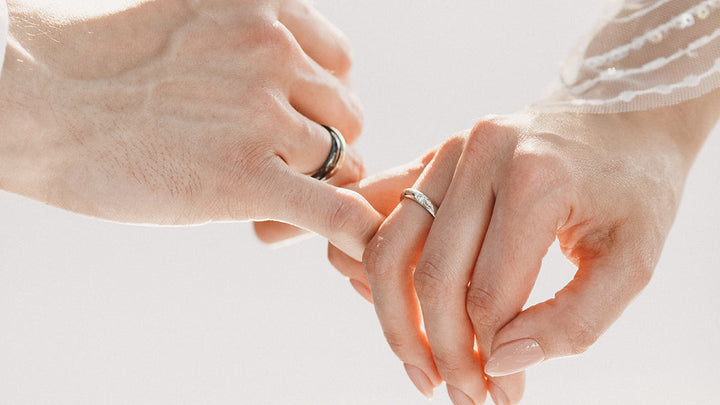
The Tradition of Wearing Wedding Rings
The tradition of wearing wedding rings can be traced back thousands of years, with origins in ancient Egypt, where couples exchanged braided reeds as a symbol of their union. However, it was the ancient Romans who popularized the use of metal rings, signifying ownership and commitment. Over time, the wedding ring evolved from a simple band to a more ornate piece, often adorned with precious stones. In many cultures, the exchange of rings during the wedding ceremony symbolizes the couple's vows and promises to one another. For instance, in some European countries, it is customary for the bride to wear the wedding ring on her right hand, while others reserve the left hand for this special piece. This evolution reflects changing societal values and the enduring significance of love and partnership.
Why the Ring Finger?
The choice of the ring finger for wedding rings is steeped in both anatomical and historical significance. The fourth finger of the left hand, often referred to as the "ring finger," is traditionally believed to house the 'vena amoris' or the 'vein of love,' which was thought to connect directly to the heart. This symbolism has made the ring finger the most popular choice for wedding bands in many Western cultures. Personal anecdotes abound about this tradition; for instance, a friend of mine shared how her grandmother insisted on wearing her wedding ring on her ring finger, emphasizing that it was a direct line to her love for her late husband. Such stories reinforce the emotional connection many feel towards this finger and the rings that adorn it.
Cultural Variations in Ring Finger Practices
Cultural practices surrounding the wearing of wedding rings vary significantly across the globe. In the United States and much of Western Europe, the wedding ring is typically worn on the left hand. However, in countries like Russia and Greece, it is common to wear the wedding ring on the right hand. In some cultures, such as in India, the tradition may not involve a wedding ring at all; instead, couples may exchange other symbolic items during their ceremonies. Furthermore, in certain Native American tribes, couples may wear their rings on different fingers depending on their marital status or the type of ceremony performed. These variations highlight the diverse meanings attributed to wedding rings and how they are integrated into the fabric of different cultures.
Modern Interpretations and Trends
As societal norms continue to evolve, so do the interpretations and practices surrounding wedding rings. Today, many couples are exploring alternative symbols of commitment, such as tattoos or personalized jewelry that may not fit traditional definitions. Additionally, changing gender norms have led to more inclusive practices, with an increasing number of men choosing to wear wedding rings. In the age of individuality, couples may opt for unique designs that reflect their personalities rather than adhering strictly to traditional styles. This shift indicates a broader understanding of love and commitment, suggesting that the essence of partnership transcends the physical representation of a ring on a finger.
The Significance of the Ring Finger in Love
The ring finger holds a profound significance in the context of love and commitment, representing centuries of tradition and cultural practices. Understanding the historical and cultural roots of this practice can deepen our appreciation for wedding rings in modern society. Whether you wear a ring on your left hand, right hand, or choose an alternative symbol, the essence of love and commitment remains at the heart of the matter. Ultimately, it is the meaning behind the ring that truly matters, as it symbolizes the unique bond shared between partners, transcending time and tradition.