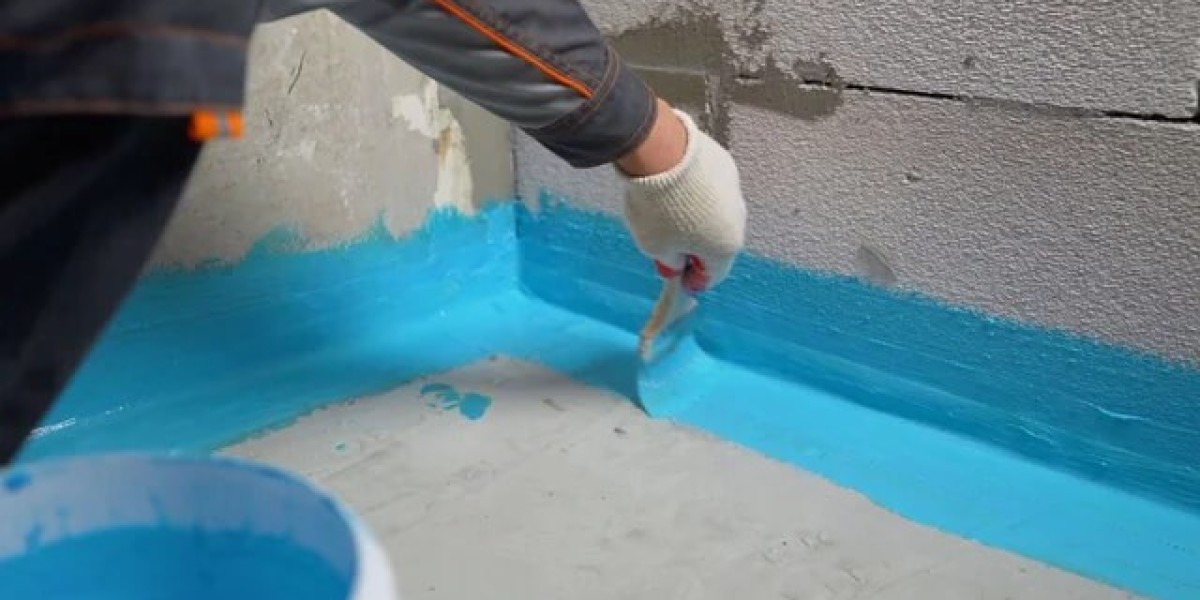

A strong home isn’t built by walls alone—it’s built by the unseen layers of protection beneath it. And nothing protects the foundation better than basement waterproofing, especially if your home sits in an area prone to moisture, seepage, or unpredictable weather. Whether you live in an old house or a new construction, the health of your basement directly impacts the longevity, safety, and overall comfort of your living space.
Understanding the Silent Threat Beneath Your Home
The basement is often the most ignored space in a house, yet it bears the first blow of environmental moisture. Water finds its way through cracks, porous concrete, faulty drainage, or even simple humidity buildup.
And when moisture enters, it brings a host of problems—some visible, others creeping in quietly.
Common Signs Your Basement Is Craving Attention
Damp patches on walls
Musty smells
Paint peeling or bubbling
Mold growth
Efflorescence (white salt-like deposits)
Water pooling during rains
While these issues may seem manageable at first, they often escalate into major structural and health hazards.
How Basement Waterproofing Prevents Costly Structural Damage
Every home sits on a foundation, and that foundation relies heavily on the basement’s strength. When water infiltration goes unchecked, it gradually weakens concrete, widens cracks, and compromises structural stability.
The Domino Effect of Water Damage
When moisture reaches the foundation:
Concrete begins to erode
Rebar inside the concrete starts rusting
Structural cracks expand
Walls bow or warp under pressure
All these can lead to hefty repair bills that far exceed the cost of preventive waterproofing.
Improving Indoor Air Quality with Modern Basement Waterproofing
You may not realize it, but air from the basement rises into the main living spaces through the stack effect. This means that whatever happens below—mold, odors, humidity—ends up affecting your home’s air quality above.
How It Impacts Your Family’s Health
Mold spores lead to allergies and respiratory issues
Dampness increases dust mites
Poor air circulation causes constant foul smells
Children and seniors are most affected
A properly sealed and moisture-free basement ensures fresher, cleaner, and healthier air indoors.
Boosting Home Value with a Protected Foundation
Whether you plan to sell your home in the future or simply want to maintain its worth, waterproofing is a smart investment. Buyers are quick to walk away from a home with damp basements because they signal bigger hidden problems.
How Waterproofing Enhances Property Value
Strengthens buyer confidence
Reduces renovation and repair expenses
Allows safe conversion into usable rooms
Creates dry, clean storage or living space
A moisture-free basement instantly improves your home's appeal, durability, and marketability.
Why Basement Waterproofing Saves You Money in the Long Run
Many homeowners delay waterproofing because they assume it’s an optional expense—but that’s far from true.
Think of Waterproofing as Preventive Healthcare for Your Home
Just as regular check-ups prevent costly medical emergencies, waterproofing prevents severe foundation failures, mold remediation costs, and structural repair budgets that can run into lakhs.
You save money by:
Avoiding repeated repairs
Reducing energy bills (dry walls insulate better)
Eliminating mold treatment expenses
Preventing furniture or storage damage
A little investment now safeguards your finances for years to come.
Types of Basement Waterproofing Methods Used Today
Waterproofing isn’t a one-size-fits-all process. Depending on the issue, professionals recommend specific solutions.
1. Interior Waterproofing Systems
Ideal for minor seepage or moisture buildup.
Includes:
Sealants
Interior drainage systems
Vapor barriers
2. Exterior Waterproofing Solutions
Best for severe or recurring water infiltration.
Includes:
Excavation and waterproof membrane installation
Exterior drainage boards
Soil grading
Sump pump installation
3. Foundation Crack Repair
Essential for long-term structural stability.
Techniques include:
Epoxy injection
Polyurethane foam filling
Every method plays a role in ensuring your basement stays dry and protected.
How Weather and Geography Influence the Need for Basement Waterproofing
Areas prone to heavy rainfall, floods, or high groundwater levels require even more attention. Homes built in clay-heavy soil or older constructions are also at higher risk.
Environmental Factors That Increase Moisture
Seasonal monsoons
Rising groundwater
Poor drainage around the property
Sloping landscapes pushing water toward the foundation
Understanding your environment helps determine the urgency and level of protection your home needs.
Creating Extra Usable Space by Keeping Your Basement Dry
One of the biggest advantages of waterproofing is the ability to transform your basement into a functional, valuable area.
Imagine converting the space into:
A home office
A guest suite
A gym
A recreation room
Organized storage
A dry basement expands your living area without the cost of external construction.
How Basement Waterproofing Helps Reduce Energy Bills
Moisture makes your home feel colder in winter and warmer in summer. Your HVAC system ends up working harder, leading to higher electricity bills.
Waterproofing Improves Energy Efficiency By:
Reducing humidity
Enhancing wall insulation
Preventing cold drafts from cracks
Lowering HVAC workload
This small change can lead to long-term savings and improved indoor comfort.
Why DIY Fixes Don’t Work for Basement Water Issues
It’s tempting to apply a quick fix using store-bought sealants, but these are temporary solutions. Water pressure around your foundation requires professional-grade systems.
Challenges with DIY Waterproofing
Doesn't address the root cause
Sealants peel off quickly
Cracks return during weather changes
No warranty or long-term reliability
Professional waterproofing ensures lasting protection backed by expertise and technology.
Choosing the Right Professionals for the Job
The effectiveness of waterproofing depends heavily on the contractor you choose.
What to Look For:
Experience and specialization
On-site inspection before quoting
Use of modern materials and techniques
Warranties on workmanship
Transparent pricing
A reliable team ensures accurate assessment and long-lasting solutions.
Top Mistakes Homeowners Make When Dealing with Basement Moisture
Even well-meaning homeowners often take steps that worsen the problem.
Common Mistakes Include:
Delaying treatment
Relying on fans or dehumidifiers alone
Painting over damp walls
Ignoring small cracks
Not cleaning gutters or external drains
Knowing what to avoid helps maintain a healthier, moisture-free home.
How Landscaping Affects Basement Moisture Levels
Your garden or yard layout plays a bigger role than you might think.
Landscaping Tips to Reduce Moisture:
Ensure slope directs water away from the house
Avoid planting trees too close to the foundation
Clean gutters regularly
Install proper drainage channels
These simple habits go hand-in-hand with effective waterproofing.
FAQs About Basement Protection
1. How often should I waterproof my basement?
A good waterproofing system can last decades, but periodic inspections are recommended every 2–3 years.
2. Can waterproofing stop existing mold?
It stops moisture, which prevents future mold. Existing mold must be removed before waterproofing.
3. Is waterproofing expensive?
Costs vary depending on severity, but it's far more affordable than foundation repair or mold remediation.
4. Does every home need waterproofing?
Yes—whether preventive or corrective, every home benefits from a dry and protected foundation.
Conclusion: The First Step to a Stronger, Safer Home
A well-protected foundation means a safer, healthier, and long-lasting home. And nothing safeguards that foundation better than basement waterproofing, which prevents structural damage, eliminates moisture issues, enhances indoor air quality, and boosts your property’s value. If you want a future-proof home where comfort and durability go hand in hand, investing in this essential protection is the smartest move you can make.