Unlock the Perfect Shot: The Ultimate Guide to Choosing Your Ideal Photo Studio Lights!
Lighting is the unsung hero of photography. It can transform an ordinary shot into a breathtaking masterpiece. Without the right lighting, even the most skilled photographers can struggle to capture the essence of their subjects. Understanding the importance of lighting is crucial for anyone looking to elevate their photography skills. In this guide, we will explore different types of photo studio lights available in the market, including continuous lights, flash lights, and LED lights. Each type has its unique strengths and weaknesses, making it essential to choose wisely based on your specific needs. By the end of this article, you'll be equipped with the knowledge to make an informed decision that will help you unlock the perfect shot!
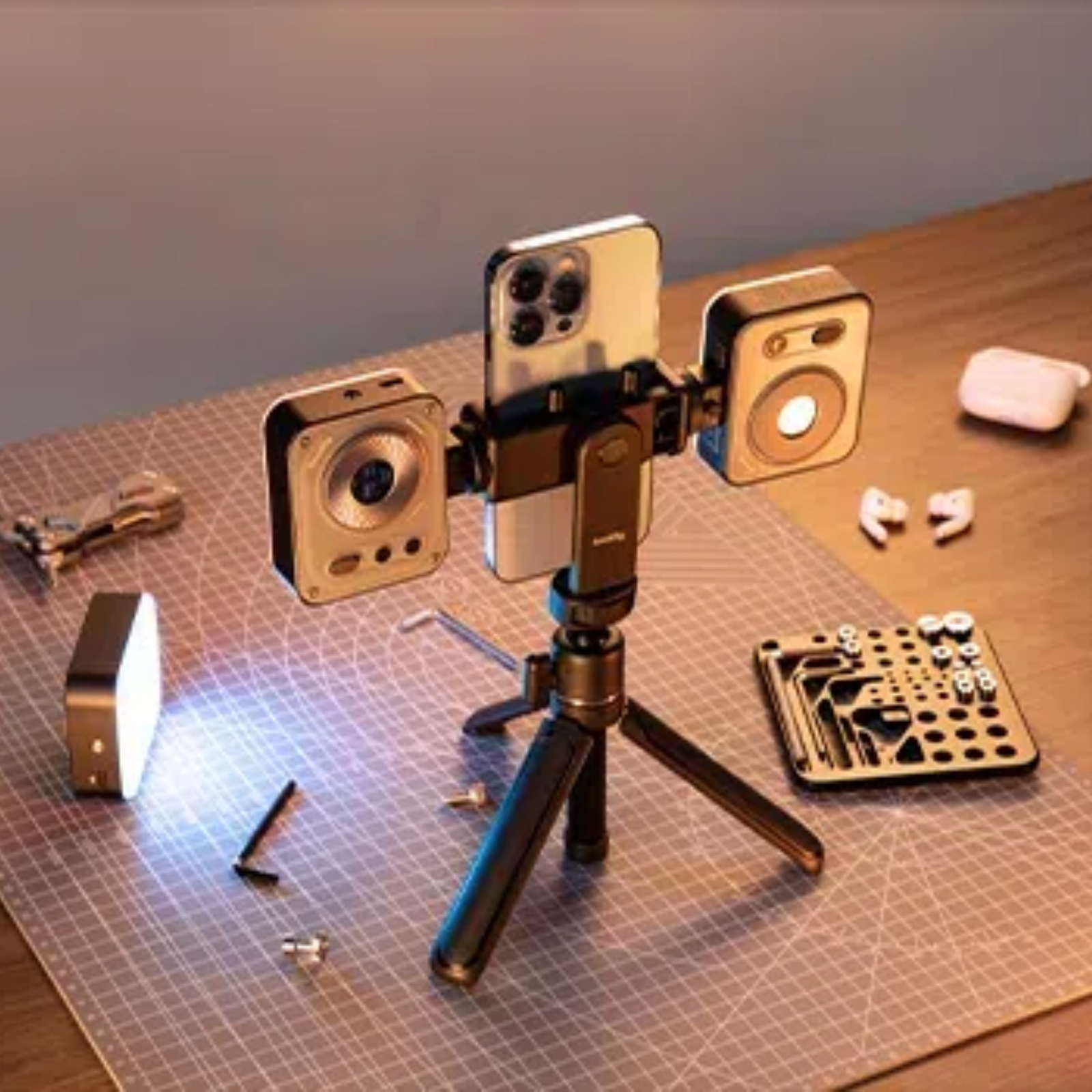
Understanding Photo Studio Lights
Photo studio lights serve a fundamental role in photography by illuminating subjects to create clear, well-defined images. The right lighting can enhance textures, define shapes, and influence the overall mood of a photograph. Different lighting setups can evoke various emotions—soft lighting creates a romantic ambiance, while harsh lighting can produce dramatic effects. The position, intensity, and color temperature of the lights can significantly affect the aesthetics of your images. For instance, I once worked on a project with a friend who was photographing a fashion line. We learned how the same outfit could look entirely different under various lighting conditions—what looked vibrant under soft, warm lights appeared washed out under harsher, cooler lights. Thus, understanding how to manipulate these elements is crucial for any photographer seeking to refine their craft.
Types of Photo Studio Lights
When it comes to selecting photo studio lights, three primary types dominate the market: continuous lights, flash lights, and LED lights. Each type has its unique characteristics, making them suitable for different scenarios and styles of photography. Continuous lights offer a consistent source of illumination, allowing photographers to see how the light interacts with their subjects in real-time. Flash lights provide powerful bursts of light ideal for freezing motion and capturing dynamic scenes. Meanwhile, LED lights are increasingly popular due to their compact size, energy efficiency, and versatility. Understanding these differences will help you choose the right lighting for your specific photography needs.
Continuous Lights
Continuous lights illuminate your subject continuously, providing a constant source of light. This makes them particularly useful for both photography and videography, as they allow you to see how the light behaves in real-time. One of my friends, an aspiring videographer, often uses continuous lights for his shoots because they simplify the process of framing and composing shots. Continuous lights excel in situations where you need to capture movement, such as in interviews or action scenes, as they provide consistent lighting throughout.
Flash Lights
Flash lights work by emitting a quick burst of light, which can be incredibly effective for freezing motion and capturing sharp images. They are particularly useful for events like weddings or sports, where timing is crucial. Understanding the sync options and trigger systems is essential to leverage their full potential. I remember attending a friend's wedding, where the photographer used flash lights to capture stunning moments during the reception, showcasing how they could create beautiful, well-exposed images even in low light.
LED Lights
LED lights have surged in popularity among photographers due to their energy efficiency, longevity, and versatility. Unlike traditional bulbs, LED lights consume less power and generate less heat, making them ideal for longer shooting sessions. They also come in various color temperatures, allowing for creative lighting solutions. A fellow photographer I met at a workshop swears by her LED panels for portrait sessions, as they provide soft, even lighting that flatters her subjects beautifully.
Factors to Consider When Choosing Lights
When selecting photo studio lights, several factors come into play. First and foremost is the type of photography you plan to do. If you're focusing on portraits, soft, diffused light may be more suitable, while product photography may require more direct lighting. Budget is another crucial consideration, as lighting equipment can vary significantly in price. Additionally, consider the space you have available. Large softboxes may not work well in confined spaces, while portable lighting options can be ideal for on-the-go shoots. Finally, think about your desired outcomes—what mood do you want to convey? By evaluating these factors, you can choose lighting that not only fits your technical requirements but also aligns with your artistic vision.
Making Informed Lighting Choices for Success
Choosing the right photo studio lights is a pivotal step in enhancing your photography skills. With various types available, each with its unique features and applications, understanding your specific needs will empower you to make an informed choice. Remember to consider your photography style, budget, available space, and desired outcomes when selecting your lighting. Armed with this knowledge, you can confidently invest in lights that will elevate your work and help you unlock the perfect shot in every setting. Happy shooting!