
Septal perforations—holes in the wall dividing the nostrils—can be uncomfortable, frustrating, and disruptive to daily life. While surgery is sometimes needed, not every patient is a candidate for immediate repair. For many, non-surgical Septal perforation treatment provides relief, symptom control, and improved quality of life without the downtime or risks of an operative procedure.
This guide explains how non-surgical management works, what options exist, and how patients throughout Beverly Hills, Los Angeles, and Manhattan Beach can benefit from conservative care—especially when evaluating future procedures like rhinoplasty Manhattan Beach or septal repair surgery.
Understanding Septal Perforations
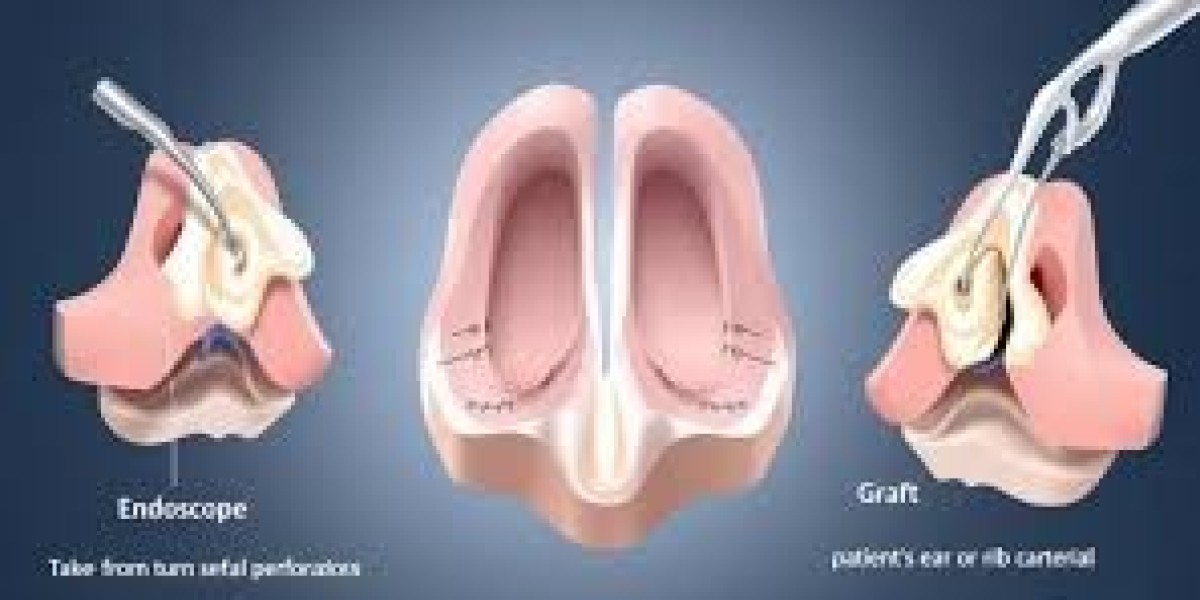
A septal perforation is an opening in the nasal septum that can range in size from a few millimeters to several centimeters. These perforations may be caused by:
- Prior nasal surgery (including rhinoplasty or septoplasty)
- Trauma or injury to the nose
- Chronic infection or autoimmune conditions
- Long-term use of nasal sprays or substances that irritate tissue
- Structural weakness of the cartilage
Common Symptoms
Many patients notice:
- Whistling sounds while breathing
- Nasal crusting and dryness
- Frequent nosebleeds
- Difficulty breathing
- Sensation of airflow imbalance
- Pain or pressure in the nose
Not all perforations cause symptoms, but when they do, early management helps protect remaining cartilage and prevent enlargement.
Why Non-Surgical Management Matters
Non-surgical treatment is essential for patients who:
✔ Are not yet candidates for surgery
✔ Prefer to delay surgery
✔ Have medical conditions that complicate anesthesia
✔ Need symptom relief before proceeding to surgical intervention
✔ Want to stabilize their nasal structure before corrective procedures
In Beverly Hills and Los Angeles, many clinics emphasize preservation and protection first—especially for patients with a history of cosmetic nasal procedures or those considering future refinements such as rhinoplasty Manhattan Beach.
Non-Surgical Treatment Options
1. Moisturizers and Nasal Gels
Moisturizers are the backbone of conservative Septal perforation treatment. They help regulate humidity inside the nose and prevent the crusting cycle that leads to bleeding and irritation.
Common Moisturizing Options
- Saline nasal gels (petrolatum-free options preferred by ENT specialists)
- Hyaluronic acid–based gels to promote tissue hydration
- Vitamin E oil (used sparingly, under direction)
- Lanolin-based ointments to protect tissue borders
How They Help
Regular moisturizing:
- Softens crusts for easier removal
- Reduces inflammation
- Protects the perforation edge from friction damage
- Lessens bleeding frequency
Clinical Tip: Patients should avoid inserting cotton swabs aggressively. A clean fingertip or saline spray applicator is safer and less traumatic.
2. Humidifiers and Environmental Control
Indoor air quality has a major impact on nasal health. In Southern California—especially Los Angeles and Beverly Hills—air conditioning, pollution, and low seasonal humidity can worsen nasal dryness.
Ideal Setup for Home Care
- Cool mist humidifier near the bedside at night
- Regularly cleaned device to avoid mold or bacteria buildup
- Filtered HVAC systems to reduce irritants like dust and allergens
Benefits
Humidification helps:
- Minimize crust formation
- Improve comfort during sleep
- Reduce bleeding episodes
- Support natural mucosal healing
For many patients, this is the single most impactful lifestyle intervention.
3. Septal Buttons
For individuals needing more structural support without surgery, a septal button is one of the most effective non-surgical solutions.
What Is a Septal Button?
A septal button is a smooth, medical-grade silicone insert fitted into the perforation to block the opening. It acts like a physical patch, reducing airflow turbulence.
Why It Works
The device:
- Restores smoother airflow
- Reduces crusting and dryness
- Helps prevent perforation enlargement
- Lessens whistling and breathing noise
- Improves day-to-day comfort
Buttons come in standard sizes or may be custom-fitted for large or irregular perforations.
Who Is a Candidate?
A septal button may be recommended if:
- Surgery is not possible
- The perforation is stable and within a manageable size
- The patient needs symptom relief before a procedure like reconstructive septoplasty or rhinoplasty Manhattan Beach
Placement is usually performed in-office with minimal discomfort.
Lifestyle and At-Home Care Recommendations
Non-surgical care is most effective when paired with supportive habits. ENTs commonly recommend:
- Avoid nose picking or forceful cleaning
- Use saline rinses daily to prevent crust buildup
- Limit steroid sprays without supervision
- Stop smoking or vaping, which slow healing
- Pause harsh decongestants that dry the nose
Weekly follow-ups are not required, but periodic evaluation helps ensure the perforation is not enlarging.
When to Consider Surgical Repair
Conservative management is often a long-term solution, but it isn’t always enough. Surgery may be recommended when:
- The perforation continues enlarging
- Symptoms remain severe despite treatment
- Cartilage support is weakening
- Cosmetic deformity or nasal collapse develops
This is especially relevant for patients interested in cosmetic refinements. Many specialists coordinate perforation repair with cosmetic procedures, offering a combined approach when appropriate.
For example, patients exploring rhinoplasty Manhattan Beach may be evaluated for simultaneous septal reconstruction to restore both structure and external aesthetics.
Choosing the Right Specialist in Beverly Hills or Los Angeles
Septal perforations are highly individualized—no two are exactly alike. This means assessment by a qualified ENT or facial plastic surgeon is essential.
When researching clinics, look for:
- Board-certified ENT or facial plastics credentials
- Experience with both surgical and non-surgical Septal perforation treatment
- Before-and-after case records
- Clear explanations of treatment goals and limitations
- A patient-first approach—no pressure toward surgery
Patients with prior rhinoplasty should seek someone familiar with revision rhinoplasty and nasal reconstruction techniques to ensure safe long-term outcomes.
Final Thoughts
Septal perforations can be intimidating, but management has evolved significantly. From simple humidification to advanced septal button placement, many patients achieve meaningful relief without surgery.
Moisturizers, humidifiers, and septal buttons are proven, effective methods that reduce symptoms, protect nasal tissue, and restore comfort while preserving future treatment options. And for those considering aesthetic improvement with procedures like rhinoplasty Manhattan Beach, non-surgical stabilization is often the best first step.
FAQs
1. What is the first step in non-surgical septal perforation treatment?
The initial approach focuses on symptom relief and tissue protection. Moisturizers, saline gels, and nasal humidifiers are commonly recommended to reduce dryness, crusting, and bleeding. These steps help stabilize the nasal septum and improve daily comfort without surgery.
2. How do septal buttons help with a septal perforation?
A septal button is a small, medical-grade silicone insert that plugs the perforation. It restores smoother airflow, prevents crusting, reduces bleeding, and minimizes whistling or other breathing noises. It is an effective non-surgical option for patients not ready or eligible for surgery.
3. Can lifestyle changes improve septal perforation symptoms?
Yes. Simple habits like avoiding nose picking, using daily saline rinses, humidifying indoor air, stopping smoking, and limiting harsh nasal sprays can significantly reduce symptoms and prevent worsening of the perforation.
4. When is surgical repair necessary for a septal perforation?
Surgery may be needed if the perforation is enlarging, symptoms remain severe despite non-surgical treatment, cartilage support is weakening, or cosmetic deformities develop. Specialists often coordinate surgical repair with procedures like rhinoplasty Manhattan Beach for optimal structural and aesthetic results.
5. How can I find the right specialist for septal perforation management in Los Angeles or Beverly Hills?
Look for a board-certified ENT or facial plastic surgeon with experience in both non-surgical and surgical septal repair. A good specialist provides personalized care, discusses treatment options, and ensures safe management—especially if you have a history of rhinoplasty or plan future cosmetic procedures.