
Hair loss affects millions of men and women worldwide, often impacting confidence, self-image, and daily social interactions. While thinning hair and receding hairlines were once accepted as unavoidable, medical advancements have transformed hair restoration into a precise and reliable solution. Today, patients have access to advanced techniques that offer natural outcomes, faster recovery, and long-term results.
Among the most discussed developments in this field are robotic hair surgery and automated follicle extraction systems. These technologies have changed how surgeons approach hair transplantation, making procedures more consistent and patient-focused than ever before. This guide explores how modern hair restoration works, what patients should expect, and how to evaluate results realistically before committing to treatment.
Understanding Hair Loss: Why It Happens
Before exploring surgical options, it’s important to understand why hair loss occurs. Hair thinning can develop for several reasons, including:
- Genetic predisposition (androgenetic alopecia)
- Hormonal imbalances
- Stress and lifestyle factors
- Medical conditions or medications
- Aging and changes in scalp circulation
In both men and women, progressive hair loss typically worsens over time. Non-surgical treatments such as topical solutions or oral medications may slow the process but often fail to restore lost density. This is where surgical restoration becomes a practical option.
What Is Robotic Hair Surgery?
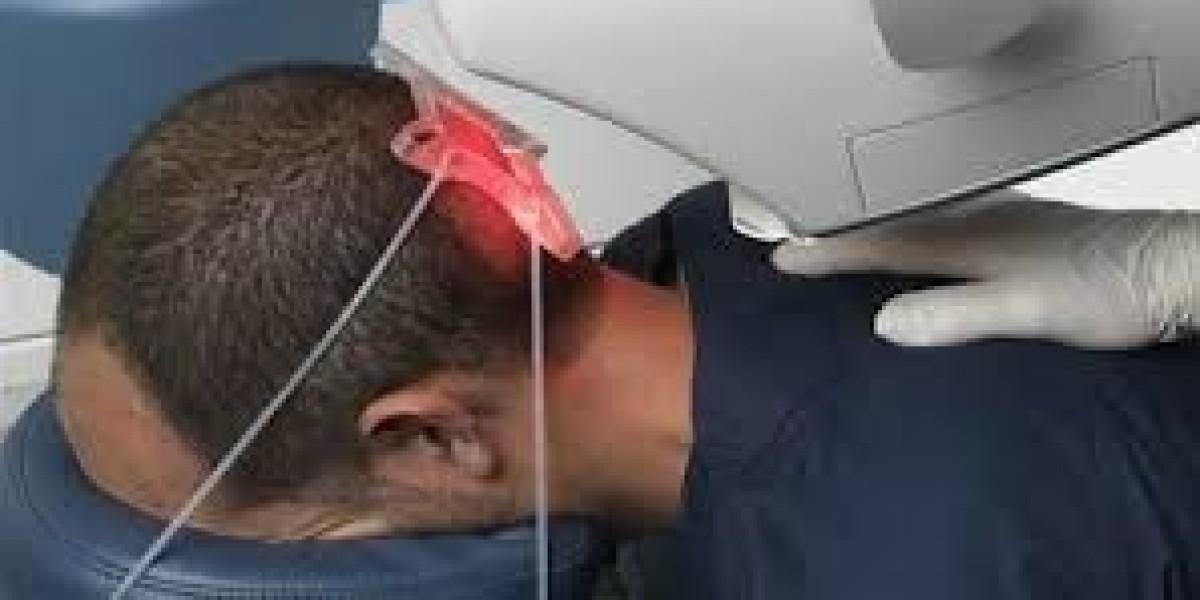
Robotic hair surgery refers to the use of advanced robotic systems to assist surgeons during follicular unit extraction (FUE). Instead of relying entirely on manual tools, robotic technology helps identify healthy hair follicles, measure angles of growth, and extract grafts with consistent precision.
While the surgeon remains fully in control of the procedure, robotic assistance improves accuracy and reduces the risk of follicle damage. This approach is especially beneficial for patients who want refined results without the linear scarring associated with older transplant techniques.
Key Advantages of Robotic Assistance
- Enhanced graft selection based on hair quality
- Reduced trauma to the donor area
- Improved consistency across large transplant sessions
- Faster extraction with minimal discomfort
- Greater predictability of outcomes
Patients often choose robotic hair surgery because it blends surgical expertise with technological support, creating a balance between human judgment and mechanical precision.
How Modern FUE Hair Transplants Work
Most advanced hair restoration procedures today use the FUE method. This technique involves extracting individual hair follicles from a donor area (typically the back or sides of the scalp) and implanting them into areas affected by hair loss.
The steps generally include:
- Consultation and planning
The surgeon evaluates scalp health, hair density, and long-term hair loss patterns. - Donor area preparation
Hair follicles are mapped to ensure even extraction. - Follicle extraction
Individual grafts are removed carefully to preserve their structure. - Recipient site creation
Tiny incisions are made following natural hair growth patterns. - Implantation
Grafts are placed strategically for natural density and direction.
Robotic systems assist during the extraction phase, while implantation remains a surgeon-guided process that requires artistic skill.
Evaluating Results: Before and After Expectations
One of the most common questions patients ask is how results will look months after surgery. Reviewing neograft hair transplant before and after images can help set realistic expectations, but it’s important to understand what those images represent.
What Before and After Photos Show
- Hairline design and density improvement
- Coverage in thinning or balding areas
- Natural direction and spacing of transplanted hair
- Overall facial balance after restoration
However, photos should always be interpreted carefully. Lighting, hair length, and styling can influence visual outcomes. A reputable clinic will provide standardized images taken under consistent conditions.
When reviewing neograft hair transplant before and after examples, patients should focus on gradual improvement rather than instant transformation. Full results typically appear between 9 and 12 months post-procedure.
Healing and Hair Growth Timeline
Hair transplantation is a process, not a one-day transformation. Understanding the recovery timeline helps patients remain patient and confident throughout the journey.
Typical Recovery Stages
- First week: Mild redness and scabbing in treated areas
- 2–4 weeks: Temporary shedding of transplanted hairs (normal phase)
- 3–4 months: Early regrowth begins
- 6 months: Noticeable density improvement
- 9–12 months: Final results become visible
During this period, following post-operative care instructions is essential for optimal growth and scalp health.
Who Is a Good Candidate for Hair Transplant Surgery?
Not everyone experiencing hair loss is an ideal candidate for surgery. The best candidates typically share the following characteristics:
- Stable donor hair supply
- Realistic expectations about density and coverage
- Good overall scalp health
- Commitment to aftercare and follow-up visits
Both men and women can benefit from advanced hair restoration methods, including robotic hair surgery, when evaluated properly by an experienced professional.
Natural-Looking Results: Art Meets Science
The success of a hair transplant depends not only on technology but also on the surgeon’s ability to design a hairline that suits the patient’s face, age, and ethnicity. Automated systems assist with precision, but artistic judgment remains critical.
This is why experienced clinics emphasize personalized treatment plans rather than one-size-fits-all solutions. When reviewing neograft hair transplant before and after cases, the most impressive results often reflect careful planning rather than maximum graft numbers.
Cost Considerations and Long-Term Value
Hair transplant costs vary depending on several factors:
- Number of grafts required
- Severity of hair loss
- Technology used during the procedure
- Surgeon’s experience and clinic reputation
While advanced methods may have a higher upfront cost, they often deliver better long-term value due to improved graft survival and natural appearance. Many patients consider the procedure an investment in confidence and quality of life rather than a cosmetic expense.
Maintaining Results After Surgery
Transplanted hair is generally permanent, but existing native hair may continue to thin over time. To maintain results, surgeons may recommend:
- Medical therapies to support existing hair
- Healthy scalp care routines
- Periodic follow-up evaluations
- Lifestyle adjustments that support hair health
Combining surgical restoration with preventive care ensures results remain balanced and natural for years to come.
Psychological Benefits of Hair Restoration
Beyond physical appearance, hair restoration can positively affect emotional well-being. Many patients report improved self-confidence, greater comfort in social settings, and renewed motivation in personal and professional life.
This emotional impact is one of the reasons advanced procedures like robotic hair surgery continue to grow in popularity among individuals seeking a lasting solution.
Frequently Asked Questions
Is robotic hair surgery safe?
Yes, when performed by a qualified surgeon, robotic-assisted procedures are considered safe and effective. The technology enhances precision but does not replace medical expertise.
How long do transplanted hairs last?
Transplanted follicles are taken from areas resistant to hair loss and are typically permanent. Proper aftercare helps ensure long-term success.
Are results immediate after surgery?
No. Hair growth occurs gradually over several months. Reviewing neograft hair transplant before and after timelines helps patients understand realistic progression.
Will the procedure look natural?
When planned correctly, transplanted hair follows natural growth patterns and blends seamlessly with existing hair.
Can women undergo hair transplant surgery?
Yes. Women experiencing thinning hair or pattern hair loss may benefit from advanced restoration techniques after proper evaluation.
Final Thoughts
Modern hair restoration has reached a level where precision, comfort, and natural outcomes are achievable for a wide range of patients. With the support of advanced technology and experienced medical professionals, individuals no longer need to accept hair loss as permanent.
By understanding how robotic hair surgery works, reviewing real neograft hair transplant before and after outcomes, and choosing a clinic focused on personalized care, patients can make informed decisions that align with both aesthetic goals and long-term hair health.