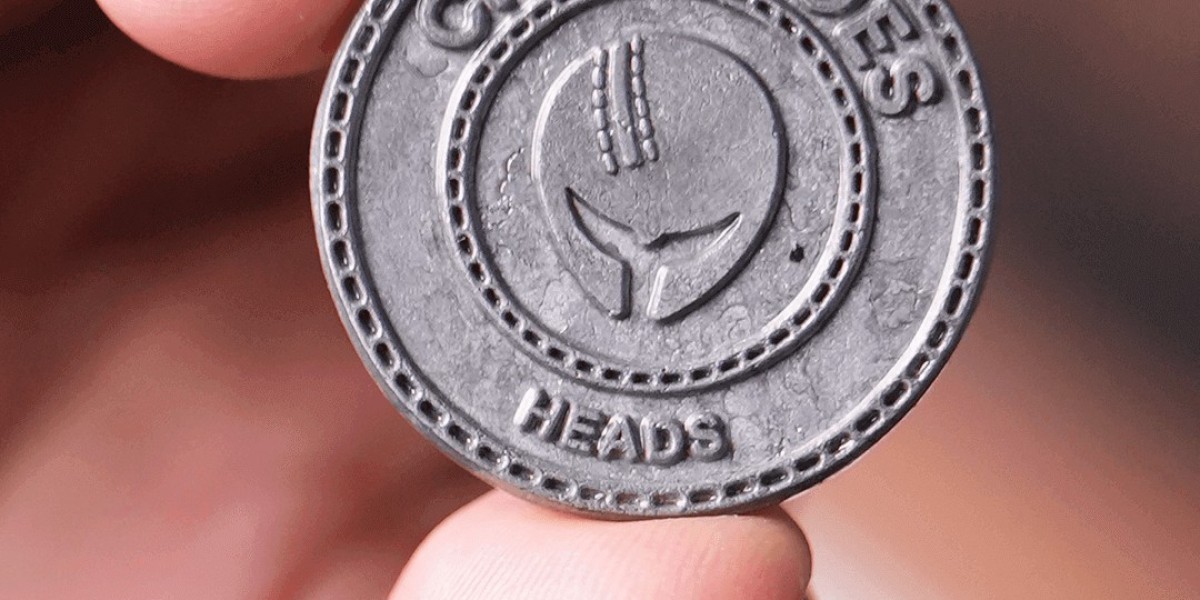

A coin toss looks simple, yet arguments around fairness are common. In cricket, one disputed toss can change momentum before the match even begins. From street cricket to international fixtures, players trust the toss because it is meant to be neutral, repeatable, and fair.
This coin toss guide explains how to flip a coin fairly every time. It breaks down technique, rules, and common mistakes, while also showing why fairness matters so much in cricket and everyday decisions.
If you want a toss that everyone accepts without debate, the process matters more than the result.
What makes a coin toss fair?
A fair coin toss gives both heads and tails an equal chance, without control from the person flipping the coin. Fairness is not about style, but about consistency.
A toss is considered fair when it follows these principles:
The same coin is used for the entire decision
The flip has enough height and rotation
The landing surface is flat and neutral
No one catches and turns the coin secretly
When these rules are followed, the outcome is accepted even by the losing side. In cricket, this acceptance is critical, especially in competitive matches.
Step-by-step method to flip a coin fairly
Flipping a coin fairly is a physical skill, not guesswork. Small details make a big difference in trust.
Follow this simple method:
Place the coin on your thumb, supported by your index finger
Flick the coin upward with enough force for multiple spins
Let the coin land on the ground or a flat surface
Read the result without touching or adjusting the coin
Get Your Cricket Toss Coin Now.
This method removes doubt. Everyone can see the flip, the landing, and the final side. That visibility is why umpires insist the coin lands on the pitch or square, not in a hand.
Why catching the coin can cause disputes
Catching the coin mid-air looks clean, but it often creates suspicion. Many disputes start here, especially in casual cricket games.
Problems with catching include:
The catcher may turn the coin unknowingly
Others cannot see the landing clearly
Accusations arise even if no cheating occurred
In professional cricket, the coin is flipped and allowed to fall. This removes human influence and keeps focus on the game rather than the toss.
Coin toss fairness in cricket explained
In cricket, the toss is more than tradition. It can decide match flow, especially in modern formats.
Captains consider:
Pitch wear in Test matches
Dew impact in night T20s
Weather patterns and cloud cover
Team balance and bowling depth
Because of this impact, fairness is non-negotiable. Umpires control the toss process to ensure neutrality. This same mindset applies when learning how to flip a coin fairly in any setting.
Is a coin toss really 50/50?
Yes, a standard coin toss gives heads and tails equal probability. Each flip is independent of previous results.
Key facts to remember:
Past outcomes do not affect future flips
Long streaks can happen naturally
Fairness does not mean alternating results
Many people doubt fairness after seeing repeated heads or tails. In reality, randomness often looks uneven in short samples. Cricket fans see this often when toss streaks favor one team during a series.
Physical coin toss vs online coin toss
Both physical and digital coin tosses aim for the same goal: a neutral decision.
The differences are practical, not ethical:
Physical toss depends on technique and surface
Online toss depends on random number logic
Both offer equal probability outcomes
Online tools remove physical bias completely
For friendly matches or quick decisions, online tools are often trusted more because they avoid technique-related disputes.
Common mistakes that make a coin toss unfair
Most unfair tosses are accidental, not intentional. Awareness helps avoid conflict.
Watch out for these mistakes:
Flipping too low with minimal spin
Tossing onto uneven ground
Catching and covering the coin quickly
Using different coins during re-tosses
Correcting these habits builds trust, especially in group decisions or sports settings.
When should you re-toss a coin?
A re-toss is acceptable only when fairness is clearly compromised. Knowing when to redo the toss prevents unnecessary arguments.
Valid reasons for a re-toss include:
The coin hits an object mid-air
The coin does not complete a full flip
The landing surface shifts the coin after impact
In cricket, umpires call a re-toss immediately when interference occurs. The clarity keeps both captains satisfied.
FAQs
What is the fairest way to flip a coin?
The fairest way is to flip it high, let it spin freely, and allow it to land on a flat surface without touching it.
Is catching the coin unfair?
Catching is not always unfair, but it often causes disputes because others cannot see the final side clearly.
Does flipping higher make a toss fairer?
Yes, more height allows proper rotation and reduces control over the outcome.
Are some coins biased?
Worn or uneven coins can be slightly biased, which is why consistent coins are preferred in sports.
Why do umpires control the coin toss in cricket?
Umpires ensure neutrality so neither captain influences the result.
Can heads or tails appear more often?
Yes, short-term streaks are normal in random events.
Is an online coin toss more fair?
Online tosses remove physical influence, making them highly reliable for quick decisions.
Should you change the coin after a re-toss?
No, using the same coin maintains consistency and trust.
Does wind affect a coin toss?
Strong wind can influence the flip, which is why sheltered areas are preferred.
Is a coin toss good for serious decisions?
It helps break deadlock, but it should guide choice, not replace judgment.
Final thoughts
This coin toss guide shows that fairness comes from method, not luck. Whether on a cricket field or in daily life, flipping a coin fairly builds trust and avoids unnecessary conflict.
Use a clear technique, respect visibility, and accept the outcome. Once the coin lands, the decision is made. What follows matters far more than heads or tails.