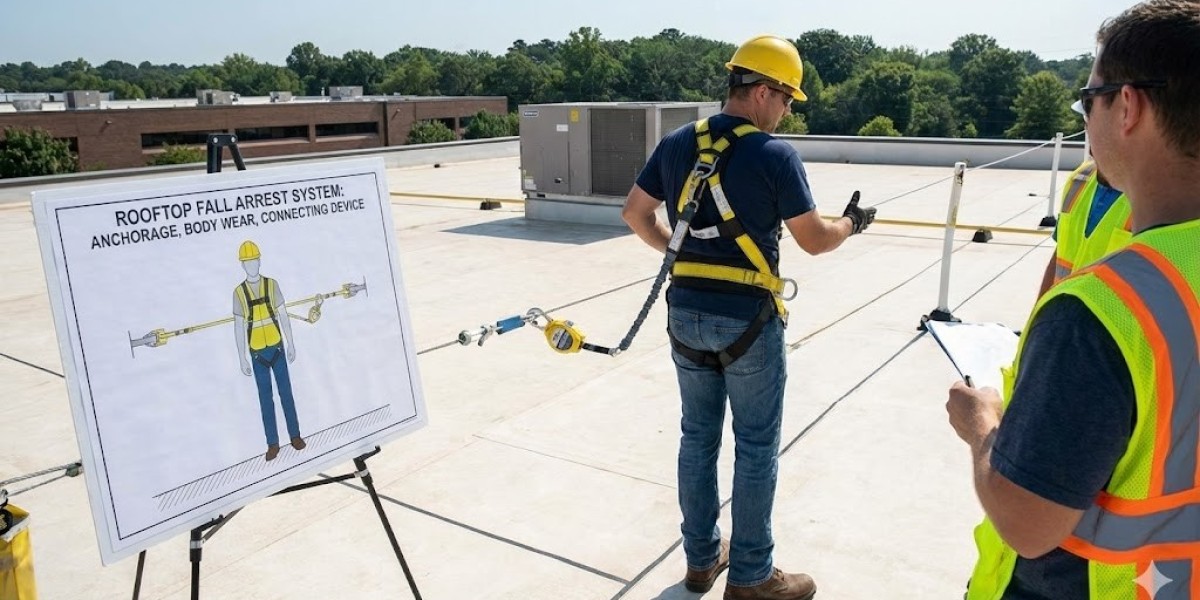

In construction, especially in high-rise building projects, working on roofs can be one of the most dangerous tasks. Every year, a significant number of worker injuries and fatalities occur due to falls from roofs. This is why roof fall arrest systems have become essential for ensuring safety and compliance in the construction industry. These systems are designed to prevent falls from rooftops, minimizing the risks workers face while performing maintenance, installation, or construction tasks at height.
In this comprehensive guide, we’ll explore what roof fall arrest systems are, why they’re necessary for construction sites, and how they contribute to worker safety. We’ll also dive into the different types of roof fall arrest systems available and highlight how you can choose the best one for your project needs.
What is a Roof Fall Arrest System?
A roof fall arrest system is a safety system designed to stop a worker from falling off a roof or elevated surface. These systems are used in construction, roofing, and maintenance tasks where workers need to operate on rooftops, skylights, and other high surfaces. The main objective of these systems is to arrest a fall, preventing serious injury or fatality by halting the descent before the worker can fall to the ground.
These systems typically consist of:
Anchor Points: Secure points attached to the roof structure, where workers connect their fall arrest gear.
Safety Harnesses: Worn by the worker to ensure they are attached to the system and protected during movement.
Lanyards: The connecting device between the worker and anchor point, often with shock absorbers to reduce the impact of a fall.
Horizontal Lifelines: These are used in large, flat areas like rooftops to provide continuous fall protection for workers as they move around.
In short, a roof fall arrest system is designed to save lives by preventing falls or minimizing the impact of falls, ensuring workers can safely perform their tasks on rooftops.
Why Roof Fall Arrest Systems are Crucial for Construction Sites
1. High Risk of Falls on Roofs
The construction industry is one of the most high-risk sectors when it comes to fall-related injuries. Falls from roofs can occur due to slip-ups, unstable surfaces, or improper handling of tools and materials. A fall from a roof can lead to serious injuries, including broken bones, spinal injuries, or even death. In many cases, workers are required to work on elevated surfaces, making roof fall arrest systems a critical component of any safety plan.
2. Compliance with Safety Standards
In many countries, including India, fall protection is a mandatory requirement under safety regulations like OSHA (Occupational Safety and Health Administration) and IS 4571:2007 (Indian Standards for fall protection systems). Failing to implement an adequate fall protection system can result in legal liabilities, hefty fines, and work stoppages. By investing in a roof fall arrest system, construction companies ensure they meet these safety standards, keeping their projects on schedule and compliant with local regulations.
3. Preventing Fatalities and Injuries
Falls from roofs account for a significant portion of fatal workplace accidents in construction. Implementing a fall arrest system can greatly reduce the chances of a fatal fall. These systems act as the last line of defense, ensuring that if a worker falls, they are securely caught before they can hit the ground, minimizing injury and protecting lives.
4. Improving Worker Confidence and Productivity
When workers are provided with a safe working environment, their confidence increases. Knowing they are protected by a reliable roof fall arrest system allows workers to focus on the task at hand, improving their efficiency and productivity. This sense of security is crucial, especially for workers who are performing challenging tasks on rooftops where a slip could have disastrous consequences.
5. Protecting the Company from Financial and Legal Risks
Accidents in construction not only cause human harm but also bring significant financial and legal risks to the company. Worker compensation claims, lawsuits, and insurance premiums can be incredibly costly for a business. By using a roof fall arrest system, a company can drastically reduce the likelihood of accidents and protect themselves from the high costs associated with fall-related incidents.
Types of Roof Fall Arrest Systems
Roof fall arrest systems come in a variety of designs and configurations, each suited to different types of roofing and tasks. The primary goal of any system is to provide continuous protection and minimize the risk of a fall. Below are the most common types of roof fall arrest systems used in construction:
1. Personal Fall Arrest Systems (PFAS)
A Personal Fall Arrest System (PFAS) consists of a full-body harness, lanyard, anchor point, and shock absorber. The worker wears the harness, which is attached to a secure anchor point on the roof. In case of a fall, the system arrests the fall and reduces the impact on the worker's body.
Best for: Smaller roofs or specific tasks where workers need mobility and flexibility.
Key benefits: Portable and easy to use, ideal for smaller, localized jobs.
2. Horizontal Lifeline Systems
A horizontal lifeline system runs horizontally along a rooftop, providing continuous fall protection for workers as they move. The system allows workers to attach their lanyard to the lifeline, ensuring that they are protected as they move across the roof. Horizontal lifelines are particularly effective for large or wide roofs where workers need to move freely from one area to another.
Best for: Large, flat rooftops where workers need to move across the surface.
Key benefits: Offers continuous fall protection over wide areas and is flexible enough for workers to move around.
3. Guardrails and Safety Barriers
While not technically a fall arrest system, guardrails and safety barriers can also be part of a comprehensive fall protection strategy. These physical barriers prevent workers from reaching the edge of the roof, significantly reducing the risk of a fall.
Best for: Preventing access to dangerous edges, especially during construction or roofing activities.
Key benefits: Simple and effective, no harnesses or lanyards required.
4. Roof Anchor Points and Tie-Offs
Anchor points are secure points on the roof where fall arrest equipment is connected. These can be fixed or portable, depending on the nature of the job. Roof anchor points are typically used in conjunction with harnesses and lanyards to protect workers from falls.
Best for: Jobs requiring occasional access to the roof or specific areas.
Key benefits: Reliable and customizable for different roof types and tasks.
How to Choose the Right Roof Fall Arrest System for Your Site
Selecting the right roof fall arrest system depends on several factors:
Type of Work: Consider the specific tasks that workers will be performing on the roof. If workers need to move freely, a horizontal lifeline system may be the best choice. For static tasks, a personal fall arrest system might be sufficient.
Roof Type: The type of roof (e.g., flat, sloped, or pitched) will determine the kind of anchor points and fall arrest solutions needed. Sloped roofs may require different fall arrest mechanisms compared to flat roofs.
Worker Movement: If workers need to cover large areas of the roof, a horizontal lifeline or multiple anchor points might be necessary to ensure continuous protection.
Regulatory Compliance: Make sure the system complies with local safety standards and regulations. In India, ensuring your system meets IS 4571:2007 is crucial for regulatory compliance.
Conclusion: Roof Fall Arrest Systems are Essential for Worker Safety
When it comes to construction, worker safety should never be compromised. Roof fall arrest systems are an essential part of any construction site’s safety plan, helping to prevent deadly accidents and reduce the risk of serious injuries. By investing in the right fall protection equipment, companies can protect their workers, meet regulatory standards, and improve overall productivity.
Indian Inovatix, a trusted name in fall protection solutions, offers high-quality, certified roof fall arrest systems for construction sites. Whether you need custom solutions for specific tasks or bulk systems for large-scale projects, we provide reliable fall protection systems tailored to your needs. Equip your team with the best in safety technology—protect your workers with Indian Inovatix's fall arrest systems today.
Enquire now for a quote, bulk pricing, or to learn more about our customizable roof fall arrest systems.