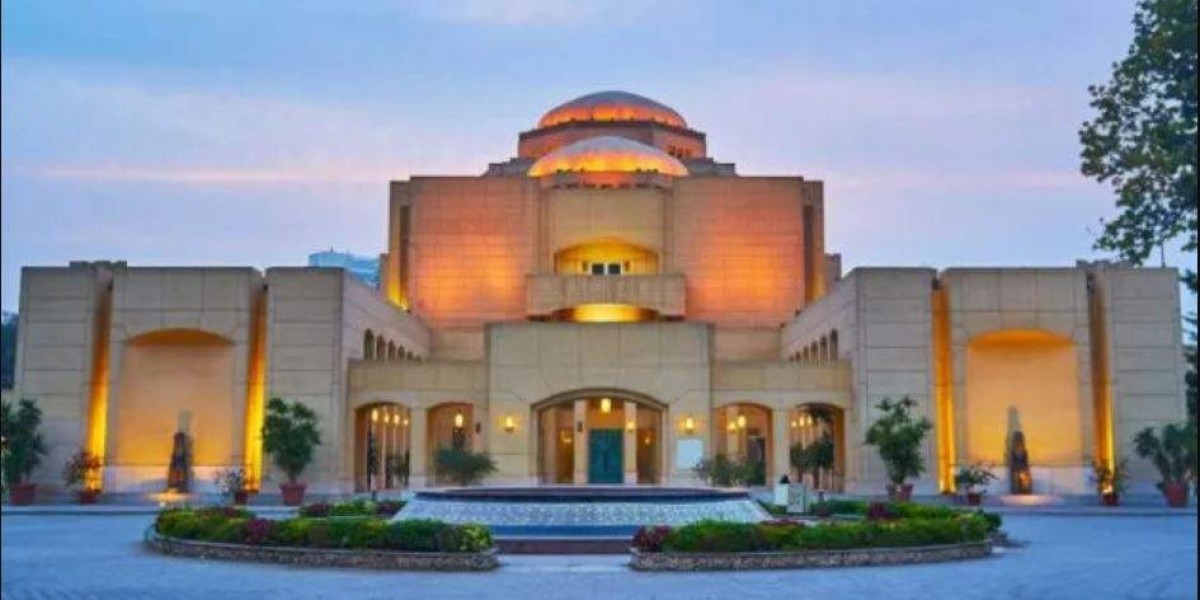

Studying MBBS in Egypt has emerged as a practical and reliable option for international medical aspirants who want quality education, global recognition, and affordability—without paying any donation or capitation fee. Over the last decade, Egypt has steadily built its reputation as a strong medical education hub, especially for students from India, Africa, and the Middle East. With government-regulated fee structures, internationally aligned curricula, and centuries-old medical institutions, Egypt offers a balance of low fees and high academic standards that appeals to serious medical students.
Introduction: Why Egypt Is Gaining Attention for MBBS
For many students, the biggest challenges in pursuing MBBS abroad are high tuition fees, donation demands, language barriers, and uncertain degree recognition. Egypt stands out because it addresses all these concerns in a structured and transparent way. Medical universities in Egypt follow standardized admission procedures, charge fixed tuition fees approved by authorities, and do not allow donation-based admissions.
Egypt’s long-standing medical tradition, combined with modern teaching methods and English-medium instruction, makes it an increasingly preferred destination for MBBS aspirants who want value for money without compromising on quality.
No Donation Policy: Transparent Admissions
One of the strongest advantages of studying MBBS in Egypt is the complete absence of donation or capitation fees.
How admissions work
Admission is purely merit-based
Selection depends on academic performance (mainly PCB subjects)
NEET qualification is required for Indian students as per NMC rules
No under-the-table payments or management quotas
This transparent system ensures that students are admitted based on eligibility rather than financial influence, creating a fair and academically focused environment.
Affordable MBBS Fee Structure
Compared to private medical colleges in India and many other countries, MBBS in Egypt is significantly more affordable.
Average tuition fees
USD 6,000 – 8,000 per year (varies by university)
No annual fee hikes without approval
No donation or one-time seat booking charges
Living expenses
Monthly living cost ranges between USD 250 – 400
Affordable hostels and shared apartments
Subsidized food options and public transport
Overall, the total cost of completing MBBS in Egypt is much lower than in countries like the USA, UK, Australia, or private colleges in India.
High Academic Standards and Curriculum
Egyptian medical universities follow a structured and globally aligned MBBS curriculum. The course design emphasizes both theoretical knowledge and practical clinical exposure.
Key academic features
Curriculum aligned with WHO and international medical education standards
Strong focus on clinical training from early years
Exposure to real patients in government and teaching hospitals
Regular assessments, internal exams, and final professional exams
Most universities follow an integrated curriculum that combines basic sciences, clinical sciences, and hands-on hospital training.
English-Medium Instruction
Language is a major concern for students going abroad. In Egypt, MBBS programs for international students are taught entirely in English.
Language advantages
Lectures, textbooks, and exams in English
No mandatory Arabic proficiency for academics
Basic Arabic taught optionally for patient communication during clinical years
This makes it easier for students to adapt academically while gradually learning conversational Arabic for hospital interactions.
Globally Recognized Medical Degrees
Medical universities in Egypt are recognized by major international medical bodies, ensuring global career mobility.
Recognition and accreditation
Listed in the World Directory of Medical Schools (WDOMS)
Accepted by National Medical Commission (NMC), India
Eligible for licensing exams like FMGE/NExT, USMLE, PLAB, AMC
Recognized across the Middle East, Africa, Europe, and Asia
Graduates can pursue postgraduate studies or medical practice in multiple countries after clearing respective licensing exams.
Strong Clinical Exposure and Hospital Training
Egypt’s large population and diverse disease profile provide unmatched clinical exposure to medical students.
Clinical training benefits
Training in government and university hospitals
High patient flow ensures hands-on experience
Exposure to emergency medicine, surgery, pediatrics, gynecology, and internal medicine
Early interaction with real cases compared to many countries
This extensive clinical exposure builds confidence and competence, especially for students planning to practice medicine after graduation.
Safety, Lifestyle, and Student Support
Egypt is considered a safe country for international students, especially in major education hubs like Cairo, Alexandria, and Mansoura.
Student-friendly environment
Dedicated international student offices in universities
On-campus and off-campus accommodation options
Indian and international student communities
Availability of Indian food and cultural familiarity
Universities also assist students with visas, residency permits, and academic support services.
Eligibility Criteria for MBBS in Egypt
Admission requirements are straightforward and student-friendly.
Basic eligibility
Minimum 50% marks in Physics, Chemistry, and Biology (40% for reserved categories)
NEET qualification mandatory for Indian students
Age: Minimum 17 years by December 31 of admission year
No entrance exams or interviews are conducted by universities, simplifying the admission process.
Duration and Structure of MBBS Course
The MBBS program in Egypt generally follows this structure:
5 years of academic study
2 years of internship/clinical training (depending on university and country rules)
Focus on both classroom learning and hospital rotations
This structure ensures students are well-prepared for licensing exams and real-world medical practice.
Why Egypt Is a Smart Choice for MBBS Aspirants
Egypt combines affordability, academic excellence, and global recognition—three critical factors for medical education abroad.
Key advantages at a glance
No donation or capitation fees
Low tuition and living costs
English-medium education
Strong clinical exposure
Globally recognized degree
Transparent and merit-based admissions
For students who want a medical degree that is respected worldwide without the financial burden seen in many other destinations, Egypt offers a balanced and sustainable pathway.
Conclusion
Choosing MBBS abroad is a life-changing decision, and Egypt stands out as a destination that delivers quality education without unnecessary financial pressure. With its no-donation policy, affordable fees, strong academic framework, and international recognition, Egypt provides an excellent opportunity for medical aspirants who value both standards and ethics in education. For students seeking a globally accepted MBBS degree with real clinical exposure and long-term career prospects, Egypt continues to prove itself as a reliable and forward-looking choice.