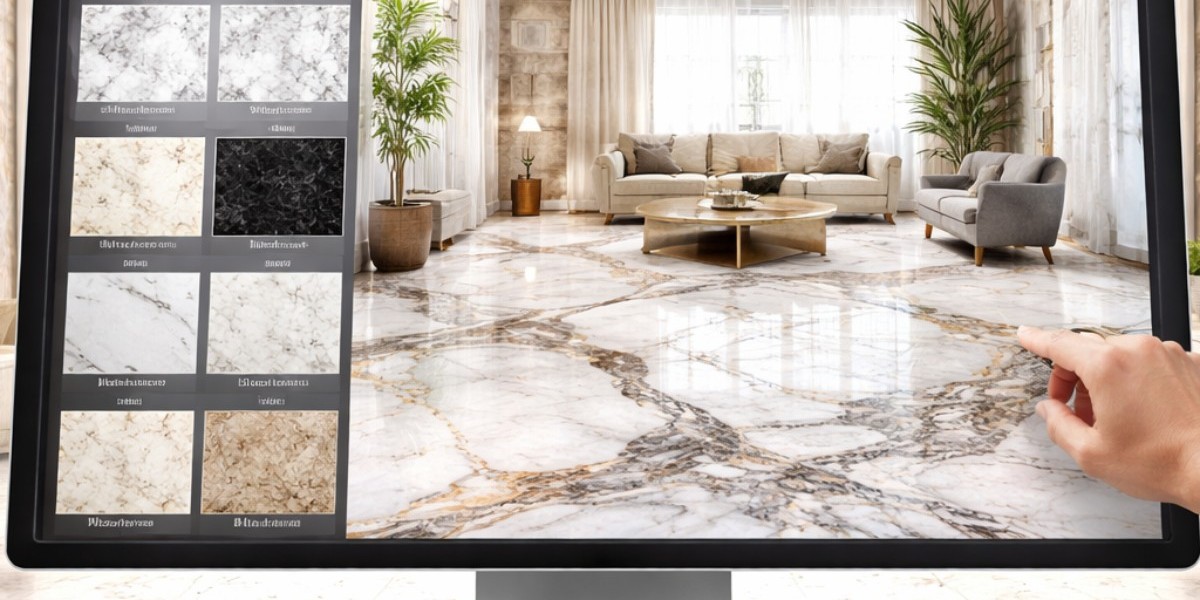

Marble has always been a symbol of luxury, durability, and timeless design. From grand flooring and statement walls to countertops and feature surfaces, it plays a defining role in both residential and commercial spaces. Yet despite its importance, selecting marble has traditionally been a difficult and uncertain process. Buyers often rely on small samples, printed catalogs, or showroom lighting that looks very different from their actual space. This gap between imagination and reality is where a marble visualizer creates a powerful shift.
A marble visualizer is a digital solution that allows users to see marble applied directly inside a room before making a purchase. Instead of guessing how a slab will look once installed, customers can upload a real photo of their space or choose a reference room and instantly preview multiple marble options. The visualizer reflects realistic textures, vein patterns, finishes, and lighting conditions, giving users a clear understanding of how the marble will appear in real life.
For homeowners and end customers, the biggest advantage of using a marble visualizer is confidence. Marble is a long-term investment, and mistakes are expensive to fix. By visualizing the final outcome in advance, customers can make decisions with clarity and peace of mind. They can compare different slabs, finishes like polished or matte, and even explore how lighting affects the look of the stone throughout the day. This reduces confusion and helps buyers feel assured about their choice.
Architects and interior designers also benefit greatly from a marble visualizer. Communicating design intent to clients can be challenging, especially when clients struggle to interpret drawings or mood boards. A visualizer bridges this gap by turning concepts into realistic visuals. Designers can quickly show how different marble options impact the overall space, making approvals faster and collaboration smoother.
From a business perspective, marble visualizers are reshaping sales and marketing strategies. Marble dealers, manufacturers, and exporters can use the tool in showrooms, during client meetings, or even for remote consultations. When customers can see the marble in their own environment, decisions happen faster. This shortens sales cycles, improves conversion rates, and reduces the need for repeated follow-ups.
Another important benefit is the reduction in physical sampling. Transporting marble samples, especially for international clients, can be costly and time-consuming. A marble visualizer minimizes this dependency by delivering a realistic digital experience upfront. This not only saves cost but also allows brands to scale their sales efforts without logistical limitations.
Modern marble visualizers focus on realism rather than perfect-looking renders. By working with real room images instead of generic 3D environments, the visuals feel authentic and trustworthy. Customers are more likely to commit when they believe what they see reflects reality. This trust plays a critical role in selling premium materials like marble.
As digital experiences become central to buying decisions, marble visualizers are no longer optional tools. They are becoming a standard expectation, especially among premium buyers who value clarity and personalization. Brands that adopt this technology position themselves as innovative, customer-focused, and aligned with modern buying behavior.
In conclusion, a marble visualizer changes the way marble is experienced long before installation. It replaces uncertainty with understanding, speeds up decision-making, and builds trust between buyers and sellers. For anyone involved in marble selection, design, or sales, embracing visualization technology is a step toward smarter, more confident outcomes.