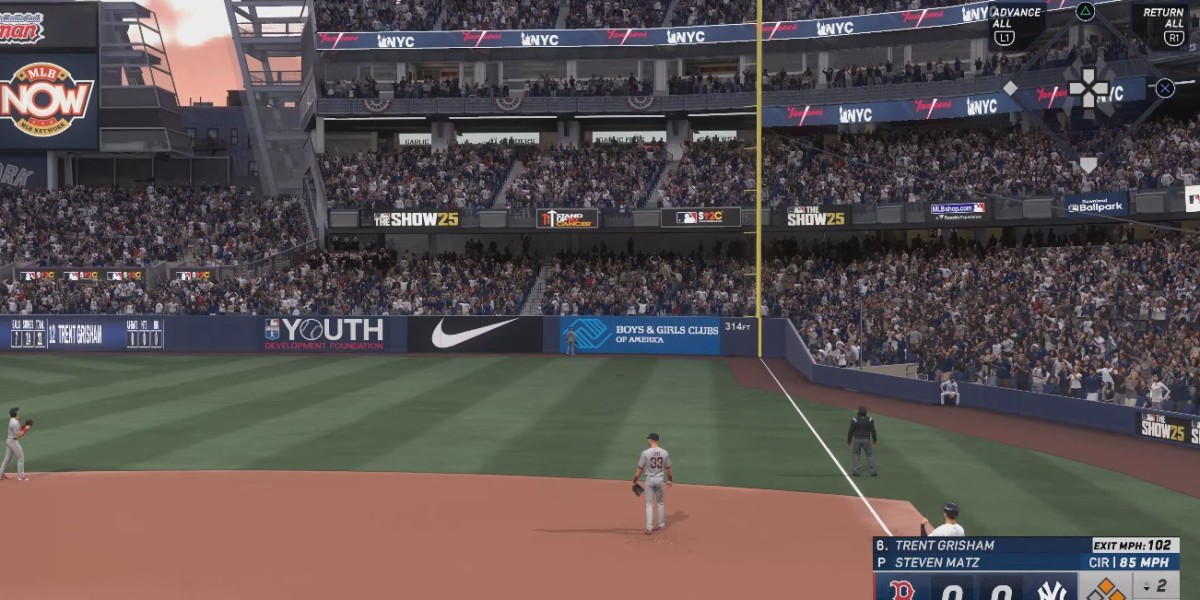

In MLB The Show 26, one of the most common challenges for pitchers is dealing with power hitters. These hitters can quickly turn a game around with a single swing, making it essential for pitchers to adjust their strategy when facing them. This article is aimed at helping you, the player, understand how to effectively pitch against power hitters in MLB The Show 26. We’ll break down some key strategies, common player behaviors, and tips that will make it easier to handle these dangerous batters.
What Is a Power Hitter in MLB The Show 26?
A power hitter in MLB The Show 26 is a batter who excels at hitting for power, meaning they have high attributes in contact and power, particularly against fastballs and breaking pitches. These hitters are dangerous because they don’t need much contact to send the ball flying out of the park. They thrive on fast pitches or hanging off-speed deliveries, and their ability to punish mistakes makes them a real threat.
When you're up against a power hitter, your primary goal as a pitcher is to avoid leaving pitches in the middle of the plate. This is especially true when facing hitters with power against specific types of pitches, such as fastballs or sliders. So, it’s important to understand how to adjust your pitching strategy to keep them from doing damage.
How Should You Approach Power Hitters?
When you’re facing power hitters, the key is to keep them off balance and avoid giving them good pitches to hit. This involves throwing pitches in locations where they have a harder time making solid contact. Here are some practical tips for doing just that:
1. Work the Corners
A power hitter’s greatest weapon is the ability to square up on pitches. The best way to limit their ability to make solid contact is to throw pitches on the corners of the strike zone, especially on the outer part of the plate. This forces the hitter to chase pitches on the edges or swing at pitches that are difficult to drive.
For example, if you're facing a right-handed power hitter, try throwing a fastball on the outer part of the plate. You can follow this up with an off-speed pitch like a slider low and away. This strategy not only makes it difficult for the batter to make good contact but also sets up potential strikeouts or weak contact.
2. Use Off-Speed Pitches
Power hitters often feast on fastballs in the middle of the plate. To counter this, you’ll want to rely more on off-speed pitches like curveballs, changeups, and sliders to disrupt their timing. These pitches are slower and can fool even the most dangerous hitters.
For instance, if you’ve been throwing fastballs up in the zone, try mixing in a curveball or changeup just below the knees. Power hitters tend to swing early when they think it’s a fastball, so throwing these pitches low in the strike zone can induce weak ground balls or swings and misses.
3. Avoid Leaving Pitches Up in the Zone
Power hitters are at their best when they can get their bat on high pitches. Fastballs in the upper part of the strike zone are easy to drive, especially for those with good power attributes. So, try to keep your pitches low in the zone. Low fastballs, sliders, or curveballs make it more difficult for power hitters to get under the ball and launch it out of the park.
If you do need to throw a fastball up in the zone, make sure it’s in a location where the hitter is less likely to get good wood on it. For example, aim for the high inside corner, where the hitter might get jammed or pull the ball foul.
4. Mix Your Pitches
Power hitters thrive on predictability, so mixing up your pitches and locations is crucial to keeping them off-balance. If you’re throwing fastballs high, follow it with a changeup low. If you’re throwing sliders, vary the speed and location of your pitches. The more unpredictable you are, the less likely it is that the hitter will lock in on one pitch type.
Remember that throwing a variety of pitches doesn’t just mean switching from a fastball to a slider or curveball; it also involves changing the location and timing of each pitch. A hitter who is prepared for an outside pitch can get caught off guard by an inside pitch or a curveball that drops unexpectedly.
5. Don’t Be Afraid to Walk Them
Sometimes, the best way to neutralize a power hitter is to avoid facing them altogether. If a batter is a significant threat, and you feel like you can’t get them out with your current pitch mix, consider walking them. This is especially true in situations where the game is tied or you don’t want to risk giving up a home run.
While walking a power hitter can seem counterintuitive, it may be the right move if you have an opportunity to face a weaker hitter in the next spot of the order. Always consider the context of the game, such as the score, inning, and situation, before deciding to intentionally walk a batter.
What Common Mistakes Do Players Make Against Power Hitters?
Even experienced players sometimes struggle against power hitters. Here are some common mistakes that can lead to disastrous outcomes:
1. Over-Reliance on Fastballs
Many pitchers fall into the trap of over-relying on their fastball, especially when they’re ahead in the count. While a fastball is an important pitch, throwing it too often or in the wrong location can leave you vulnerable to big swings. As mentioned earlier, power hitters excel at hitting fastballs, especially when they’re in favorable counts (like 2-0 or 3-1). To avoid getting burned, mix in your off-speed pitches and keep your fastballs on the edges of the strike zone.
2. Not Adjusting to the Situation
Every power hitter has their weaknesses, and it’s important to adjust your strategy based on how the batter is performing. If a hitter has been struggling with off-speed pitches, don’t be afraid to throw more breaking balls. If they’re sitting fastball, start mixing in more changeups or curveballs to get them off balance.
Sometimes, players stick too rigidly to their game plan without considering how the batter is reacting. A good pitcher adjusts and reads the batter’s tendencies. Take note of how the power hitter is swinging early in the at-bat and adapt accordingly.
3. Giving In to Pressure
When you face a power hitter, it’s easy to get nervous and overthink your pitch selection. If you fall behind in the count (e.g., 2-0 or 3-1), you might feel pressure to throw a strike, but doing so can give the batter a perfect pitch to hit. It’s important to maintain composure, even if the batter seems locked in. Stick to your plan, keep making quality pitches, and trust your abilities.
How Can I Improve My Pitching Against Power Hitters?
The best way to improve your pitching strategy against power hitters is to practice. Spend time in training modes where you can face power hitters and experiment with different pitch types, locations, and strategies. Also, take note of how power hitters behave when you pitch to them in the game. Some will swing at high fastballs, while others might struggle with low curveballs. By learning the patterns and tendencies, you can develop a more effective pitching plan for each hitter you face.
Another great tip is to invest in your pitcher’s attributes. Having a pitcher with good velocity and control can help you execute your strategies better. If you’re looking to enhance your in-game experience, consider using your stubs to upgrade your pitchers. If you’re looking to buy MLB The Show 26 stubs, this can help you get better players for a more competitive edge.
Pitching against power hitters in MLB The Show 26 can be tricky, but by mixing up your pitches, working the corners, and avoiding predictable mistakes, you can minimize the damage. Keep experimenting with different strategies, stay composed, and adjust your approach based on the hitter’s tendencies. By being smart and strategic, you can shut down even the most dangerous power hitters in the game.