

Unlock the Beauty: Discover the Allure of Asian-Inspired Dinnerware!
Asian-inspired dinnerware has rapidly gained popularity in contemporary dining, captivating the hearts of enthusiasts and collectors alike. The fusion of traditional craftsmanship with modern aesthetics creates a unique appeal that transcends cultures. Imagine hosting a dinner party where the table is adorned with exquisite pieces that tell stories of ancient traditions while seamlessly fitting into a modern setting. These dinnerware sets not only serve as practical dining tools but also as artistic expressions that enhance the overall dining experience. Whether you're enjoying a simple family meal or hosting a lavish gathering, Asian-inspired dinnerware can transform your table into a canvas of beauty and culture.
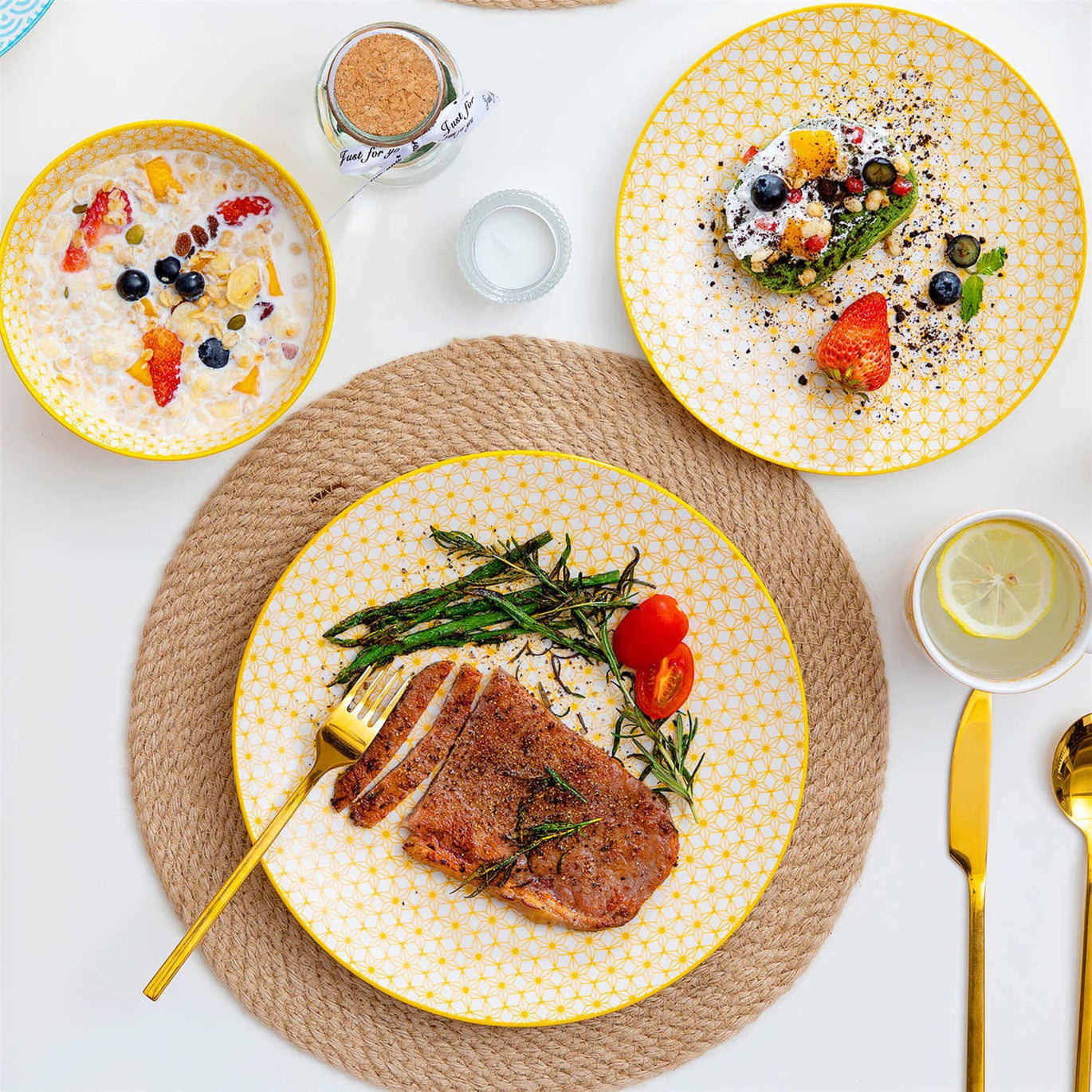
Exploring the Features of Asian-Inspired Dinnerware
The beauty of Asian-inspired dinnerware lies in its distinctive features that showcase the craftsmanship and cultural significance behind each piece. Materials such as porcelain, stoneware, and bamboo are commonly used, each offering unique textures and durability. Porcelain, known for its strength and translucence, is a hallmark of many Asian dinnerware sets, particularly in Chinese and Japanese designs. The craftsmanship involved in creating these pieces is often meticulous, with artisans dedicating hours to perfecting each detail. Design elements play a crucial role as well; intricate patterns, vibrant colors, and symbolic motifs often reflect the rich heritage of the culture they represent. For instance, the use of blue and white patterns in Chinese porcelain is not just visually striking but also holds historical significance, representing harmony and purity. Additionally, many Asian dinnerware sets feature natural elements and organic shapes, embodying a connection to nature that enhances the dining experience.
Diverse Styles of Asian Dinnerware
Asian dinnerware is incredibly diverse, reflecting the unique styles and traditions of various cultures across the continent. Japanese dinnerware, for instance, is characterized by its elegance and simplicity. Pieces like Kutani and Arita ceramics often embody the principle of wabi-sabi, which finds beauty in imperfection and transience. The muted colors and natural textures create a serene dining atmosphere, making each meal feel like a special occasion. In contrast, Chinese dinnerware is renowned for its intricate designs and vibrant colors. The rich history of Chinese porcelain dates back centuries, with each piece often depicting scenes from folklore or nature, imbued with symbolic meanings that resonate with Chinese culture. Korean dinnerware typically highlights the beauty of simplicity as well, with a focus on clean lines and earthy tones. Thai dinnerware, on the other hand, often showcases bold colors and lively patterns, reflecting the vibrancy of Thai culture and cuisine. Each style offers a unique glimpse into the traditions and values of its origin, inviting diners to appreciate the rich tapestry of Asian heritage.
Japanese Dinnerware
Japanese dinnerware is a testament to the country's aesthetic principles, particularly the concept of wabi-sabi, which celebrates the beauty of imperfection and the natural world. Kutani and Arita ceramics are two renowned styles that showcase this philosophy. Kutani wares often feature vivid colors and intricate designs, drawing inspiration from nature and traditional Japanese art. Arita porcelain, known for its fine quality and delicate craftsmanship, embodies elegance with its intricate patterns and minimalist approach. These pieces not only serve as functional dining tools but also as artistic expressions that elevate the dining experience.
Chinese Dinnerware
The history of Chinese porcelain is rich and fascinating, with its origins tracing back to the Han Dynasty. Chinese dinnerware is renowned for its intricate designs, often depicting mythical creatures, floral patterns, or symbols of prosperity. Blue and white porcelain, with its striking contrast and detailed artistry, has become emblematic of Chinese ceramic art. Each design holds symbolic meanings, such as longevity, happiness, and good fortune, making these pieces not just beautiful but also steeped in cultural significance. The craftsmanship involved in producing these delicate wares is a labor of love, passed down through generations, ensuring that each piece tells a story of its own.
Cultural Significance of Asian Dinnerware
In many Asian cultures, dinnerware plays a significant role beyond mere functionality. It is often intertwined with tradition and ceremonies, serving as an essential element during family gatherings and festive occasions. For instance, in Chinese culture, the presentation of food on beautifully crafted dinnerware is a gesture of hospitality and respect towards guests. The choice of dinnerware can set the tone for the gathering, reflecting the host's cultural heritage and personal style. Similarly, Japanese tea ceremonies elevate the experience of serving tea, where the choice of tea utensils, including the cups and plates, is crucial to the overall aesthetic and ambiance. These cultural practices highlight the importance of dinnerware in fostering connections, celebrating traditions, and creating memorable dining experiences that resonate with meaning.
Enhancing Dining Experiences with Elegant Dinnerware
Asian-inspired dinnerware offers a captivating blend of beauty, culture, and functionality that enhances any dining experience. From the intricate designs of Chinese porcelain to the serene elegance of Japanese ceramics, these pieces invite us to explore and appreciate the rich traditions they represent. By incorporating Asian-inspired dinnerware into our homes, we not only elevate our dining aesthetics but also connect with the stories and values of distant cultures. So, whether you are setting the table for a casual meal or a special occasion, consider the enchanting allure of Asian-inspired dinnerware to create a dining experience that is both beautiful and meaningful.