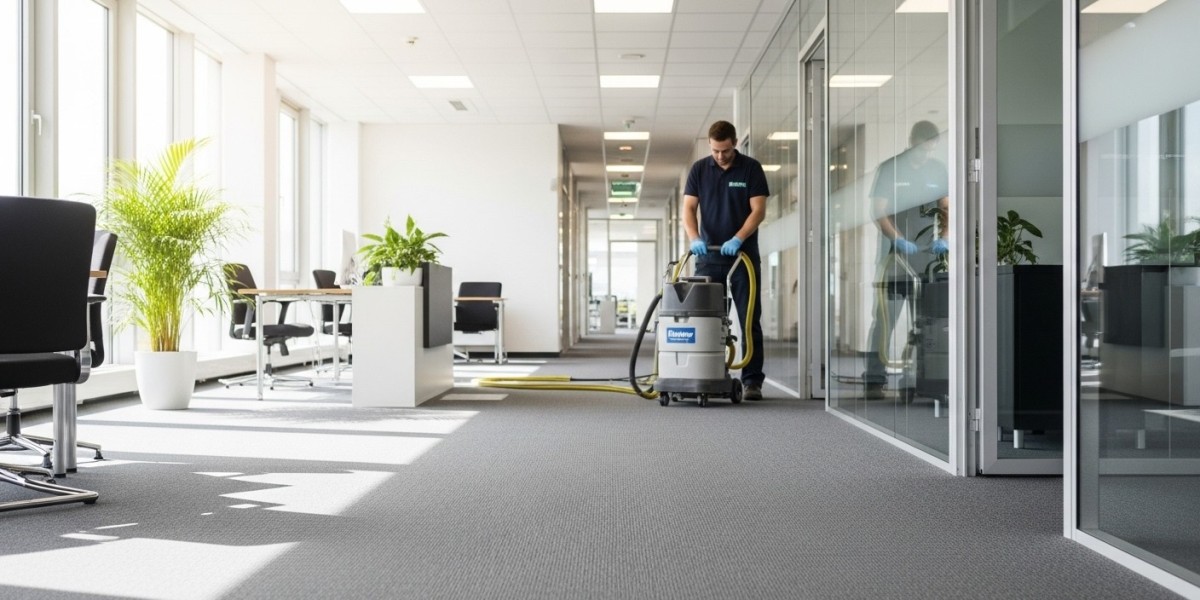

Clean office carpets are not just about appearance they play a critical role in employee well-being, brand reputation, and the overall working environment. In busy commercial spaces, carpets are exposed daily to foot traffic, dirt, dust, spills, and airborne pollutants that slowly settle deep into the fibers. Over time, this buildup can make even a modern, well-designed office look unprofessional and feel unhygienic.
For this reason, business carpet maintenance should be treated as an ongoing operational priority rather than an occasional task. A structured and realistic carpet cleaning schedule helps businesses maintain cleanliness, protect their flooring investment, and create a healthier workplace. This guide offers a practical, experience-based approach to help high-traffic businesses understand how often office carpets should be cleaned, why it matters, and how to manage carpet care efficiently.
Why Office Carpet Cleaning Frequency Matters
Office carpets are constantly exposed to heavy use. Employees, clients, and visitors track in dirt, moisture, bacteria, and pollutants from outside. Food crumbs, beverage spills, and dust particles gradually sink into carpet fibers, where regular vacuuming alone cannot reach.
Ignoring routine business carpet maintenance can lead to several problems, including:
Poor indoor air quality caused by trapped dust and allergens
Increased allergies and respiratory discomfort among employees
Persistent odors that affect workplace comfort
Faster deterioration of carpet fibers
Negative first impressions for clients and visitors
A consistent and well-planned cleaning routine protects both your people and your property. Clean carpets contribute to a healthier environment, improve morale, and reflect professionalism.
Factors That Determine How Often Office Carpets Need Cleaning
There is no universal cleaning schedule that works for every business. Carpet maintenance frequency depends on several practical factors that must be evaluated carefully.
1. Level of Foot Traffic
Foot traffic is the most important factor when determining cleaning frequency. The more people walk across the carpet, the faster dirt and debris accumulate.
High-traffic areas typically include:
Reception and waiting areas
Hallways and corridors
Conference and meeting rooms
Break rooms and cafeterias
Elevators, stairways, and entrances
These areas require more frequent attention than private offices or low-use spaces.
2. Type of Business
Different industries experience different usage patterns and hygiene requirements.
Corporate offices: Moderate traffic with predictable cleaning needs
Retail stores: Heavy daily traffic from customers
Healthcare facilities: Strict cleanliness and sanitation standards
Hotels: Constant guest movement and luggage traffic
Educational institutions: High daily foot traffic and spill risks
Each business type benefits from a customized commercial carpet cleaning schedule based on real usage.
3. Carpet Material and Quality
Carpet construction plays a major role in maintenance needs. Low-pile commercial carpets are designed to resist dirt buildup and are easier to clean, while thicker or textured carpets trap more debris and require deeper cleaning methods.
Higher-quality carpets last longer but still need consistent care to maintain their appearance and performance.
4. Local Environment and Climate
Businesses located in urban, dusty, rainy, or industrial areas require more frequent carpet cleaning. Moisture, pollution, and outdoor debris are easily tracked indoors, accelerating carpet contamination.
Recommended Carpet Cleaning Schedule for High-Traffic Businesses
Below is a practical and proven cleaning schedule commonly followed by professional facility managers and commercial cleaning experts.
Daily Carpet Maintenance (Essential)
Daily maintenance is the foundation of effective carpet care. It prevents surface dirt from settling deep into fibers and causing long-term damage.
Daily tasks include:
Vacuuming all high-traffic areas
Spot-cleaning visible stains and spills
Removing dirt and debris near entrances
Daily vacuuming alone can eliminate up to 80% of loose dirt, making it one of the most cost-effective steps in business carpet maintenance.
Weekly Carpet Care
Weekly cleaning focuses on maintaining hygiene and visual appeal throughout the office.
Weekly tasks include:
Thorough vacuuming of all carpeted areas
Edge, corner, and under-furniture cleaning
Light stain treatment and odor inspection
This level of care keeps carpets looking presentable and extends the time between deep cleanings.
Monthly Carpet Maintenance
Monthly maintenance addresses deeper surface-level dirt that daily and weekly cleaning may miss.
Monthly tasks include:
Low-moisture carpet cleaning
Encapsulation cleaning methods
Odor control treatments
These techniques are ideal for busy offices because they offer quick drying times and minimal disruption to daily operations.
Quarterly Deep Carpet Cleaning (Every 3–4 Months)
For high-traffic businesses, deep cleaning every three to four months is strongly recommended.
Deep cleaning methods include:
Hot water extraction
Steam carpet cleaning
Commercial carpet shampooing
Quarterly deep cleaning removes embedded dirt, bacteria, allergens, and oils that regular cleaning cannot reach.
Annual Professional Carpet Restoration
At least once a year, carpets should undergo a full professional inspection and restoration cleaning.
Annual services may include:
Carpet fiber rejuvenation
Protective coating applications
Heavy stain and odor removal
Mold, allergen, and bacteria control
This step significantly extends carpet lifespan and protects your flooring investment.
How Poor Carpet Maintenance Affects Your Business
Neglecting business carpet maintenance impacts more than cleanliness; it affects overall business performance.
1. Employee Health and Productivity
Dirty carpets trap dust mites, bacteria, and allergens that circulate through the air. Poor indoor air quality can lead to increased sick days, discomfort, and reduced productivity.
2. Brand Image and First Impressions
Clients and visitors immediately notice flooring conditions. Stained, worn, or unpleasant-smelling carpets send a message of neglect and poor attention to detail.
3. Higher Long-Term Costs
Replacing carpets is significantly more expensive than maintaining them. Regular cleaning reduces fiber damage and delays costly replacements.
Best Carpet Cleaning Methods for Commercial Offices
Choosing the right cleaning method ensures effective results without interrupting business operations.
Hot Water Extraction (Steam Cleaning)
Ideal for deep cleaning
Removes stubborn dirt and allergens
Requires longer drying time
Low-Moisture Cleaning
Fast drying
Suitable for offices that remain operational
Excellent for routine maintenance
Encapsulation Cleaning
Uses crystallizing agents to trap dirt
Easy vacuum removal
Cost-effective for frequent cleaning
A combination of these methods provides the best results for long-term business carpet maintenance.
DIY Carpet Cleaning vs Professional Services
DIY Carpet Cleaning
Pros:
Lower upfront cost
Useful for quick spot treatments
Cons:
Limited cleaning depth
Risk of over-wetting carpets
Inconsistent results
Professional Carpet Cleaning
Pros:
Industrial-grade equipment
Skilled and trained technicians
Superior stain, odor, and allergen removal
Compliance with commercial hygiene standards
For high-traffic businesses, professional carpet cleaning is a necessity not a luxury.
Signs Your Office Carpets Need Immediate Cleaning
Do not wait for your scheduled cleaning if you notice these warning signs:
Persistent or musty odors
Stains that continue to spread
Flattened or matted carpet fibers
Increased employee allergy complaints
Visible dust even after vacuuming
These are clear indicators that your business carpet maintenance plan needs immediate attention.
How to Create a Carpet Maintenance Plan for Your Business
A structured plan ensures consistency and long-term results.
Steps to follow:
Identify high-traffic zones
Establish daily, weekly, and monthly tasks
Partner with a reliable professional carpet cleaner
Track cleaning dates and results
Adjust frequency as foot traffic changes
Consistency is the key to maintaining clean, durable carpets.
Conclusion
Regular carpet cleaning is not an optional expense but a strategic investment for high-traffic businesses that want to maintain a healthy, professional, and welcoming environment. Clean carpets play a vital role in improving indoor air quality, reducing allergens, and creating a positive impression on employees, clients, and visitors. When carpet care is approached proactively, businesses protect their flooring assets, support employee well-being, and reinforce their brand’s commitment to cleanliness and professionalism.
Understanding and maintaining the correct office carpet cleaning frequency is essential for achieving long-term results. A well-structured business carpet maintenance plan including daily vacuuming, consistent weekly care, quarterly deep cleaning, and annual professional restoration helps prevent premature wear, controls hidden contaminants, and reduces costly replacements. By investing in a consistent cleaning schedule, businesses ensure their carpets remain clean, durable, and visually appealing while supporting a productive and professional workplace.
Frequently Asked Questions
1. How often should office carpets be cleaned in high-traffic areas?
High-traffic areas should be vacuumed daily and professionally deep cleaned every 3–4 months.
2. Is daily vacuuming really necessary?
Yes. Daily vacuuming prevents dirt from damaging carpet fibers and improves air quality.
3. What is the best carpet cleaning method for offices?
A combination of low-moisture cleaning for maintenance and hot water extraction for deep cleaning works best.
4. Can dirty carpets affect employee health?
Yes. Dirty carpets trap allergens, dust, and bacteria that impact indoor air quality.
5. How long does professional carpet cleaning take?
Most offices can be cleaned within a few hours, depending on size and cleaning method.
6. How long do carpets take to dry after cleaning?
Low-moisture methods dry in 1–2 hours, while steam cleaning may take 6–12 hours.
7. Is professional carpet cleaning expensive?
Routine maintenance is far more affordable than replacing damaged carpets.
8. Do carpets really affect first impressions?
Absolutely. Clean carpets instantly communicate professionalism and care.
9. How can I extend the life of office carpets?
Follow a consistent business carpet maintenance schedule and address stains promptly.
10. Should I hire a professional carpet cleaning company?
Yes. Professional services provide deeper cleaning, better hygiene, and long-term savings.