
A tile visualizer is no longer a “nice-to-have” feature on a tile website. It has become one of the most effective tools for turning browsing into real buying decisions. Today’s customers don’t want to guess how a tile will look under their lighting, in their room, next to their furniture, or with their wall color. They want certainty. They want to see the result before they spend money, especially because tile is a high-commitment purchase that affects the whole look of a home.
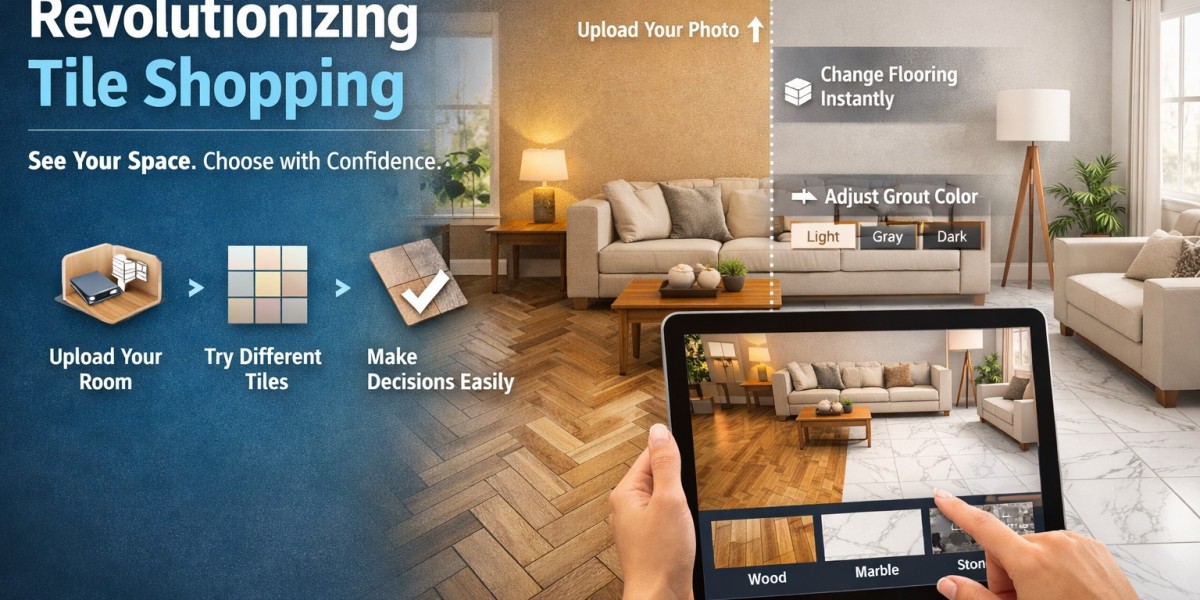
That’s exactly where a tile visualizer changes the game. Instead of relying on small samples, showroom visits, and flat product photos, customers can upload their own room photo and preview tiles instantly. This helps them understand scale, pattern alignment, grout choices, and overall vibe in a way that static images can’t. For a brand, this is not just a “cool feature.” It reduces confusion, shortens the decision cycle, and increases conversion rates because the customer feels confident.
From the customer side, the buying journey becomes simpler. They can test multiple designs quickly, compare light vs dark, glossy vs matte, and even check different layout styles like straight lay, staggered, herringbone, or diagonal. In many cases, they can also preview grout color changes, which is one of the most common reasons customers second-guess after ordering. A strong tile visualizer gives them that “yes, this is it” moment much faster.
From the brand side, the benefits are even more powerful. The biggest challenge tile companies face online is that customers hesitate. They worry about mismatch, wrong scale, or regret after installation. That hesitation kills conversions. When a tile visualizer removes doubt, the brand stops competing only on price and starts competing on experience. The customer spends more time on the website, explores more SKUs, and becomes far more likely to request a quote, visit a dealer, or place an order.
A tile visualizer also helps brands sell premium collections more easily. Premium tiles often look best in real-world settings, not just in studio shots. When customers see a premium marble-look tile or designer pattern tile in a realistic room preview, it becomes easier for them to justify the higher price. That is how visualization directly supports higher average order value, not just higher conversions.
For dealer networks, a tile visualizer becomes a lead generation engine. Instead of random enquiries, brands can capture high-intent leads by offering “Try in your room” as the main CTA. When customers engage with the tool, you can understand what they like, which tiles they shortlisted, and what room type they are working on. This allows dealers and sales teams to follow up with relevance, not generic messaging.
In a competitive market where customers compare multiple brands quickly, a tile visualizer is a clear differentiator. It signals that your brand is modern, customer-first, and confident in the product quality. It also reduces product returns and post-purchase dissatisfaction because buyers know what they are getting. In simple terms, a tile visualizer doesn’t just help customers visualize tiles. It helps brands sell tiles faster, at better margins, with fewer objections.
If you’re submitting an article around the keyword tile visualizer, the message is simple: brands that help customers see tiles in their own space win. The future of tile selling is not more samples and more photos. It is instant, realistic, room-based visualization that makes buying decisions easy.