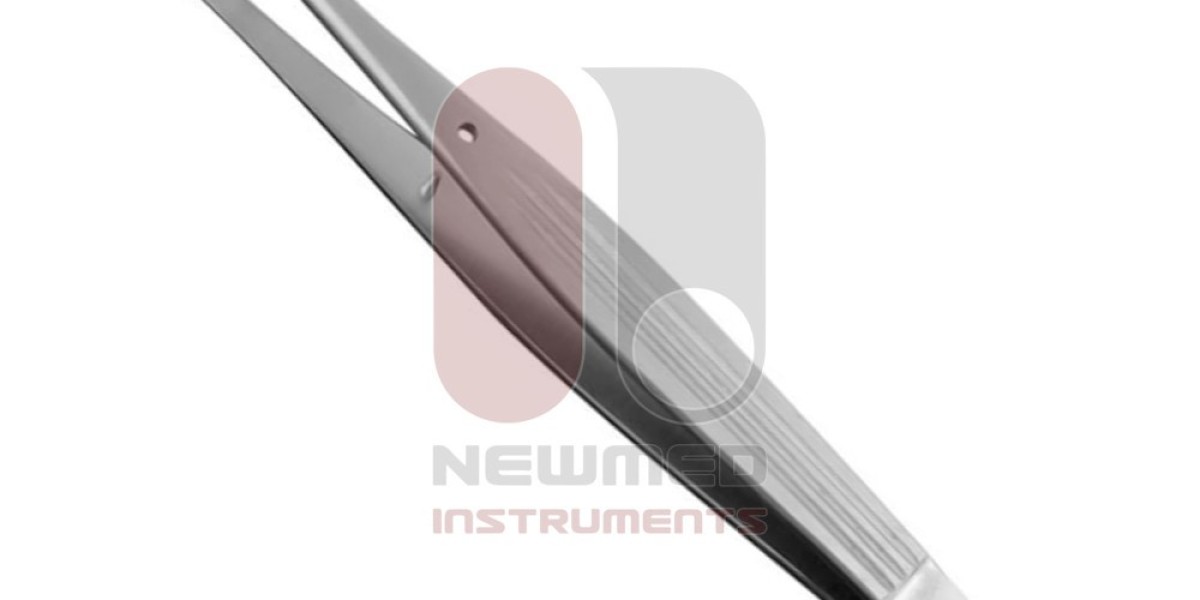

Surgeons rely heavily on the extension of their hands to perform delicate procedures that save lives and improve patient outcomes. The success of any surgical intervention often hinges not just on the skill of the medical professional but also on the reliability of the tools they use. Among the vast array of equipment found in an operating theater, few items are as ubiquitous or as vital as the humble yet sophisticated grasping instrument. These tools must be crafted with exacting standards to ensure they function flawlessly under pressure. New Med Instruments seeks to provide quality surgical instruments and superior service to surgeons, students, and healthcare professionals all over the world who value perfect and precise results for their patients. When a surgeon reaches for an instrument, they need the confidence that it will grip, hold, or manipulate tissue exactly as intended without slippage or damage.
The Versatility of Hemostatic Clamps in Procedure Control
One of the primary functions of surgical grasping tools is hemostasis, or the controlling of bleeding during a procedure. This is where high-quality medical forceps prove their immense worth by clamping blood vessels securely. These instruments come in various sizes and curvatures to address different anatomical needs, from delicate pediatric surgeries to major abdominal operations. A surgeon might select a mosquito clamp for small, superficial vessels or a larger Kelly clamp for heavier tissues. The locking mechanisms on these tools allow the surgeon to maintain constant pressure without manual effort, freeing their hands for other critical tasks. Without the ability to effectively stop blood flow, surgical fields would become obscured, and patient safety would be compromised, highlighting the essential nature of these precision devices.
Tissue Handling and the Need for Atraumatic Grasping
Beyond controlling bleeding, surgeons frequently need to hold or retract tissue to gain better visibility or access to the surgical site. This requires tools designed to grip tissue firmly without causing unnecessary trauma or crushing delicate structures. Different tip designs, such as toothed or smooth jaws, allow for appropriate handling depending on the tissue type. For instance, Adson forceps are commonly used for handling dense tissue like skin during closure, while DeBakey forceps are designed with a specific non-traumatic grip for delicate vascular work. The right medical forceps can make the difference between a clean, efficient dissection and one that causes postoperative complications due to tissue damage. The tactile feedback provided by a well-made instrument allows the surgeon to feel the tissue's resistance and adjust their grip accordingly.
Why Material Quality Matters for Longevity and Safety
The durability and sterility of surgical instruments are non-negotiable aspects of medical care. High-grade stainless steel is the material of choice because it resists corrosion, maintains its structural integrity through repeated sterilization cycles, and holds a precise edge or grip over time. Inferior materials can degrade, leading to pitted surfaces that harbor bacteria or mechanical failure during critical moments. When a hospital invests in superior medical forceps, they are investing in patient safety and long-term cost-effectiveness. Instruments that maintain their alignment and tension reduce the frustration of the surgical team and ensure that every movement translates accurately to the operative field. It is this commitment to quality that ensures healthcare professionals can perform at their best, day in and day out.
Selecting the Right Tool for Specialized Procedures
The sheer variety of surgical specialties demands a corresponding variety in instrumentation. An ophthalmic surgeon requires microscopic precision tools that are vastly different from the robust instruments used by an orthopedic surgeon. This specialization means that the category of medical forceps encompasses a massive range of designs, each tailored to a specific physiological challenge. Splinter forceps have fine points for removing foreign bodies, while sponge forceps have ringed tips for holding gauze. Understanding the nuances of each design is crucial for medical students and seasoned professionals alike. Having access to a comprehensive catalog of specialized instruments ensures that no matter the procedure, the surgical team is equipped to handle the unique anatomical challenges presented by each patient.
The Future of Surgical Precision and Innovation
As medical technology advances, the design and manufacturing of surgical instruments continue to evolve. Ergonomics play a larger role than ever, with manufacturers designing handles that reduce hand fatigue during long procedures. Despite the rise of robotic surgery, the need for reliable manual instruments remains fundamental to medical practice. A surgeon's tactile sense is irreplaceable, and the direct connection provided by manual tools offers feedback that robots cannot yet fully replicate. Whether in a high-tech university hospital or a field clinic, the reliance on dependable medical forceps remains a constant. New Med Instruments understands this enduring need and continues to supply the global medical community with tools that honor the critical nature of their work, ensuring that precision and quality remain at the forefront of healthcare delivery.