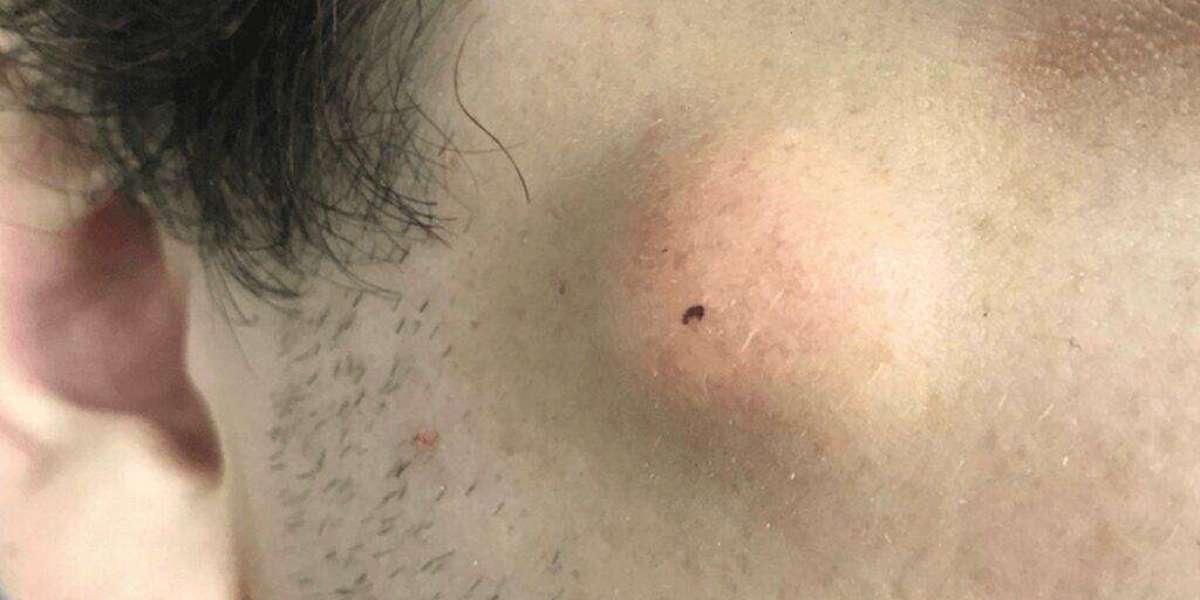

Cysts can appear unexpectedly, whether as a small bump under your skin or a larger, more noticeable lump. Many people ignore them at first, thinking they will go away on their own. However, untreated cysts can grow, become infected, or interfere with daily life. At High Tech Family Care, we help patients understand when drainage of cysts is necessary, how sebaceous cyst removal works, and what to expect from infected cyst treatment. With proper guidance, you can prevent complications, avoid pain, and ensure safe, effective care.
What is Cyst Drainage?
Drainage of cysts is a procedure that removes fluid, pus, or other contents from a cyst. Cysts can form due to clogged sebaceous glands, infections, or underlying skin conditions. While some cysts remain painless and harmless, others can grow quickly, cause discomfort, or become inflamed. Professional removal of sebaceous cysts ensures that the cyst is fully addressed, reducing the risk of recurrence. In cases of infected cyst treatment, drainage prevents the infection from spreading and promotes faster healing.
Cysts can appear anywhere, from the face, neck, and scalp to the back, arms, or legs. Each location may require a slightly different approach for safe cyst drain, highlighting the importance of a skilled healthcare professional.
Signs You Need Cyst Drainage
Knowing when to seek the drainage of cysts can save you from unnecessary discomfort or complications. Look for these warning signs:
Rapid increase in size over days or weeks
Redness, tenderness, or swelling around the cyst
Pain that makes daily activities uncomfortable
Pus or fluid oozing from the cyst
Fever or signs of systemic infection
When any of these symptoms occur, it’s time to schedule an evaluation. Ignoring these signs may require more invasive removal of sebaceous cysts later. Timely care can also prevent the need for more extensive therapy for infected cysts.
Understanding the Causes of Cysts
Cysts can develop for various reasons, and understanding the cause can guide treatment. Common causes include:
Blocked glands: Sebaceous or sweat glands can become clogged, leading to fluid buildup.
Skin infections: Bacterial infections may form abscess-like cysts.
Chronic irritation: Repeated friction or minor injuries can trigger cyst formation.
Genetic conditions: Certain inherited skin conditions predispose people to recurring cysts.
By identifying the cause, healthcare providers can recommend the most appropriate approach, whether that’s cyst removal, elimination of sebaceous cysts, or a combination of treatments.
Factors That Affect Cyst Treatment
Several factors influence how drainage of cysts is performed:
Location: Cysts on visible areas like the face may require precise techniques for minimal scarring.
Size: Larger cysts often need full removal of sebaceous tissue or treatment of the infection with drainage to prevent recurrence.
Infection: Inflamed cysts require antibiotics.
Recurrence: Frequent cysts in the same area might need surgical removal rather than simple drainage.
Your provider will assess these factors to ensure a safe, effective, and minimally invasive treatment plan.
Timing: When to Seek Treatment
Knowing the right time for removing cysts is essential. Waiting too long can increase pain, risk infection, and complicate treatment. Immediate care is advised if:
The cyst is painful or swollen
There is yellow, green, or foul-smelling discharge
Fever or chills accompany the cyst
Daily activities are affected
Prompt attention can make eliminating sebaceous cysts simpler and more effective. Infected cysts respond best to early therapy for infected cysts.
How Cyst Drainage is Performed
At High Tech Family Care, we prioritize safety and comfort during the removal of cysts:
Cleaning and Numbing: The area is sterilized, and local anesthesia is applied to minimize discomfort.
Incision and Drainage: A small incision is made to drain fluid, pus, or other contents.
Treatment for Infection: Infected cysts are treated with appropriate antibiotics.
Closure or Healing: The incision may be closed with stitches or left open to heal naturally, depending on cyst type.
Post-Procedure Instructions: Patients receive guidance to prevent recurrence and support healing.
Your doctor ensures that the removal of sebaceous cysts and treatment for infection are safe, efficient, and tailored to each patient’s needs.
Recovery and Aftercare
After the drainage of a cyst, following proper care instructions is crucial:
Keep the area clean and dry
Change dressings as directed by your provider
Avoid squeezing or picking at the cyst
Monitor for signs of infection, such as redness or swelling
Attend follow-up appointments to ensure complete healing
Proper aftercare minimizes complications, reduces scarring, and lowers the chance of needing repeat procedures.
Preventing Cyst Recurrence
While not all cysts can be prevented, certain steps may reduce recurrence:
Maintain good hygiene to prevent blocked glands
Avoid repetitive friction or irritation on the skin
Treat minor infections promptly
Schedule routine skin checks with your primary care provider
Regular visits to High Tech Family Care can help monitor any recurring cysts and provide timely drainage of cysts when needed.
Why Choose High Tech Family Care?
At High Tech Family Care, we combine experience, advanced techniques, and patient-centered care for cyst removal, elimination of sebaceous cysts, and infectious cyst treatment. Our providers ensure:
Safe, sterile procedures
Minimal discomfort and scarring
Personalized treatment plans
Comprehensive guidance on wound care and prevention
We are committed to helping patients regain comfort, confidence, and peace of mind.
Take control of your skin health today; schedule your appointment with High Tech Family Care for safe and effective cyst treatment.
Don’t let discomfort hold you back!
FAQs
What is cyst drainage?
The drainage of cysts is a procedure to safely remove fluid or pus from a cyst.When should I get sebaceous cyst removal?
Cysts that are large, painful, infected, or recurring require the removal of sebaceous cysts.How is infectious cyst treatment done?
Infected cysts are drained and treated with antibiotics to prevent spreading.Does removing a cyst hurt?
Local anesthesia is used to minimize discomfort during the procedure.How long does it take to heal after cyst drain?
Healing usually takes a few days to a couple of weeks, depending on the cyst type and care.