
There's something about spreading out a blanket on the grass or sand that instantly puts you in a good mood. Whether you're heading to the park for a lazy Sunday lunch or catching waves at the coast, having the right blanket makes all the difference. But with so many options out there, how do you actually pick one that works?
Let's break it down in a simple, no-nonsense way.
Why Your Blanket Choice Actually Matters
Most people grab the first blanket they see and call it a day, until they're sitting on wet grass, brushing sand off their food, or struggling to fold the thing back up. A good blanket isn't just about staying comfortable. It's about making your outdoor time easier and more enjoyable from start to finish.
The best picnic blankets and portable beach blankets share a few common traits: they're easy to carry, simple to clean, durable enough to handle the outdoors, and big enough that you're not sitting on top of each other.
What to Look for in a Picnic Blanket
Size matters more than you think. A blanket that looks big enough in the store can feel cramped the moment you add two adults, a snack spread, and a bag. For a couple, something in the 5x7 ft range works fine. For a family or group, aim for something larger, 7x9 ft or more.
Material is everything. Cotton feels great but soaks up moisture fast. If you're sitting on dewy grass, that's a problem. Bamboo-blend fabrics have become popular because they're soft, breathable, and tend to dry quicker. Fleece is cozy for cooler evenings but can attract every blade of grass in the park.
Waterproofing or a backing layer. A lot of the best picnic blankets come with a water-resistant backing, which means you're not feeling the dampness from below even on slightly wet ground. This is one of those features you don't realize you need until you're sitting on a soaked blanket.
Weight and packability. If you have to hike to your spot or you're traveling light, a heavy blanket is just extra baggage. Look for something that compacts down small, ideally into its own carrying pouch or drawstring bag. It makes a huge difference when you're already carrying food, drinks, and everything else.
What Makes a Great Portable Beach Blanket
Beach blankets face a tougher challenge than picnic blankets. Sand. Wind. Salt water. Sun. They need to handle all of that without falling apart after two seasons.
Sand-resistance is a real thing. Some fabrics naturally release sand more easily than others. A tight weave makes it harder for sand to get stuck in the fibers. Parachute-style nylon and certain woven fabrics do well here.
Dries fast. At the beach, your blanket will get wet, from splashing, from sitting down after a swim, from damp sand. A portable beach blanket that dries quickly means you can pack it up without it smelling like a wet dog by the time you get home.
Lightweight and packable. The same rule applies at the beach. If it doesn't pack small, you'll leave it behind. The best portable beach blankets fold up into a compact carry bag that fits in a backpack or tote without taking over the whole thing.
Big enough for the whole crew. Beach days tend to get social. A blanket that fits your immediate family plus a few friends is always more useful than one that's too small.
Features Worth Paying Extra For
Not every feature is a gimmick. A few are genuinely worth it:
Corner stakes or anchor loops - useful on windy beach days when your blanket keeps blowing up.
Built-in carry bag - saves you from wrestling with folding it the exact right way every single time.
Machine washable - because blankets get dirty. Being able to throw it in the wash is a practical win.
Stylish design - this one's personal, but honestly, when your blanket looks good, you're more likely to use it. A design you love makes the whole outdoor experience feel a little more intentional.
One Blanket for Both?
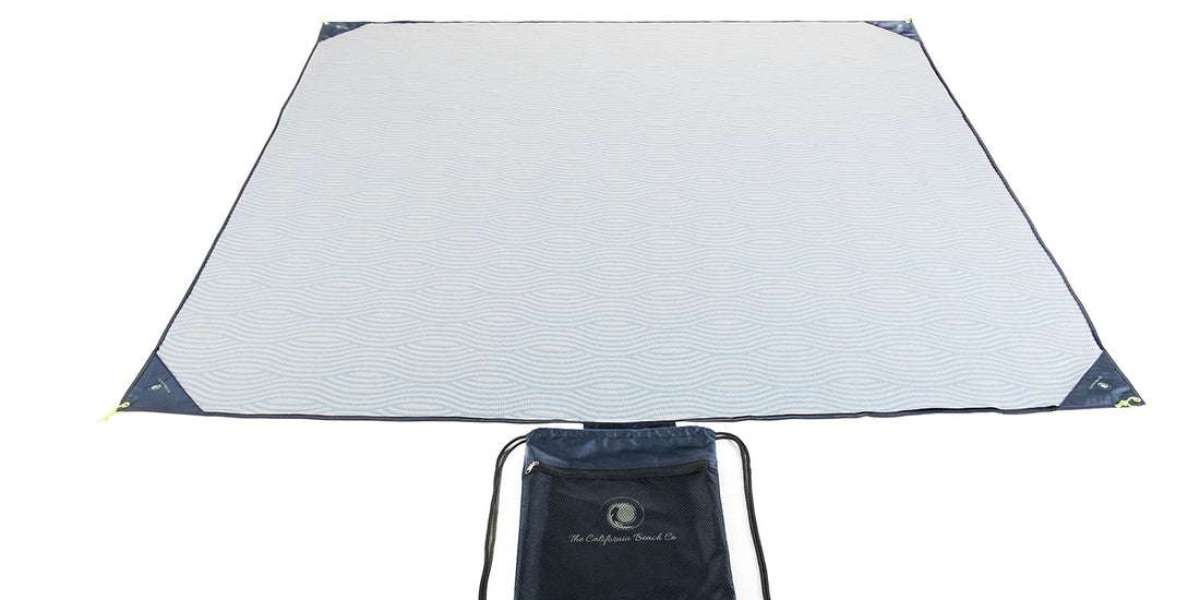
If you're trying to minimize what you buy, look for a versatile blanket that works equally well on grass and sand. Bamboo blankets tend to hit this sweet spot, soft enough for a picnic, durable and light enough for the beach. The California Beach Co.'s Voyager Blanket, for example, is designed exactly for this kind of dual-use. It's soft, packable, and comes in a drawstring backpack that makes it easy to grab and go for any adventure.
FAQ
Q: What's the difference between a picnic blanket and a beach blanket?
Picnic blankets are usually thicker and softer, often with a waterproof backing for damp grass. Beach blankets tend to be lighter, sand-resistant, and faster-drying. That said, many good blankets are designed to handle both situations well.
Q: How big should a blanket be for a family of four?
For four people with some room to spread out, aim for at least 7x9 feet. You'll want enough space for everyone plus any bags, food, or gear.
Q: How do I clean a beach blanket after a sandy day?
Shake it out thoroughly while it's still dry, wet sand sticks much more. Then machine wash on a gentle cycle with cold water. Avoid high heat in the dryer, as it can break down the fibers faster.
Q: Are bamboo blankets actually good for outdoor use?
Yes. Bamboo fabric is naturally soft, breathable, and more durable than it looks. It's also lightweight, which makes it easy to pack. For outdoor blankets, bamboo blends strike a great balance between comfort and practicality.