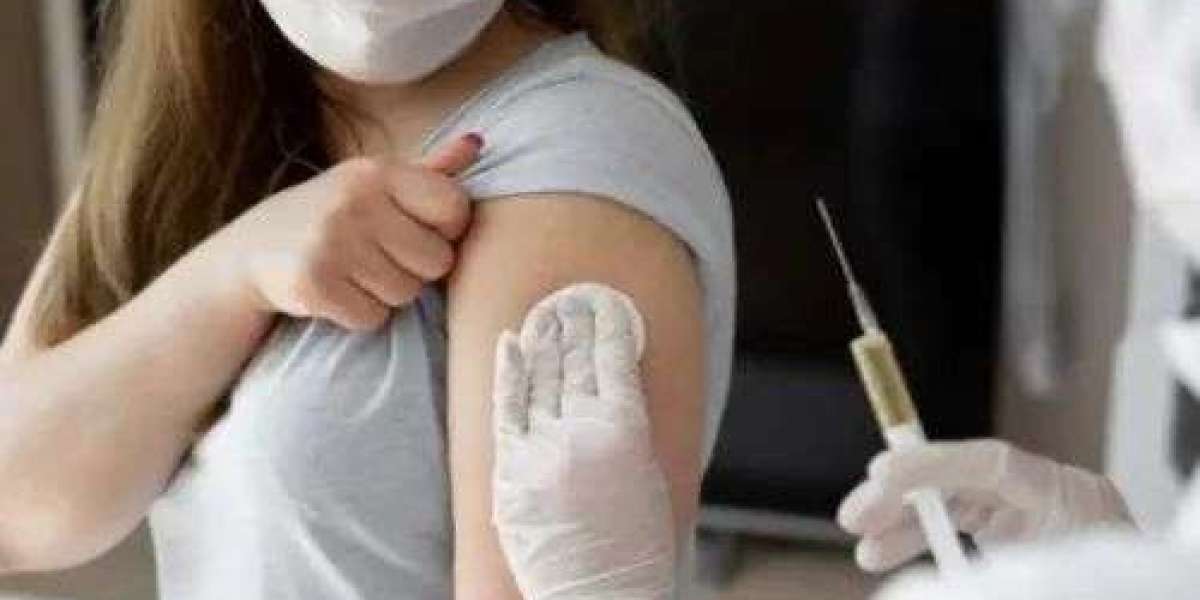

Receiving medical treatment in the comfort of your own space has become increasingly common, especially for people managing chronic conditions, fertility treatments, vitamin deficiencies, or hormone therapy. One of the most frequently asked questions patients have is whether Injection at home is truly safe. The short answer is yes—when performed correctly, with proper guidance and hygiene, it can be just as safe as receiving a shot in a clinical setting. However, understanding the risks, safety protocols, and best practices is essential before getting started.
Understanding What Home Injections Involve:
Home injections refer to prescribed medications that patients or caregivers administer outside a hospital or clinic, typically through subcutaneous or intramuscular methods, depending on the treatment plan. These injections are commonly used for insulin therapy, blood thinners, fertility hormones, vitamin B12 supplementation, biologic medications, and certain pain management therapies. Safety depends heavily on following professional medical advice, receiving proper training, and understanding how dosage, injection sites, and timing affect the medication’s effectiveness.
Who Can Safely Administer Injections at Home:
Not everyone is immediately comfortable with self-injection, but many patients can safely perform the task after receiving instruction from a healthcare provider. Ideal candidates are individuals who:
Have received hands-on training or a clear demonstration
Understand their dosage schedule and prescription details
Can follow hygiene and sterilization guidelines
Feel confident handling needles and syringes
Have no physical limitations that prevent safe administration
Caregivers can also be trained to administer injections safely, particularly for elderly patients or children who require assistance.
Key Safety Guidelines to Follow:
Safety begins with preparation and adherence to medical instructions, as even minor mistakes can increase the risk of infection, incorrect dosing, or discomfort. Essential safety measures include:
Washing hands thoroughly before handling supplies
Using a new, sterile needle and syringe every time
Cleaning the injection site with an alcohol swab
Double-checking the medication name and dosage
Rotating injection sites to prevent tissue damage
Disposing of used sharps in a puncture-resistant container
By consistently applying these practices, patients significantly reduce the likelihood of complications.
Potential Risks and How to Minimize Them:
While generally safe, at-home injections do carry potential risks, particularly if procedures are not followed carefully. Possible complications include localized pain, bruising, mild swelling, infection at the injection site, allergic reactions, and incorrect medication dosing. Minimizing these risks involves ensuring medication is stored properly, allowing refrigerated medication to reach room temperature if recommended, removing air bubbles from syringes, and seeking immediate medical advice if symptoms such as severe redness, warmth, fever, dizziness, or difficulty breathing occur.
Comparing Home Injections to Clinical Settings:
When performed correctly, the safety level of home-administered injections is comparable to that of injections given in clinics; the primary difference lies in who performs the procedure rather than how it is done. In a clinical setting, a trained nurse ensures technique accuracy, while at home, responsibility shifts to the patient or caregiver. However, modern healthcare emphasizes patient education, and many providers offer detailed instruction sessions, printed guidelines, and even virtual support to ensure patients feel fully prepared before beginning independent treatment.
The Importance of Proper Training:
Training is the foundation of safe injection practices, as improper technique is the leading cause of avoidable complications. During instruction sessions, healthcare professionals typically explain:
The correct injection angle (45 or 90 degrees, depending on type)
How to identify appropriate injection sites
Techniques for minimizing discomfort
Steps to remove air bubbles safely
Signs of adverse reactions
Patients are encouraged to ask questions, request demonstrations, and even perform a supervised practice injection before attempting the process alone, building both competence and confidence.
Hygiene and Infection Prevention:
Maintaining strict hygiene standards is non-negotiable when administering any injection outside a sterile clinical environment. Always prepare a clean, clutter-free surface for supplies, avoid touching the needle or cleaned injection site, and never reuse needles or syringes. Keeping supplies stored in a dry, safe area and monitoring expiration dates further enhances safety. Good hygiene habits transform Injection at home into a low-risk routine rather than a hazardous procedure.
When Home Injections May Not Be Recommended:
Although convenient, home injections are not suitable for every situation, particularly if a patient has severe needle anxiety, difficulty understanding instructions, poor vision that affects measurement accuracy, tremors that interfere with steady handling, or a history of severe allergic reactions requiring immediate supervision. In such cases, clinic-based administration may offer greater safety and peace of mind until proper training or support systems are in place.
Benefits That Contribute to Overall Safety:
Interestingly, convenience itself can enhance treatment safety and adherence, as patients who administer medication at home are less likely to miss doses due to travel constraints or scheduling conflicts. Additional advantages include:
Greater privacy and comfort
Reduced transportation costs
Flexible scheduling
Improved consistency in long-term therapies
Empowerment in managing personal health
When patients feel in control of their treatment routines, they are often more diligent and attentive to proper procedures.
Final Thoughts.
So, is Injection at home safe? For most patients, the answer is yes—provided they receive proper training, follow hygiene protocols, and remain attentive to dosage and technique. Like any medical procedure, it carries potential risks, but these are significantly minimized when guidelines are carefully followed. Open communication with healthcare providers, routine monitoring, and responsible disposal practices further enhance safety. If you are considering home-based injection therapy, consult your provider, ask for a full demonstration, and ensure you feel confident before proceeding. With the right preparation and awareness, home injections can be a secure, practical, and empowering part of modern healthcare management.