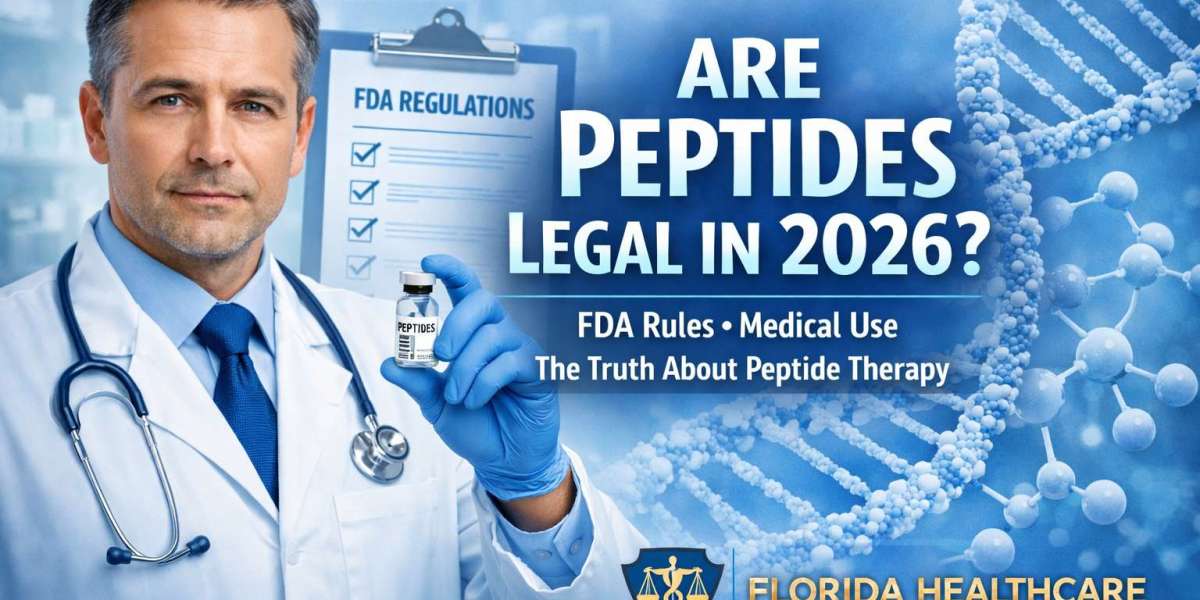

Peptides have become one of the most talked-about topics in modern medicine and biotechnology. From hormone treatments to anti-aging therapies and metabolic health programs, peptide-based treatments are increasingly being explored for their therapeutic potential.
However, the rise of peptide therapy has also created confusion about their legal status. Many healthcare providers, researchers, and patients are asking an important question: Are peptides legal?
The answer depends on several factors, including how peptides are manufactured, marketed, prescribed, and used. Some peptide medications are fully approved and widely used in clinical medicine, while others remain limited to laboratory research or are subject to strict regulatory oversight.
Understanding peptide regulations is essential for healthcare providers, medical businesses, and patients who want to ensure compliance with healthcare laws and patient safety standards.
What Are Peptides?
Peptides are short chains of amino acids that function as signaling molecules within the body. These molecules help regulate many biological processes, including hormone production, immune responses, metabolism, and tissue repair.
Because peptides interact with specific cellular receptors, they can produce targeted biological effects. This makes them valuable tools for developing new medical treatments.
Peptides are currently being studied or used in areas such as:
Hormone replacement therapy
Diabetes treatment
Anti-aging medicine
Weight management programs
Muscle recovery and injury rehabilitation
Metabolic disorder therapies
Researchers are also developing synthetic peptides to treat complex diseases such as cancer, neurological disorders, and autoimmune conditions.
Many peptide-based medications must undergo regulatory approval from the U.S. Food and Drug Administration before they can be prescribed to patients.
The Legal Status of Peptides in the United States
Peptides themselves are not illegal substances. However, their legal status depends on how they are used and whether they have received regulatory approval.
In general, peptides fall into three main legal categories.
1. FDA-Approved Peptide Medications
Some peptides have been approved as prescription medications after extensive scientific research and clinical trials.
These drugs have been evaluated for safety, effectiveness, and manufacturing quality. Healthcare providers can legally prescribe these medications for specific medical conditions.
Common conditions treated with peptide-based drugs include:
Diabetes and metabolic disorders
Hormone deficiencies
Growth disorders
Fertility treatments
Certain endocrine conditions
When prescribed by licensed physicians and dispensed through licensed pharmacies, these medications are fully legal and regulated.
2. Research Peptides
Many peptides are sold exclusively for laboratory and scientific research.
These products are typically labeled:
“For research use only”
“Not for human consumption”
Research peptides are commonly used by:
Universities
Pharmaceutical research institutions
Biotechnology laboratories
Selling peptides for research purposes is generally legal. However, marketing these peptides as treatments for medical conditions without regulatory approval may violate healthcare regulations.
3. Compounded Peptide Medications
In certain situations, compounding pharmacies prepare customized peptide medications for individual patients.
Compounded medications may be used when patients require a specific dosage or formulation that is not commercially available.
These medications may be legal when:
Prescribed by a licensed physician
Prepared by a licensed compounding pharmacy
Used to address a specific patient need
However, compounded medications must follow strict pharmaceutical regulations to ensure safety and quality.
Why Peptide Regulations Are Strict
Peptides can significantly influence biological systems in the body. Because of their powerful effects, healthcare regulators require extensive safety testing before peptide therapies become widely available.
The drug approval process typically includes:
Laboratory research
Preclinical testing
Clinical trials involving human participants
Safety and effectiveness evaluations
Regulatory review and approval
This process helps ensure that peptide medications meet strict safety and quality standards before reaching patients.
In certain cases, additional oversight may involve the Drug Enforcement Administration, particularly if substances have potential misuse concerns.
Peptides and Athletic Performance
Peptides have gained popularity in the fitness and sports communities because some compounds may influence muscle growth, recovery, or metabolism.
However, many peptides that enhance performance are banned in competitive sports.
Organizations responsible for regulating performance-enhancing substances include:
World Anti-Doping Agency
International Olympic Committee
Athletes who use banned substances may face disciplinary actions such as suspension or disqualification from competitions.
Because of these regulations, athletes should carefully review supplements and treatments before use.
Risks of Buying Peptides Online
The popularity of peptide therapies has led to a surge in online peptide vendors. While some vendors sell legitimate research products, others operate without proper regulatory oversight.
Buying peptides from unverified sources may pose several risks.
Unregulated Manufacturing
Some products may not meet pharmaceutical quality standards.
Incorrect Labeling
Certain peptide products may contain inaccurate ingredient lists or incorrect dosages.
Legal Issues
Selling peptides for human consumption without regulatory approval may violate federal healthcare laws.
Health Risks
Improper peptide use can lead to hormonal imbalance, cardiovascular issues, or immune system complications.
For these reasons, medical professionals strongly recommend that peptide therapies only be used under the supervision of licensed healthcare providers.
Legal Responsibilities for Healthcare Providers
Healthcare providers who prescribe peptide therapies must follow strict compliance standards.
Important responsibilities include:
Proper Medical Licensing
Only licensed healthcare professionals can prescribe peptide medications.
Patient Evaluation
Providers must evaluate whether peptide therapy is appropriate for a patient’s medical condition.
Medication Source Verification
Peptide medications should be obtained from licensed pharmaceutical manufacturers or regulated pharmacies.
Medical Documentation
Healthcare providers must maintain accurate records of prescriptions, treatment plans, and patient outcomes.
Failure to follow these compliance standards may result in regulatory penalties or professional disciplinary action.
The Future of Peptide Medicine
Peptide therapies represent one of the most promising areas of pharmaceutical innovation. Researchers are currently exploring peptide-based treatments for a wide range of diseases.
Some areas of ongoing research include:
Cancer therapies
Neurological disorders
Cardiovascular diseases
Autoimmune conditions
Metabolic diseases
Peptides offer several advantages compared to traditional medications, including targeted biological effects and reduced toxicity.
As scientific research continues, more peptide-based medications are expected to receive regulatory approval.
Conclusion
Peptides are playing an increasingly important role in modern healthcare and pharmaceutical research. While peptides themselves are not illegal, their legality depends on how they are used, prescribed, and regulated.
FDA-approved peptide medications are legal when prescribed by licensed healthcare professionals. Research peptides may be legally used in laboratory studies but cannot be marketed as treatments for human consumption without regulatory approval.
Healthcare providers, researchers, and patients must understand peptide regulations to ensure compliance with healthcare laws and maintain safe treatment practices. As peptide therapies continue to evolve, regulatory frameworks will remain essential for balancing medical innovation with patient safety.
Frequently Asked Questions (FAQs)
Are peptides legal in the United States?
Yes, peptides are legal when approved for medical use or used for legitimate research purposes.
Can doctors prescribe peptide therapy?
Licensed healthcare providers may prescribe peptide medications that have received regulatory approval.
Are research peptides legal?
Research peptides can be legally sold for laboratory use but are not approved for human consumption.
Are peptides banned in sports?
Certain peptides are banned by sports organizations because they may enhance athletic performance.
Is peptide therapy safe?
Peptide therapy may be safe when prescribed and monitored by qualified healthcare professionals using approved medications.