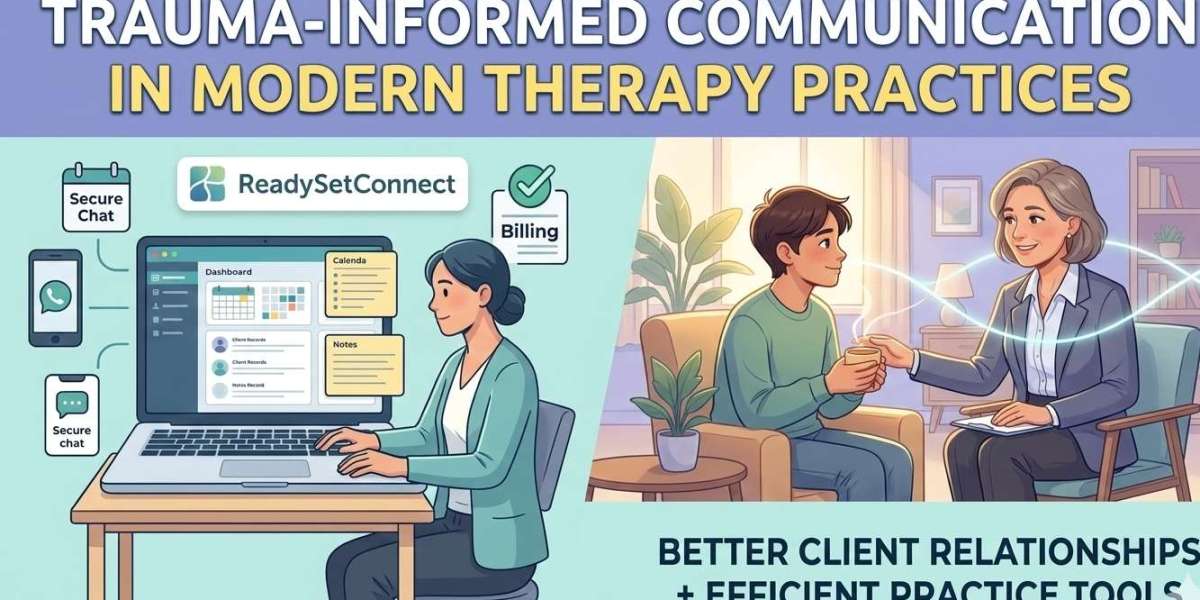

In recent years, mental health professionals and therapists have increasingly focused on trauma informed communication as a key part of effective client care. Many individuals seeking therapy have experienced different forms of trauma, and the way therapists communicate can significantly impact how safe, understood, and supported those clients feel.
Trauma-informed communication focuses on empathy, safety, respect, and trust. It encourages therapists to approach conversations carefully, avoid triggering language, and create an environment where clients feel comfortable expressing their emotions. When therapists integrate this communication style into their practice, they often see stronger therapeutic relationships and better outcomes for clients.
However, implementing trauma-informed approaches also requires therapists to manage their practice efficiently so they have the time and mental energy to focus on client care rather than administrative tasks.
What Is Trauma Informed Communication?
Trauma informed communication is an approach that recognizes the widespread impact of trauma and understands how it may affect a person's behavior, emotions, and reactions. Instead of asking “What is wrong with this client?” therapists shift their perspective to “What might this person have experienced?”
This approach is built around several core principles:
Safety: Creating an environment where clients feel physically and emotionally safe
Trust: Maintaining transparency and honesty in communication
Empowerment: Encouraging clients to take an active role in their therapy
Respect: Valuing each client’s unique experiences and perspectives
Collaboration: Working together with clients rather than directing them
When therapists apply these principles during sessions, clients are more likely to open up and participate in the healing process.
Why Communication Matters in Therapy
Communication is one of the most powerful tools therapists have. Words, tone, and body language can either strengthen the therapeutic relationship or unintentionally create barriers.
Clients who have experienced trauma may be highly sensitive to judgment, authority, or sudden changes in tone. Trauma-informed communication helps therapists remain mindful of these triggers and respond in ways that build trust.
Some examples of trauma-sensitive communication techniques include:
Using supportive and non-judgmental language
Allowing clients to set boundaries
Asking permission before discussing sensitive topics
Practicing active listening
Avoiding assumptions about a client's experiences
These practices make therapy sessions more comfortable and effective for many individuals.
Challenges Therapists Face in Maintaining Trauma-Informed Care
While many therapists understand the importance of trauma-informed care, maintaining it consistently can be challenging. Clinicians often face heavy workloads that include:
Documentation and therapy notes
Appointment scheduling
Insurance billing
Client communication
Telehealth session management
When administrative work consumes too much time, therapists may experience stress and fatigue, which can impact their ability to communicate with clients effectively.
This is where organized therapist practice management systems become extremely helpful.
The Role of Therapist Practice Management in Modern Clinics
Running a therapy clinic involves much more than conducting sessions. Therapists must also handle numerous operational responsibilities.
A good therapist practice management system helps therapists organize their daily work by providing tools such as:
Appointment scheduling
Secure client communication
Therapy documentation and notes
Teletherapy capabilities
Billing and administrative tracking
When these tasks are handled through a centralized system, therapists can reduce paperwork and focus more on client care.
Platforms like ReadySetConnect are designed specifically for therapy practices. They help clinicians manage teletherapy sessions, client records, and scheduling in one place, making it easier to maintain an organized workflow.
How Technology Supports Trauma-Informed Care
Many people assume that trauma-informed therapy is purely about clinical skills, but the structure of a therapist’s practice also plays an important role.
Technology can support trauma-informed care in several ways:
1. Better Session Preparation
Digital documentation systems allow therapists to quickly review client histories before sessions, helping them communicate more thoughtfully.
2. Reduced Administrative Stress
When therapists spend less time on paperwork, they have more emotional energy available for meaningful conversations with clients.
3. Secure Client Communication
Secure messaging platforms help therapists communicate with clients in a confidential and supportive way outside of sessions.
4. Consistent Record Keeping
Organized therapy notes help therapists track client progress and ensure continuity in trauma-sensitive treatment approaches.
These tools make it easier for therapists to maintain empathy and attentiveness during sessions.
Creating a Trauma-Sensitive Environment in Therapy Practices
Beyond communication techniques, therapists can also design their entire practice environment to support trauma-informed care.
Some helpful strategies include:
Creating calm and welcoming therapy spaces
Offering flexible scheduling options
Providing clear information about therapy processes
Allowing clients to make choices during sessions
Respecting cultural and personal differences
When clients feel respected and safe, they are more likely to engage fully in the therapeutic process.
Supporting Therapists to Prevent Burnout
Therapists who regularly work with trauma survivors may experience emotional fatigue if they do not have proper support systems in place.
Practice owners and clinicians should prioritize:
Healthy work schedules
Efficient administrative tools
Peer support or supervision
Professional development opportunities
Using structured therapist practice management platforms can significantly reduce workload stress. These tools streamline daily operations and help therapists maintain a balanced workflow.
When therapists are less overwhelmed by administrative responsibilities, they can stay more present, patient, and empathetic during therapy sessions.
The Future of Trauma-Informed Therapy Practices
The future of therapy is increasingly focused on client-centered care, digital tools, and accessible services. Teletherapy, digital documentation, and integrated communication systems are helping therapists provide consistent care while managing growing caseloads.
Combining trauma-informed communication with modern technology allows therapists to create supportive, efficient, and sustainable practices.
Tools like ReadySetConnect are helping many clinics manage scheduling, documentation, telehealth, and communication in one platform. This allows therapists to maintain high-quality care without becoming overwhelmed by operational tasks.
Conclusion
Effective therapy goes beyond treatment methods—it also depends heavily on how therapists communicate with their clients. By adopting trauma informed communication, therapists can create safe and supportive environments that promote healing and trust.
At the same time, organized therapist practice management systems help therapists manage the many responsibilities involved in running a practice. When administrative tasks are streamlined, therapists have more time and energy to focus on what matters most: supporting their clients’ recovery and well-being.
FAQs
1. What is trauma informed communication in therapy?
Trauma informed communication is a therapeutic approach that focuses on understanding how trauma affects individuals and using respectful, supportive communication to create a safe environment for healing.
2. Why is trauma-informed care important for therapists?
It helps therapists build trust with clients, avoid triggering language, and provide care that acknowledges the impact of past trauma on behavior and emotions.
3. What is therapist practice management software?
Therapist practice management software helps clinicians manage scheduling, documentation, billing, and client communication in one organized system.
4. How can practice management tools help therapists?
They reduce administrative workload, streamline documentation, and allow therapists to focus more on therapy sessions and client care.
5. Can technology support trauma-informed therapy?
Yes. Digital tools help therapists maintain organized records, manage communication securely, and reduce stress caused by administrative tasks.