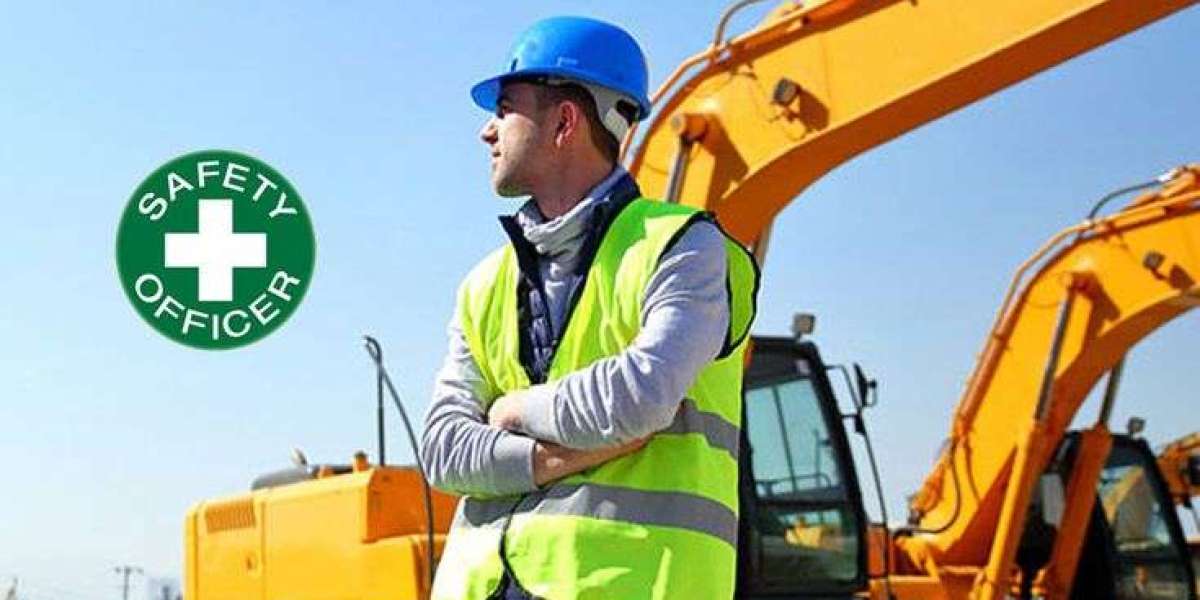

Imagine a worker operating heavy machinery after several nights of poor sleep due to stress. Their concentration slips for a moment, and a routine task suddenly becomes dangerous. Situations like this occur more often than many organizations realize, especially when mental health challenges remain unaddressed in the workplace.
Safety professionals increasingly recognize that mental well being directly influences workplace safety. Many safety leadership programs, including the OSHA Course, emphasize that psychological stress, fatigue, and emotional strain can contribute to unsafe acts and reduced hazard awareness. When organizations overlook these factors, accident risks can quietly increase.
Mental health does not exist separately from workplace safety. Stress, anxiety, burnout, and emotional fatigue can affect how workers think, react, and make decisions in hazardous environments.
This article explains how poor mental health management can increase workplace accidents and outlines practical strategies employers can use to protect both psychological well being and physical safety.
Understanding the Connection Between Mental Health and Workplace Safety
Mental health influences focus, decision making, reaction time, and situational awareness. In safety critical industries, these abilities are essential for identifying hazards and responding quickly to changing conditions.
When workers experience prolonged stress or emotional strain, their cognitive performance can decline. They may overlook warning signs, forget safety steps, or misjudge risks.
This connection means that psychological well being is not just a personal issue. It is also a workplace safety concern.
Organizations that support mental health create environments where employees remain alert, focused, and capable of performing tasks safely.
How Stress Impairs Hazard Recognition
Hazard recognition requires attention and mental clarity. Workers must constantly observe their surroundings, interpret signals, and anticipate potential dangers.
Stress can interfere with these processes. When the brain is preoccupied with worries or emotional pressure, it becomes harder to focus on external risks.
For example, a technician distracted by personal stress might miss a warning indicator on equipment. Similarly, a fatigued construction worker may overlook unstable surfaces or unsafe tools.
These small lapses can quickly lead to accidents in high risk environments.
2.1 Signs That Stress Is Affecting Workplace Awareness
Workers experiencing high levels of stress may show noticeable behavioral changes. These signs can indicate increased accident risk.
Common indicators include:
Difficulty concentrating on routine tasks
Slower reaction times when responding to hazards
Frequent mistakes during simple procedures
Increased irritability or frustration
Forgetting safety steps or instructions
Recognizing these warning signs allows supervisors to intervene early and provide support.
Fatigue and Sleep Deprivation as Safety Risks
Mental health challenges often contribute to fatigue and sleep disturbances. Workers experiencing anxiety or high stress may struggle to rest properly, leading to reduced energy levels during working hours.
Fatigue directly affects coordination, alertness, and judgment. In physically demanding jobs, these effects can be particularly dangerous.
For example, a fatigued forklift operator may misjudge distances or react slowly to obstacles. A tired construction worker might lose balance while working at heights.
Employers must understand that fatigue is not simply a personal issue. It is a workplace safety risk that requires proactive management.
Emotional Strain and Unsafe Decision Making
Emotional stress can influence how workers evaluate risks. When individuals feel overwhelmed or pressured, they may prioritize speed or task completion over safety.
This behavior can result in shortcuts, skipped safety procedures, or poor communication with coworkers.
For instance, a worker under intense pressure to meet deadlines may choose not to report a minor hazard. Over time, these small decisions can lead to serious incidents.
Supporting emotional well being helps workers remain calm and make safer decisions during challenging situations.
4.1 Situations Where Emotional Pressure Leads to Unsafe Actions
Several workplace conditions can increase emotional pressure and influence behavior.
These situations may include:
Tight project deadlines and productivity pressure
Fear of reporting mistakes or hazards
Lack of supervisor support during difficult tasks
Conflicts between coworkers or teams
Long working hours without adequate breaks
Addressing these conditions can reduce emotional strain and improve safety performance.
Workplace Culture and Psychological Safety
Workplace culture plays a major role in how employees manage stress and mental health challenges. A supportive environment encourages workers to speak openly about concerns without fear of judgment.
When employees feel psychologically safe, they are more likely to report hazards, ask questions, and seek assistance when needed.
In contrast, workplaces with poor communication or excessive pressure may discourage workers from sharing their concerns.
This silence can allow safety risks to remain hidden until accidents occur.
Organizations that value psychological safety strengthen both employee well being and accident prevention efforts.
The Role of Supervisors in Managing Workplace Stress
Supervisors often serve as the first line of support for employees experiencing workplace stress. Their leadership style can influence how workers respond to challenges and pressure.
Effective supervisors maintain open communication and pay attention to behavioral changes among team members.
They also ensure that workloads remain manageable and that workers receive proper rest and recovery time.
6.1 Practical Steps Supervisors Can Take
Supervisors can support mental health and workplace safety through several practical actions:
Encourage open conversations about stress or workload concerns
Monitor signs of fatigue or burnout among team members
Promote regular breaks during demanding tasks
Address workplace conflicts quickly and fairly
Reinforce the importance of following safety procedures
These actions help create a balanced work environment where employees remain focused and safe.
Integrating Mental Health into Safety Programs
Traditional safety programs often focus on physical hazards such as machinery, chemicals, or electrical risks. While these factors remain critical, psychological risks must also be considered.
Integrating mental health into safety programs allows organizations to address the full range of factors that influence accidents.
This approach includes evaluating workloads, shift schedules, and workplace communication systems.
When mental health becomes part of safety discussions, workers begin to recognize the connection between emotional well being and accident prevention.
Encouraging Workers to Seek Support
Employees may hesitate to discuss mental health challenges due to stigma or fear of negative consequences. Employers can reduce this hesitation by normalizing conversations about stress and well being.
Providing access to counseling services, wellness programs, or confidential support systems can help workers manage stress effectively.
Encouraging peer support also helps build stronger workplace relationships.
When workers know that help is available, they are more likely to address challenges before they affect safety.
The Importance of Safety Education and Professional Training
Education plays a key role in helping organizations understand how mental health influences workplace safety. Training programs often explore the human factors that contribute to accidents, including stress, fatigue, and communication breakdowns.
Safety leadership training helps supervisors recognize early warning signs and respond effectively to employee concerns.
Programs such as the OSHA Course introduce professionals to practical strategies for improving workplace safety culture and hazard awareness.
For individuals seeking structured safety education pathways, institutes that provide learning opportunities related to OSHA in Pakistan help professionals understand international safety principles and workplace risk management.
Through continuous learning, safety professionals can develop more comprehensive safety systems that address both physical and psychological risks.
Frequently Asked Questions
10.1 Can mental health really affect workplace accident rates?
Yes. Stress, fatigue, and emotional strain can reduce concentration and reaction time, increasing the likelihood of unsafe actions and accidents.
10.2 What are the most common mental health related safety risks?
Common risks include fatigue, distraction, poor decision making, and reduced hazard awareness.
10.3 How can employers support workers experiencing stress?
Employers can provide supportive supervision, manageable workloads, access to counseling services, and open communication channels.
10.4 Why is psychological safety important in the workplace?
Psychological safety encourages workers to report hazards, ask questions, and discuss concerns without fear, which helps prevent accidents.
10.5 Can safety training address mental health risks?
Yes. Many safety training programs include human factors and stress management topics to help supervisors identify risks and improve workplace conditions.
Conclusion
Workplace accidents rarely occur due to a single factor. In many cases, human factors such as stress, fatigue, and emotional strain contribute to unsafe conditions and poor decision making.
When mental health challenges are ignored, workers may struggle to concentrate, recognize hazards, or respond effectively during critical situations. These issues can increase accident risks even in well designed workplaces.
Employers who prioritize psychological well being alongside physical safety create stronger, more resilient organizations. Supportive leadership, open communication, and balanced workloads all contribute to safer work environments.
Safety education also plays an important role in strengthening awareness of human factors in accident prevention. By understanding how mental health influences workplace safety, organizations can take meaningful steps toward protecting both employees and operations.
A workplace that supports mental well being ultimately becomes a safer place for everyone.