
1. Identifying High-Risk Groups
High-risk groups include healthcare workers, people with multiple sexual partners, intravenous drug users, travelers to regions with high hepatitis prevalence, and individuals with a family history of hepatitis B.
2. Why Testing Is Crucial for High-Risk Individuals
For high-risk individuals, a Hepatitis B Test allows early detection of viral infection, supporting timely medical interventions and preventive strategies to protect liver health.
3. Recommended Testing Frequency
High-risk individuals may require more frequent testing than the general population. Annual or biannual hepatitis screening is often recommended depending on exposure risk.
4. Types of Hepatitis B Tests for High-Risk Groups
HBsAg Test – Detects current infection
Anti-HBs Test – Measures immunity
Anti-HBc Test – Shows past exposure or infection
5. Preparing for the Test
High-risk individuals should provide a detailed medical history, including previous hepatitis vaccinations, prior infections, and recent blood diagnostic tests to improve test accuracy.
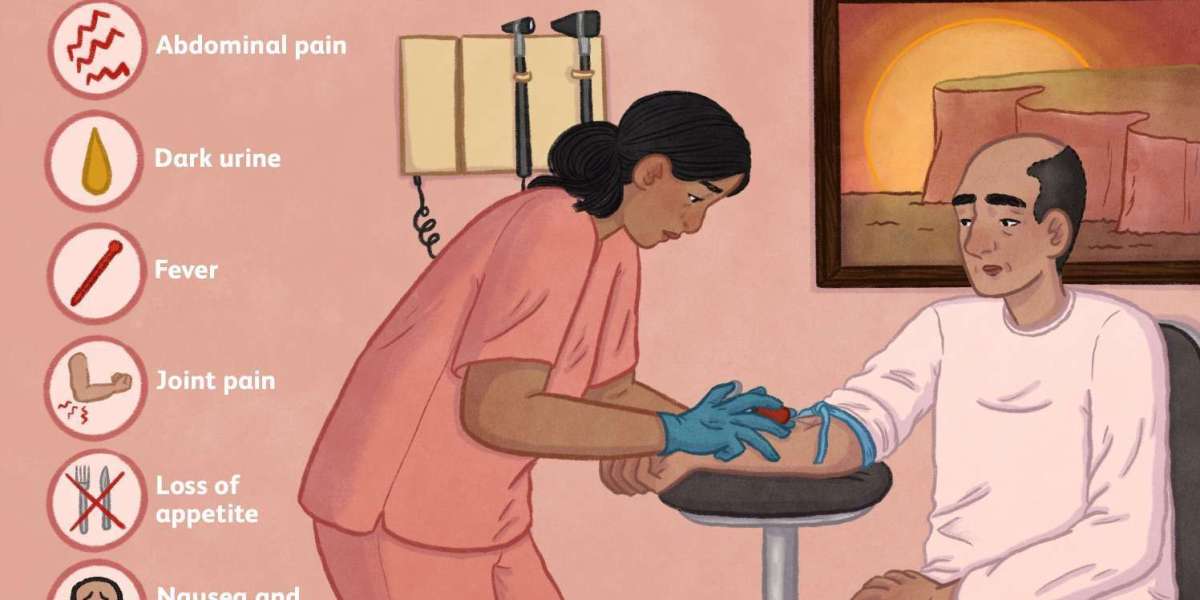
6. Blood Sample Collection and Laboratory Analysis
A small blood sample is collected and analyzed for viral markers. Certified laboratories follow strict protocols for diagnostic blood testing, viral hepatitis detection, and liver function assessment.
7. Understanding Results
Negative – No infection; vaccination may be recommended if immunity is absent
Positive – Active infection; requires follow-up care and liver monitoring
Immunity – Indicates prior vaccination or past infection
8. Follow-Up Care and Monitoring
High-risk individuals with positive results may need regular liver function tests, viral load monitoring, and additional blood diagnostic panels to prevent complications.
9. Preventive Measures for High-Risk Groups
Vaccination, safe practices (like using clean needles), and routine hepatitis screening help minimize the risk of infection and transmission.
10. Education and Awareness
Awareness about hepatitis B, risks, testing, and liver health helps high-risk individuals take preventive actions and seek timely medical advice.
11. Combining Testing With General Health Monitoring
High-risk individuals should integrate Hepatitis B Tests with regular liver enzyme tests, blood health panels, and other preventive screenings for overall wellness.
12. Final Thoughts
A Hepatitis B Test is essential for high-risk groups to prevent infection and protect liver health. Early detection, consistent monitoring, and preventive strategies ensure better long-term health outcomes.