
You tour a surface materials gallery. A sample installation seizes your attention. The design motif unfolds elegantly, color relationships satisfy, and surface quality invites examination. Then the procurement dilemma surfaces: do you order by the roll or by the carton?
This puzzle confronts countless residential renovation ventures. Most homeowners initiate with visual appeal. They're attracted to the sumptuous veining or prismatic brilliance that defines designer mosaic tiles. Yet the mounting technique ultimately determines whether your project proceeds smoothly or encounters obstacles.
Choosing between web-backed rolls and discrete pieces requires deeper consideration than comparing price tags. The decision echoes through your construction timeline, labor expenses, and the final appearance of your installation. Let's explore both approaches so you can proceed with confidence.
Understanding the Two Formats
Let's establish clear definitions. When shopping for mosaic tiles, suppliers typically stock two distinct presentations.
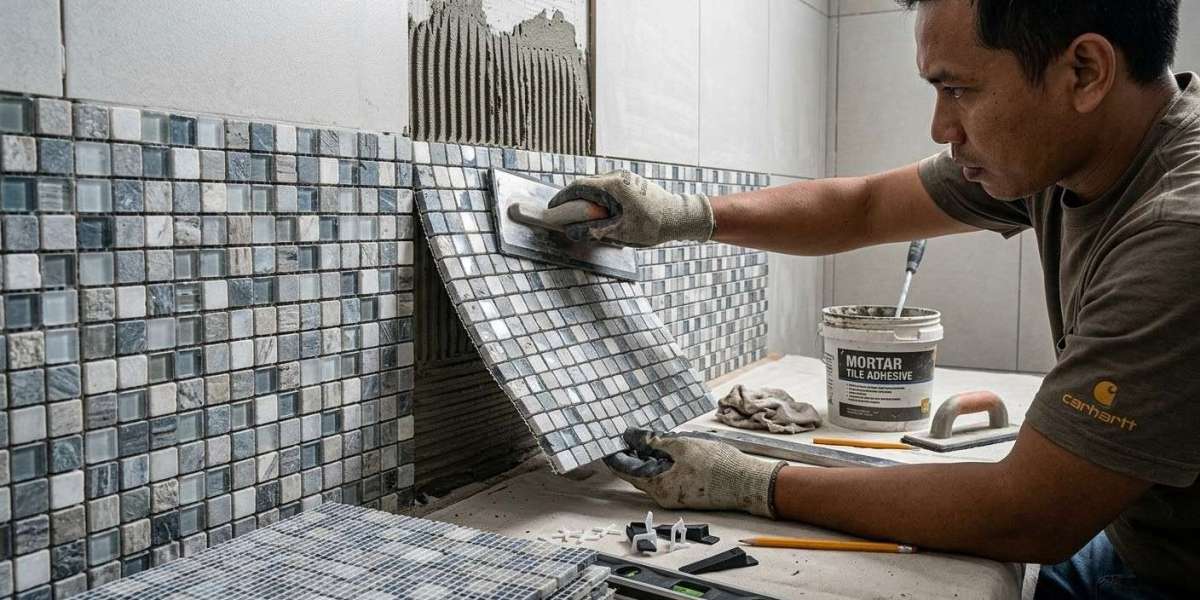
Web-backed products arrive adhered to flexible mesh or paper webbing. Each small tile is glued to this backing in a precise grid pattern. You unroll these sheets and apply them directly to your surface. Standard sizes are usually about one foot by one foot.
Discrete pieces come packaged as separate, individual units. Think of smooth river stones, glass gems, or single ceramic squares. Nothing holds them together before installation. You pick up each piece, spread adhesive, and place it one by one.
The finished look may be identical once the job is done. But the installation process is completely different. This fundamental difference drives almost every other choice you'll make.
Why Contractors Prefer Web-Backed Sheets
Experienced tilers usually recommend web-backed mosaic tiles for most jobs. Their reasoning is simple: speed and consistency.
Laying a sheet with pre-set spacing gives you an instant guide. The gaps between tiles are factory-perfect. For large floor areas or full bathroom walls, this uniformity is crucial. You don't have to worry about keeping the spacing even by eye.
Grouting goes faster too. Because the pattern is locked in place, you can cover more area per hour. This matters a lot if you're paying workers by the hour and watching your budget.
But there are trade-offs. Web-backed sheets work best on flat surfaces with straight edges. When you hit a window frame, a pipe, or a curved corner, you have to cut carefully. Cutting these sheets requires special tools like nippers or water jets.
Mistakes are expensive. If you break one tile, you might waste a whole sheet. And sometimes you can't reuse the leftover piece because the damaged backing won't hold adhesive properly. These work best for big, open areas like shower floors or main feature walls. For small accent spots, they might not be ideal.
The Freedom of Individual Pieces
Discrete mosaic tiles give you much more flexibility on the job. You're not tied to a fixed sheet size. This freedom is priceless in tight corners or irregular layouts, especially in older homes.
Picture a small kitchen backsplash behind the stove. You have outlets, cabinets, and maybe a gas line to work around. With individual pieces, you can cut around these obstacles easily. You don't have to force a rectangular sheet around a round pipe. You just build the gap as you go.
There's also less waste if you run short halfway through. If a sheet doesn't line up right because the wall isn't perfectly flat, you might end up with ugly gaps at the edges. Discrete mosaic tiles let you adjust the pattern to hide these problems. You can shift things around to cover imperfections in the wall behind.
The downside is time. Placing tiles one by one takes patience. A skilled worker can move quickly, but it's still slower than rolling out a pre-made sheet. This added time means higher labor costs compared to using web-backed options.
You also have to watch the spacing constantly. If the installer gets sloppy, the joints will look messy. The grout lines become the main thing you notice in the finished wall. So you need to spend extra time checking alignment as you work.
Dealing with Tropical Humidity
Since we're talking about building in tropical climates, weather matters. Humidity stays high most of the year. This affects how well the adhesive holds up over time.
Mosaic tiles need good drainage, especially in wet areas like showers. Individual pebbles let water flow through more naturally than dense sheets. Water doesn't get trapped behind a solid web backing the same way. In tropical climates, keeping moisture from getting stuck behind the tiles is key to long-term durability.
Both types work fine indoors. The important thing is using the right adhesive for your specific product. Regular cement mortar might not be strong enough for heavy glass mosaic tiles or slippery metal finishes. Always check what the manufacturer recommends before you start.
Where to Source Your Materials
You can't execute a plan without reliable access to products. This brings us to supply chains.
Many people try to order fancy designs online for convenience. But shipping fragile mosaic tiles is risky. Packages often show up broken, with chipped corners. Returns are expensive and slow.
Visiting a physical store is a better bet. A good tile shop in Singapore lets you check the quality with your own hands. You can feel the surface texture. You can spot color differences between batches from the factory. Glass tiles sometimes have tiny chips on the back that photos won't show.
Local shops also stock the right spacers and tools for web-backed options. They know which adhesives work best in our humid local conditions. Plus, you save on shipping costs entirely.
When you talk to staff at a tile shop in Singapore, ask about what kind of webbing the sheets use. Some papers dissolve after grouting; others need to be peeled off by hand before cleaning. Knowing this ahead of time saves headaches later.
Making Your Decision
So which should you pick for your home? Here's the practical advice.
Go with web-backed when:
- The area is large and open without many cuts.
- You need a consistent pattern laid quickly.
- You're hiring pros who value speed.
- The layout is mostly straight lines.
Go with discrete when:
- The area is small or has an odd shape.
- You have lots of obstacles like pipes or sockets.
- You want a custom, hand-laid look.
- Flexibility matters more than speed.
Don't forget to think about total cost. Web-backed tiles often cost more per piece because of the manufacturing. But discrete tiles usually cost more per day because of the extra labor time. Figure out the whole project cost, not just the price tag on the box.
Final Considerations
Both types do the same job: making your walls beautiful and durable. Neither is automatically better. It all depends on your specific situation and timeline.
If you rush a job with individual pieces, it will show. If you ignore measurements with web-backed sheets, you'll have gaps you can't hide once the adhesive dries. Talk to your installer early. Show them samples. Tell them exactly what you're buying.
Take your time. Visit a tile shop in Singapore to see the collection in person. Look at the mosaic tiles under natural light. Colors look different under different bulbs and shadows, and that affects how your room will feel.
Renovations are stressful enough. Don't let tile selection add to the pressure. Understand the pros and cons clearly. Pick the style that fits your space and your contractor's workflow. Once you decide, the rest is just about putting them down. And that's manageable.