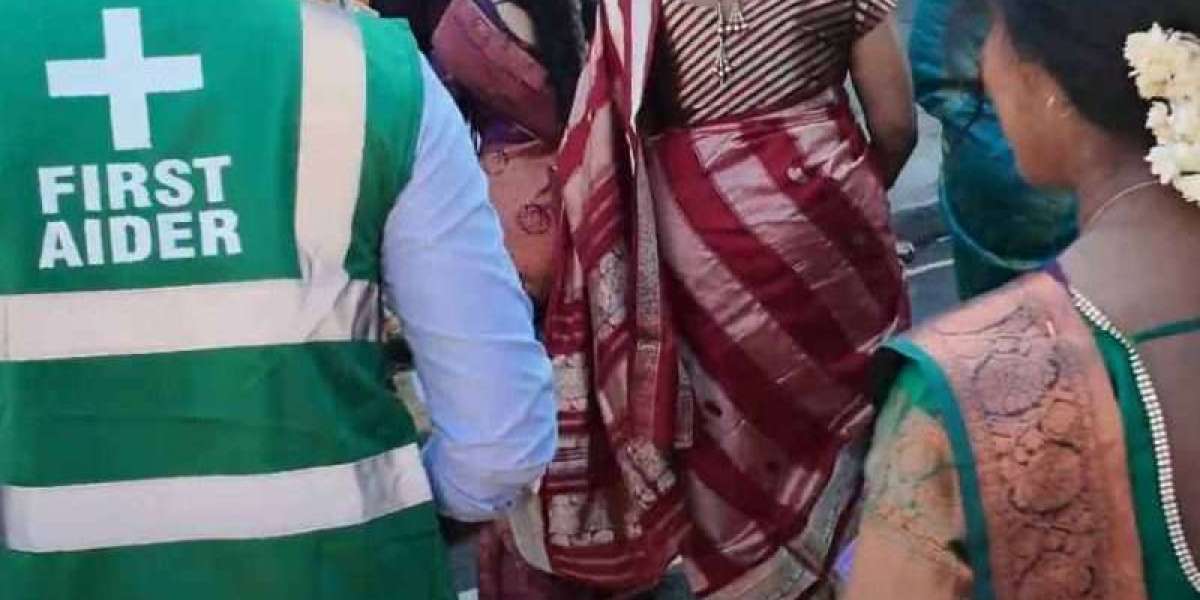

First aid is an essential skill that can make the difference between life and death in critical situations. Emergencies can occur anywhere, whether at home, in the workplace, at school, or in public spaces. Knowing how to respond quickly can prevent injuries from worsening, save lives, and provide reassurance to those affected. Immediate intervention can stabilize a person’s condition, reduce recovery time, and, in some cases, prevent permanent disability. First aid empowers individuals to take control in emergencies before professional medical help arrives.
Life-Saving Skills Everyone Should Know
Understanding basic first aid procedures equips people with the confidence to act decisively in situations such as cardiac arrest, choking, severe bleeding, burns, or fractures. Performing CPR (cardiopulmonary resuscitation) can maintain blood flow and oxygen to vital organs until medical professionals take over. Similarly, applying pressure to a bleeding wound, immobilizing a broken limb, or assisting someone experiencing a seizure can prevent further harm. This knowledge is invaluable not only for immediate response but also for improving community safety.
Reducing Panic Through Training
First aid training helps reduce panic and anxiety that often accompany emergencies. In critical situations, stress and fear can prevent individuals from thinking clearly. Training equips people with skills and muscle memory to respond calmly and systematically. Whether a coworker faints in an office, a child chokes at school, or a passerby is involved in a road accident, trained individuals can assess the situation quickly, provide necessary care, and coordinate efficiently with emergency services.
Strengthening Community Safety
First aid preparedness strengthens communities as a whole. Communities with higher rates of first aid training experience faster responses during accidents or medical emergencies. In public spaces such as shopping centers, parks, or sports arenas, bystanders trained in first aid can provide crucial support while waiting for paramedics. Immediate response is particularly important in situations where every second counts, such as heart attacks, severe allergic reactions, or drowning incidents. Prompt first aid improves survival rates and reduces injury severity.
Comprehensive First Aid Training
Modern first aid training covers a broad range of emergency scenarios, including common and less frequent incidents. Participants learn not only how to treat injuries and medical conditions but also how to prevent accidents. Understanding proper lifting techniques, handling burns safely, or recognizing early signs of stroke or heart attack are part of comprehensive education. These preventative measures reduce the likelihood of emergencies and ensure individuals are prepared when they occur.
Teaching First Aid to Children and Teens
First aid is not limited to adults; children and teenagers can also benefit. School-based programs teach students how to assist peers and family members, instilling responsibility and awareness from a young age. Educating children on treating cuts, burns, or nosebleeds empowers them to act appropriately and reduces fear during stressful situations. Encouraging young people to learn first aid creates a culture of preparedness and safety that extends into adulthood.
First Aid in the Workplace
In workplaces, first aid is a critical part of health and safety protocols. Employers are often legally obligated to provide trained personnel and first aid equipment for employees. This ensures accidents, injuries, or sudden medical events at work are addressed immediately, reducing the risk of complications and liability. Industries such as construction, manufacturing, and healthcare benefit greatly, as timely first aid prevents minor incidents from becoming severe or life-threatening.
Technology and Modern Resources
Technology has enhanced the accessibility of first aid knowledge. Online courses, instructional videos, and mobile apps provide step-by-step guidance, making it easier for individuals to learn and refresh skills. Blended learning options combine online theory with hands-on practice, ensuring participants gain both knowledge and practical experience. Greater accessibility ensures more people are equipped to act in emergencies, increasing overall safety in society.
Empowerment Through First Aid
Ultimately, first aid is about empowerment. It equips individuals with knowledge, skills, and confidence to act decisively in emergencies. Quick and informed action can prevent injuries from worsening, stabilize medical conditions, and save lives. From minor cuts and burns to major incidents such as cardiac arrests or severe trauma, the presence of someone trained in first aid can make an enormous difference. Promoting first aid education and awareness creates safer, more resilient communities.
Conclusion: First Aid Saves Lives
First aid is a responsibility and skill that everyone should possess. The ability to respond effectively in critical situations is not limited to medical professionals; ordinary individuals can make extraordinary differences with timely intervention. In moments of crisis, every second counts, and first aid ensures immediate care is given, bridging the gap until professional help arrives. Its importance extends beyond individual cases, contributing to the overall health, safety, and well-being of society.